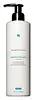
This mild cream cleanser is made to cleanse without leaving your skin tight or dry.
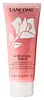
This smoothing exfoliator is formulated around Sucrose and Salicylic Acid to refine skin texture and brighten dull-looking skin.


What's inside
What's inside
 Key Ingredients
Benefits
Concerns
Ingredients Side-by-side
Water
Skin ConditioningC12-15 Alkyl Benzoate
AntimicrobialGlycerin
Humectant


Propanediol
Solvent
Cetyl Alcohol
Emollient



Methyl Gluceth-20
Humectant
Neopentyl Glycol Dicaprate
EmollientPEG-100 Stearate
Surfactant
Glyceryl Stearate
Emollient
Polyglyceryl-4 Caprate
EmulsifyingPhenoxyethanol
Preservative
Citrus Aurantium Dulcis Oil
Masking
Citrus Aurantium Dulcis Peel Oil
Masking
Limonene
Perfuming


Acrylates/C10-30 Alkyl Acrylate Crosspolymer
Emulsion StabilisingCapryl/Capramidopropyl Betaine
CleansingCaprylyl Glycol
Emollient
Polysorbate 20
Emulsifying
Allantoin
Skin Conditioning

Sodium Hydroxide
BufferingPentaerythrityl Tetra-Di-T-Butyl Hydroxyhydrocinnamate
Antioxidant
Disodium EDTA
Polyquaternium-39
Sodium Chloride
MaskingPEG-30 Dipolyhydroxystearate
Emulsifying
Trideceth-6
EmulsifyingGlycolic Acid
Buffering








Sodium Benzoate
Masking
Water, C12-15 Alkyl Benzoate, Glycerin, Propanediol, Cetyl Alcohol, Methyl Gluceth-20, Neopentyl Glycol Dicaprate, PEG-100 Stearate, Glyceryl Stearate, Polyglyceryl-4 Caprate, Phenoxyethanol, Citrus Aurantium Dulcis Oil, Citrus Aurantium Dulcis Peel Oil, Limonene, Acrylates/C10-30 Alkyl Acrylate Crosspolymer, Capryl/Capramidopropyl Betaine, Caprylyl Glycol, Polysorbate 20, Allantoin, Sodium Hydroxide, Pentaerythrityl Tetra-Di-T-Butyl Hydroxyhydrocinnamate, Disodium EDTA, Polyquaternium-39, Sodium Chloride, PEG-30 Dipolyhydroxystearate, Trideceth-6, Glycolic Acid, Sodium Benzoate
Glycerin
Humectant
Propylene Glycol
Humectant
Sucrose
Humectant
Honey
Humectant
CI 14700
Cosmetic ColorantCI 17200
Cosmetic ColorantSodium Hyaluronate
Humectant
Argania Spinosa Shell Powder
Abrasive
PEG-30 Dipolyhydroxystearate
Emulsifying
Arginine
Masking
Triethanolamine
BufferingTrideceth-6
EmulsifyingSalicylic Acid
Masking

Panthenol
Skin Conditioning
Propanediol
Solvent
Acrylates/C10-30 Alkyl Acrylate Crosspolymer
Emulsion StabilisingRosa Damascena Flower Water
Masking
Citric Acid
Buffering
Prunus Amygdalus Dulcis Oil
Skin Conditioning
Parfum
Masking
Glycerin, Propylene Glycol, Sucrose, Honey, CI 14700, CI 17200, Sodium Hyaluronate, Argania Spinosa Shell Powder, PEG-30 Dipolyhydroxystearate, Arginine, Triethanolamine, Trideceth-6, Salicylic Acid, Panthenol, Propanediol, Acrylates/C10-30 Alkyl Acrylate Crosspolymer, Rosa Damascena Flower Water, Citric Acid, Prunus Amygdalus Dulcis Oil, Parfum
Reviews
Ingredients Explained
These ingredients are found in both products.
Ingredients higher up in an ingredient list are typically present in a larger amount.
Acrylates/C10-30 Alkyl Acrylate Crosspolymer is a synthetic polymer. It is used to thicken, emulsify, and improve the texture of products.
As an emulsifier, it helps stabilize oil-in-water emulsions to give products an elegant feel when applied.
It can also form a thin protective film on skin. One study found that a formula using this polymer helped slow down how quickly other ingredients (like DEET) were absorbed through skin.
A 2024 study of over 1,300 patients confirmed that sensitization to this ingredient is rare. It is also non-mutagenic and has a clean track record.
Learn more about Acrylates/C10-30 Alkyl Acrylate CrosspolymerGlycerin (or glycerol) is a compound naturally found in your skin. It's a powerhouse humectant that pulls water into the stratum corneum.
Topically, glycerin does several things at once:
Your skin makes glycerin on its own (mostly from sebaceous oil breakdown) and shuttles it to your outermost layer of skin, or your epidermis, via aquaporin-3.
Aquaporin-3 is a transporter that is essential for normal skin hydration, elasticity, and repair. Interestingly, mice lacking in AQP3 have dry and less elastic skin that can be fully corrected with glycerin.
This ingredient is non-irritating, plays well with almost every ingredient, and works across all skin types. Typical use is anywhere between 3-10% but can go up to 79% in some leave-on products.
Just know very high concentrations (>40%) can feel tacky in low humidity.
Glycerin is the name for this ingredient in American English. British English uses Glycerol/Glycerine.
Learn more about GlycerinThis ingredient is an emulsifier that keeps the oily and watery parts of a formula blended together. Its real party trick is making thin, flowable, and very stable emulsions.
Typical use sits around 2-4% (a bit higher for sunscreens and foundations).
The Cosmetic Ingredient Review Expert Panel has concluded this ingredient to be safe in cosmetics and noted the large molecules aren't likely to be absorbed into skin.
Because it carries a fatty-acid ester component (stearic acid), it may not be fungal acne safe.
Learn more about PEG-30 DipolyhydroxystearatePropanediol is an all-star ingredient. It softens, hydrates, and smooths the skin.
It’s often used to:
Propanediol is not likely to cause sensitivity and considered safe to use. It is derived from corn or petroleum with a clear color and no scent.
Learn more about PropanediolWe don't have a description for Trideceth-6 yet.


