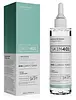
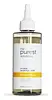
Skin401 Salicylic Acid BHA Clarify Toner Versus The Purest Solutions Oil Control Toner 2% BHA Salicylic Acid Toner
This acne toner is formulated around Niacinamide and Salicylic Acid to clear breakouts and balance excess oil.
This oil-control treatment is formulated around Salicylic Acid and Glycolic Acid to balance excess oil and clear breakouts.

What's inside
What's inside
 Key Ingredients
Benefits
Concerns
Ingredients Side-by-side
Water
Skin ConditioningNiacinamide
Smoothing











PPG-26-Buteth-26
Skin ConditioningGlycerin
Humectant
Salicylic Acid
Masking





Aloe Barbadensis Leaf Juice
Skin Conditioning
Panthenol
Skin Conditioning
Melaleuca Alternifolia Leaf Extract
Perfuming
Arctium Lappa Root Extract
Skin Conditioning
Lavandula Angustifolia Flower Extract
Cleansing
Achillea Millefolium Extract
CleansingArnica Montana Flower Extract
Masking
Nasturtium Officinale Flower/Leaf Extract
AntiseborrhoeicJuniperus Communis Fruit Extract
Perfuming
Benzyl Alcohol
Perfuming

Sodium Benzoate
Masking
Citric Acid
Buffering
Potassium Sorbate
Preservative
Propylene Glycol
Humectant
PEG-40 Hydrogenated Castor Oil
Emulsifying

Benzoic Acid
Masking
Phenoxyethanol
Preservative
Dehydroacetic Acid
Preservative
Tetrasodium EDTA
Ethylhexylglycerin
Skin ConditioningWater, Niacinamide, PPG-26-Buteth-26, Glycerin, Salicylic Acid, Aloe Barbadensis Leaf Juice, Panthenol, Melaleuca Alternifolia Leaf Extract, Arctium Lappa Root Extract, Lavandula Angustifolia Flower Extract, Achillea Millefolium Extract, Arnica Montana Flower Extract, Nasturtium Officinale Flower/Leaf Extract, Juniperus Communis Fruit Extract, Benzyl Alcohol, Sodium Benzoate, Citric Acid, Potassium Sorbate, Propylene Glycol, PEG-40 Hydrogenated Castor Oil, Benzoic Acid, Phenoxyethanol, Dehydroacetic Acid, Tetrasodium EDTA, Ethylhexylglycerin
Water
Skin ConditioningPentylene Glycol
Skin Conditioning
Ethoxydiglycol
HumectantSalicylic Acid
Masking
Glycolic Acid
Buffering
Lactic Acid
Buffering
Citric Acid
Buffering
Tartaric Acid
Buffering
Malic Acid
Buffering
Pyrus Malus Fruit Extract
Skin Conditioning
Vitis Vinifera Leaf Extract
Skin ConditioningCitrus Medica Limonum Fruit Extract
Skin ConditioningVaccinium Myrtillus Fruit/Leaf Extract
AstringentSaccharum Officinarum Extract
MoisturisingPropylene Glycol
Humectant
Phenethyl Alcohol
Masking1,2-Hexanediol
Skin Conditioning
Tasmannia Lanceolata Fruit/Leaf Extract
Antioxidant
Centella Asiatica Extract
Cleansing
Inulin
Skin Conditioning
Fructose
Humectant
Sodium Hyaluronate Crosspolymer
Humectant
Sodium Hyaluronate
Humectant
Sodium Acetylated Hyaluronate
Humectant
Hydrolyzed Sodium Hyaluronate
Skin Conditioning
Panthenol
Skin Conditioning
Niacinamide
Smoothing
Zinc PCA
Humectant
Anthemis Nobilis Flower Extract
Masking
Aloe Barbadensis Leaf Juice
Skin Conditioning
Curcuma Longa Root Extract
Antioxidant
Water, Pentylene Glycol, Ethoxydiglycol, Salicylic Acid, Glycolic Acid, Lactic Acid, Citric Acid, Tartaric Acid, Malic Acid, Pyrus Malus Fruit Extract, Vitis Vinifera Leaf Extract, Citrus Medica Limonum Fruit Extract, Vaccinium Myrtillus Fruit/Leaf Extract, Saccharum Officinarum Extract, Propylene Glycol, Phenethyl Alcohol, 1,2-Hexanediol, Tasmannia Lanceolata Fruit/Leaf Extract, Centella Asiatica Extract, Inulin, Fructose, Sodium Hyaluronate Crosspolymer, Sodium Hyaluronate, Sodium Acetylated Hyaluronate, Hydrolyzed Sodium Hyaluronate, Panthenol, Niacinamide, Zinc PCA, Anthemis Nobilis Flower Extract, Aloe Barbadensis Leaf Juice, Curcuma Longa Root Extract
Reviews
Ingredients Explained
These ingredients are found in both products.
Ingredients higher up in an ingredient list are typically present in a larger amount.
Aloe Barbadensis Leaf Juice is the filtered, stabilized liquid pressed from the inner gel of the aloe vera leaf.
In cosmetics, it shows up as either soothing active or a water-replacement base. It is roughly 98-99% water and the last 1-2% is an interesting mix of polysaccharides, amino acids, vitamins, minerals, and enzymes.
The polysaccharides do most of the work: they bind water at the skin surface for a light, non-greasy hydration boost. And one of the polysaccharides, glycomannan, is linked to fibroblast stimulation + collagen synthesis. This is also why aloe has such a long track record in wound and burn healing.
This ingredient is also calming with anti-inflammatory and mild antimicrobial activity, making it a great pick for sensitive, irritated, or post-sun skin.
Realistic expectations matter though; the solid evidence is mostly limited to hydration, soothing, and wound support. Deeper claims about anti-aging or sun protection are not well backed, and science reviews note it does not prevent radiation-induced skin injury.
Because it plays well with almost everything, it's commonly used as a base alongside other actives like niacinamide or vitamin C.
Typical usage concentrations range from 0.5% (where hydration benefits already show up) all the way to 90%+ (where it replaces water as the main base).
The safety for this ingredient is well-establish as well. Overall, this is a great supporting ingredient for those who want a boost in hydration.
Learn more about Aloe Barbadensis Leaf JuiceCitric Acid is an alpha hydroxy acid (AHA) naturally found in citrus fruits like oranges, lemons, and limes.
Like other AHAs, citric acid can exfoliate skin by breaking down the bonds that hold dead skin cells together. This helps reveal smoother and brighter skin underneath.
However, this exfoliating effect only happens at high concentrations (20%) which can be hard to find in cosmetic products.
Due to this, citric acid is usually included in small amounts as a pH adjuster. This helps keep products slightly more acidic and compatible with skin's natural pH.
In skincare formulas, citric acid can:
While it can provide some skin benefits, research shows lactic acid and glycolic acid are generally more effective and less irritating exfoliants.
Most citric acid used in skincare today is made by fermenting sugars (usually from molasses). This synthetic version is identical to the natural citrus form but easier to stabilize and use in formulations.
Rosacea skin has a lower threshold for acids generally, with 62.5% of rosacea subjects in one study reacting to lactic acid in a sting test. This is why we mark citric acid as a potential rosacea trigger.
However, this ingredient shows up as a pH adjuster or chelator at roughly 0.1-1% in many products. These low levels are unlikely to be an issue for rosacea skin and becomes a potential trigger at exfoliating concentrations (20%). Because everybody's skin is unique, we recommend a patch test if you are unsure.
Learn more about Citric AcidNiacinamide is a multitasking form of vitamin B3 that strengthens the skin barrier, reduces pores and dark spots, regulates oil, and improves signs of aging.
And the best part? It's gentle and well-tolerated by most skin types, including sensitive and reactive skin.
You might have heard of "niacin flush", or the reddening of skin that causes itchiness. Niacinamide has not been found to cause this.
In very rare cases, some individuals may not be able to tolerate niacinamide at all or experience an allergic reaction to it.
If you are experiencing flaking, irritation, and dryness with this ingredient, be sure to double check all your products as this ingredient can be found in all categories of skincare.
When incorporating niacinamide into your routine, look out for concentration amounts. Typically, 5% niacinamide provides benefits such as fading dark spots. However, if you have sensitive skin, it is better to begin with a smaller concentration.
When you apply niacinamide to your skin, your body converts it into nicotinamide adenine dinucleotide (NAD). NAD is an essential coenzyme that is already found in your cells as "fuel" and powers countless biological processes.
In your skin, NAD helps repair cell damage, produce new healthy cells, support collagen production, strengthen the skin barrier, and fight environmental stressors (like UV and pollution).
Our natural NAD levels start to decline with age, leading to slower skin repair, visible aging, and a weaker skin barrier. By providing your skin niacinamide, you're recharging your skin's NAD levels. This leads to stronger, healthier, and younger looking skin.
Another name for vitamin B3 is nicotinamide. This vitamin is water-soluble and our bodies don't store it. We obtain Vitamin B3 from either food or skincare. Meat, fish, wheat, yeast, and leafy greens contain vitamin B3.
The type of niacinamide used in skincare is synthetically created.
Learn more about NiacinamidePanthenol is a common ingredient that helps hydrate and soothe the skin. It is found naturally in our skin and hair.
There are two forms of panthenol: D and L.
D-panthenol is also known as dexpanthenol. Most cosmetics use dexpanthenol or a mixture of D and L-panthenol.
Panthenol is famous due to its ability to go deeper into the skin's layers. Using this ingredient has numerous pros (and no cons):
Like hyaluronic acid, panthenol is a humectant. Humectants are able to bind and hold large amounts of water to keep skin hydrated.
This ingredient works well for wound healing. It works by increasing tissue in the wound and helps close open wounds.
Once oxidized, panthenol converts to pantothenic acid. Panthothenic acid is found in all living cells.
This ingredient is also referred to as pro-vitamin B5.
Learn more about PanthenolPropylene Glycol is a synthetic, colorless, odorless liquid that has been a staple in cosmetics for decades. It is a skin conditioning agent, humectant, and solvent.
As a humectant, it draw water to the skin to reduce flaking and restore suppleness. It's also a solvent that helps dissolve other actives and keeps formulas stable across temperature changes.
The CIR Expert Panel has confirmed this ingredient to be nontoxic and clinical studies show no sensitization at cosmetic use concentrations.
True allergic reactions are quite rare: a 15-year retrospective study of 6,751 patients found only 0.31% had a positive reaction (and less than half were considered clinically relevant).
It seemed that when sensitization does occur, it's most commonly linked to topical medication (like corticosteroids) and not cosmetics. Allergic contact dermatitis also appears largely limited to individuals with underlying skin conditions.
Overall, propylene glycol is a well-studied ingredient that most people can tolerate without issue.
Learn more about Propylene GlycolSalicylic Acid (also known as beta hydroxy acid or BHA) is a well-known ingredient for treating skin that struggles with acne and clogged pores. It exfoliates both the skin's surface and deep within the pores to help clear out buildup, control oil, and reduce inflammation.
Unlike AHAs (alpha hydroxy acids), salicylic acid is oil-soluble. This allows it to penetrate into pores which makes it especially effective for treating blackheads and preventing future breakouts.
Salicylic acid is also known for its soothing properties. It has a similar structure to aspirin and can calm inflamed or irritated skin, making it a good option for acne-prone skin that is also sensitive.
Concentrations of 0.5-2% are recognized by the U.S. FDA as an over-the-counter topical acne product.
It can cause irritation and/or dryness if one's skin already has a compromised moisture barrier, so it's best to focus on repairing that before introducing this ingredient into your routine.
While salicylic acid does not increase sun sensitivity, it’s still important to wear sunscreen daily to protect your skin.
If you are looking for the ingredient called BHA or Butylated Hydroxyanisole, click here.
Learn more about Salicylic AcidWater. It's the most common cosmetic ingredient of all. You'll usually see it at the top of ingredient lists, meaning that it makes up the largest part of the product.
So why is it so popular? Water most often acts as a solvent - this means that it helps dissolve other ingredients into the formulation.
You'll also recognize water as that liquid we all need to stay alive. If you see this, drink a glass of water. Remember to stay hydrated!
Learn more about Water

