
What's inside
What's inside
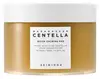 Key Ingredients
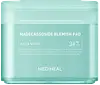
Benefits
Concerns
Ingredients Side-by-side

Water
Skin ConditioningDipropylene Glycol
HumectantGlycereth-26
Humectant
Niacinamide
Smoothing











Glycerin
Humectant
1,2-Hexanediol
Skin Conditioning
Diphenyl Dimethicone
Emollient
Triethylhexanoin
MaskingHydroxyacetophenone
Antioxidant
Hydrogenated Lecithin
Emulsifying
Polyglyceryl-10 Oleate
Skin Conditioning
Centella Asiatica Extract
Cleansing
Dipotassium Glycyrrhizate
Humectant
Sodium Citrate
BufferingAllantoin
Skin Conditioning
Octyldodeceth-16
EmulsifyingCitric Acid
Buffering

Disodium EDTA
Polyglyceryl-10 Laurate
Skin Conditioning
Juniperus Virginiana Oil
Masking



Butylene Glycol
Humectant
Artemisia Vulgaris Oil
Perfuming
Pogostemon Cablin Leaf Oil
Masking
Madecassoside
Antioxidant
Rosmarinus Officinalis Leaf Oil
Masking
Viola Odorata Leaf Extract
MaskingCentella Asiatica Root Extract
Skin Conditioning
Centella Asiatica Leaf Extract
Skin Conditioning
Saccharomyces Ferment
Skin Conditioning
Mangifera Indica Fruit Extract
Skin ConditioningLactobacillus Ferment
Skin Conditioning
Asiaticoside
Antioxidant
Madecassic Acid
Skin Conditioning
Asiatic Acid
Skin Conditioning
Water, Dipropylene Glycol, Glycereth-26, Niacinamide, Glycerin, 1,2-Hexanediol, Diphenyl Dimethicone, Triethylhexanoin, Hydroxyacetophenone, Hydrogenated Lecithin, Polyglyceryl-10 Oleate, Centella Asiatica Extract, Dipotassium Glycyrrhizate, Sodium Citrate, Allantoin, Octyldodeceth-16, Citric Acid, Disodium EDTA, Polyglyceryl-10 Laurate, Juniperus Virginiana Oil, Butylene Glycol, Artemisia Vulgaris Oil, Pogostemon Cablin Leaf Oil, Madecassoside, Rosmarinus Officinalis Leaf Oil, Viola Odorata Leaf Extract, Centella Asiatica Root Extract, Centella Asiatica Leaf Extract, Saccharomyces Ferment, Mangifera Indica Fruit Extract, Lactobacillus Ferment, Asiaticoside, Madecassic Acid, Asiatic Acid
Reviews
Ingredients Explained
These ingredients are found in both products.
Ingredients higher up in an ingredient list are typically present in a larger amount.
1,2-Hexanediol is a synthetic liquid and another multi-functional powerhouse.
It is a:
- Humectant, drawing moisture into the skin
- Emollient, helping to soften skin
- Solvent, dispersing and stabilizing formulas
- Preservative booster, enhancing the antimicrobial activity of other preservatives
Butylene Glycol (or BG) is used within cosmetic products for a few different reasons:
Overall, Butylene Glycol is a safe and well-rounded ingredient that works well with other ingredients.
Though this ingredient works well with most skin types, some people with sensitive skin may experience a reaction such as allergic rashes, closed comedones, or itchiness.
Learn more about Butylene GlycolCentella Asiatica Extract (Centella) is derived from an herb native to Southeast Asia. It is famous for its anti-inflammatory and soothing properties.
Centella is rich in antioxidants and amino acids, such as Madecassic Acid and Asiaticoside.
Studies show the compounds in centella help with:
The combination of all these properties makes centella effective at soothing, hydrating, and protecting the skin.
Other great components of centella include Vitamin A, vitamin C, several B vitamins, and Asiatic Acid.
Fun fact: Centella has been used as a medicine and in food for many centuries. As a medicine, it is used to treat burns, scratches, and wounds.
Learn more about Centella Asiatica ExtractCitric Acid is an alpha hydroxy acid (AHA) naturally found in citrus fruits like oranges, lemons, and limes.
Like other AHAs, citric acid can exfoliate skin by breaking down the bonds that hold dead skin cells together. This helps reveal smoother and brighter skin underneath.
However, this exfoliating effect only happens at high concentrations (20%) which can be hard to find in cosmetic products.
Due to this, citric acid is usually included in small amounts as a pH adjuster. This helps keep products slightly more acidic and compatible with skin's natural pH.
In skincare formulas, citric acid can:
While it can provide some skin benefits, research shows lactic acid and glycolic acid are generally more effective and less irritating exfoliants.
Most citric acid used in skincare today is made by fermenting sugars (usually from molasses). This synthetic version is identical to the natural citrus form but easier to stabilize and use in formulations.
Read more about some other popular AHA's here:
Learn more about Citric AcidDisodium EDTA is a chelating agent. It grabs onto and deactivates metal ions that sneak into your products from water, packaging, or air.
This ingredient mainly works behind the scenes and helps with:
On top of that, this ingredient can counteract the effects of hard water by binding to the minerals in it.
One thing worth knowing is that Disodium EDTA has been shown to be a mild penetration enhancer. It can help other ingredients absorb into skin more effectively which can be a double-edged sword (great for actives, but can also make the active too strong if you have sensitive skin).
Clinical patch testing showed no significant skin irritation at typical use concentrations and minimal dermal absorption.
You'll most likely see this ingredient near the end of an ingredient list. It's typically found in concentrations less than 1%.
Learn more about Disodium EDTAWater. It's the most common cosmetic ingredient of all. You'll usually see it at the top of ingredient lists, meaning that it makes up the largest part of the product.
So why is it so popular? Water most often acts as a solvent - this means that it helps dissolve other ingredients into the formulation.
You'll also recognize water as that liquid we all need to stay alive. If you see this, drink a glass of water. Remember to stay hydrated!
Learn more about Water
