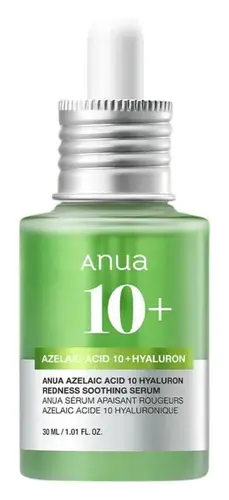
Skin + Me Brighten + Boost Regulating Vitamin C Serum Versus bareMinerals SKIN RESCUE Pure Glow Serum with 10% Vitamin C Complex and Rainbow Seaweed
This brightening serum is formulated around 3-O-Ethyl Ascorbic Acid and Ectoin to brighten dull-looking skin and fade the look of dark spots.
This brightening serum is formulated around 3-O-Ethyl Ascorbic Acid to brighten dull-looking skin and fade the look of dark spots.


What's inside
What's inside
 Key Ingredients
Benefits
Concerns
Ingredients Side-by-side
Water
Skin ConditioningPropanediol
Solvent

3-O-Ethyl Ascorbic Acid
Skin Conditioning





Pentylene Glycol
Skin Conditioning
PEG-12 Dimethicone
Skin Conditioning
Ectoin
Skin Conditioning


Ascorbic Acid
Antioxidant

Tocopherol
Antioxidant
Carnosine
Skin Conditioning
Citric Acid
Buffering

PEG-40 Hydrogenated Castor Oil
Emulsifying

Sphingomonas Ferment Extract
Skin Conditioning
Dimethicone
Emollient
Phenoxyethanol
Preservative
Propylene Glycol
Humectant
Sodium Gluconate
ChelatingSodium Metabisulfite
Antioxidant
Xanthan Gum
EmulsifyingEthylhexylglycerin
Skin ConditioningSodium Chloride
Masking1,2-Hexanediol
Skin Conditioning
Acetyl Hexapeptide-1
Skin Conditioning
Water, Propanediol, 3-O-Ethyl Ascorbic Acid, Pentylene Glycol, PEG-12 Dimethicone, Ectoin, Ascorbic Acid, Tocopherol, Carnosine, Citric Acid, PEG-40 Hydrogenated Castor Oil, Sphingomonas Ferment Extract, Dimethicone, Phenoxyethanol, Propylene Glycol, Sodium Gluconate, Sodium Metabisulfite, Xanthan Gum, Ethylhexylglycerin, Sodium Chloride, 1,2-Hexanediol, Acetyl Hexapeptide-1
Water
Skin ConditioningPropanediol
Solvent
Butylene Glycol
Humectant
Glycerin
Humectant
Pentaerythrityl Tetraethylhexanoate
Emollient
3-O-Ethyl Ascorbic Acid
Skin Conditioning
Dimethicone
Emollient
1,2-Hexanediol
Skin Conditioning
Pentylene Glycol
Skin Conditioning
Squalene
Emollient
Achillea Millefolium Flower/Leaf/Stem Extract
Skin ConditioningAlchemilla Vulgaris Flower/Leaf/Stem Extract
AstringentMalva Sylvestris Flower/Leaf/Stem Extract
Skin ConditioningTerminalia Ferdinandiana Fruit Extract
Antioxidant
Melissa Officinalis Leaf Extract
Skin ConditioningVeronica Officinalis Flower/Leaf/Stem Extract
AstringentAcrylates/C10-30 Alkyl Acrylate Crosspolymer
Emulsion StabilisingSuccinoglycan
Skin ConditioningSodium Benzotriazolyl Butylphenol Sulfonate
UV AbsorberIsochrysis Galbana Extract
Skin ConditioningPhaeodactylum Tricornutum Extract
HumectantNannochloropsis Gaditana Extract
Antioxidant
Primula Veris Flower Extract
Skin ConditioningCystoseira Tamariscifolia Extract
Skin Conditioning
Mentha Piperita Leaf Extract
Skin ConditioningEthylhexylglycerin
Skin ConditioningLecithin
Emollient
Phosphatidylcholine
EmulsifyingMica
Cosmetic ColorantHydroxyapatite
Abrasive

Tromethamine
BufferingPhenoxyethanol
Preservative
Citric Acid
Buffering
Tocopherol
Antioxidant
Sodium Benzoate
Masking
Isopropyl Alcohol
Solvent


Potassium Sorbate
Preservative
Phytic Acid
Chelating
Beta-Sitosterol
Emulsion Stabilising
Titanium Dioxide
Cosmetic Colorant

Water, Propanediol, Butylene Glycol, Glycerin, Pentaerythrityl Tetraethylhexanoate, 3-O-Ethyl Ascorbic Acid, Dimethicone, 1,2-Hexanediol, Pentylene Glycol, Squalene, Achillea Millefolium Flower/Leaf/Stem Extract, Alchemilla Vulgaris Flower/Leaf/Stem Extract, Malva Sylvestris Flower/Leaf/Stem Extract, Terminalia Ferdinandiana Fruit Extract, Melissa Officinalis Leaf Extract, Veronica Officinalis Flower/Leaf/Stem Extract, Acrylates/C10-30 Alkyl Acrylate Crosspolymer, Succinoglycan, Sodium Benzotriazolyl Butylphenol Sulfonate, Isochrysis Galbana Extract, Phaeodactylum Tricornutum Extract, Nannochloropsis Gaditana Extract, Primula Veris Flower Extract, Cystoseira Tamariscifolia Extract, Mentha Piperita Leaf Extract, Ethylhexylglycerin, Lecithin, Phosphatidylcholine, Mica, Hydroxyapatite, Tromethamine, Phenoxyethanol, Citric Acid, Tocopherol, Sodium Benzoate, Isopropyl Alcohol, Potassium Sorbate, Phytic Acid, Beta-Sitosterol, Titanium Dioxide
Ingredients Explained
These ingredients are found in both products.
Ingredients higher up in an ingredient list are typically present in a larger amount.
1,2-Hexanediol is a synthetic liquid and another multi-functional powerhouse.
It is a:
- Humectant, drawing moisture into the skin
- Emollient, helping to soften skin
- Solvent, dispersing and stabilizing formulas
- Preservative booster, enhancing the antimicrobial activity of other preservatives
3-O-Ethyl Ascorbic Acid is one of the most popular "stable" vitamin C derivatives in skincare.
Plain ascorbic acid is fantastic but notoriously fragile; it browns, oxidizes, and loses potency fast. So attaching an ethyl group to the third carbon of the molecule gives it some cool perks:
In a formula, it does the 3 classic vitamin C jobs: it acts as an antioxidant, helps brighten skin tone by inhibiting tyrosinase, and supports collagen.
The evidence is reasonably solid for a cosmetic ingredient; Liao and colleagues (2018) showed it's significantly more stable than ascorbic acid while still being effective.
A 2021 study by Zerbinati and colleagues tested a serum with 30% 3-O-ethyl-l-ascorbic acid and 1% lactic acid significantly increased collagen production, reduced UVB-induced DNA damage, and decreased melanin on a reconstructed pigmented skin model.
Typical real world usage sits around 0.5-5% (and 1-2% is common for daily serums).
Amounts up to 30% have been shown to be non-irritating on human skin samples, but two isolated cases reported allergic contact dermatitis so a patch test is sensible if you have reactive skin.
Learn more about 3-O-Ethyl Ascorbic AcidCitric Acid is an alpha hydroxy acid (AHA) naturally found in citrus fruits like oranges, lemons, and limes.
Like other AHAs, citric acid can exfoliate skin by breaking down the bonds that hold dead skin cells together. This helps reveal smoother and brighter skin underneath.
However, this exfoliating effect only happens at high concentrations (20%) which can be hard to find in cosmetic products.
Due to this, citric acid is usually included in small amounts as a pH adjuster. This helps keep products slightly more acidic and compatible with skin's natural pH.
In skincare formulas, citric acid can:
While it can provide some skin benefits, research shows lactic acid and glycolic acid are generally more effective and less irritating exfoliants.
Most citric acid used in skincare today is made by fermenting sugars (usually from molasses). This synthetic version is identical to the natural citrus form but easier to stabilize and use in formulations.
Rosacea skin has a lower threshold for acids generally, with 62.5% of rosacea subjects in one study reacting to lactic acid in a sting test. This is why we mark citric acid as a potential rosacea trigger.
However, this ingredient shows up as a pH adjuster or chelator at roughly 0.1-1% in many products. These low levels are unlikely to be an issue for rosacea skin and becomes a potential trigger at exfoliating concentrations (20%). Because everybody's skin is unique, we recommend a patch test if you are unsure.
Learn more about Citric AcidDimethicone is a type of synthetic silicone created from natural materials such as quartz. It is also known as polydimethylsiloxane.
What it does:
Dimethicone comes in different viscosities:
Depending on the viscosity, dimethicone has different properties.
Ingredients lists don't always show which type is used, so we recommend reaching out to the brand if you have questions about the viscosity.
This ingredient is unlikely to cause irritation because it does not get absorbed into skin. However, people with silicone allergies should be careful about using this ingredient.
Note: Dimethicone may contribute to pilling. This is because it is not oil or water soluble, so pilling may occur when layered with products. When mixed with heavy oils in a formula, the outcome is also quite greasy.
Learn more about DimethiconeEthylhexylglycerin is created from glycerin. It is a multitasker ingredient that:
The CIR Expert Panel found minimal skin absorption or sensitization of any kind in a safety assessment. Though this ingredient is considered well-tolerated, a small number of cases of allergic dermatitis have been published since 2002. Just be sure to patch test if you are unsure.
Industry-reported use ranges from 8% in rinse-off products and 2% in leave-on formulations.
Learn more about EthylhexylglycerinPentylene Glycol (1,2-pentanediol) is a multitasking little diol with three main roles in a formula:
Research on alkanediols (the family pentylene glycol belongs to) show they work by disrupting microbial cell membranes. This disruption helps the primary preservative system in a product work more effectively at lower doses.
On the safety side, the Cosmetic Ingredient Review Expert Panel has concluded this ingredient to be safe as used in current cosmetic practices + concentrations.
Typical use levels in a formula run about 1-5%.
Learn more about Pentylene GlycolPhenoxyethanol is one of the most widely used preservatives in skincare (and for good reason!).
It has a large spectrum of antimicrobial activity and especially effective bacteria, yeast, and mold while only having a weak effect on your skin's natural microbiome.
On a cellular level, it disrupts the cell membranes of microbes by poking holes that make the cell leak. This shuts down the chemical reactions the microbe needs to make energy so it can no longer survive.
Another perk of this ingredient is that it stays functional across a wide pH range (3-10).
You'll often see it paired with boosters like Ethylhexylglycerin; one study showed that a 1:9 ratio of Ethylhexylglycerin to Phenoxyethanol damages bacterial membranes as effectively as doubling the Phenoxyethanol concentration on its own.
Typical use concentrations range from 0.3-1% depending on the formula, and this ingredient is capped at 1% int the EU.
Safety-wise, the fear mongering does not hold up to the evidence. The EU's Scientific Committee on Consumer Safety and FDA consider it safe as a preservative at up to 1%, including for children of all ages.
Adverse systemic effects only showed up in animal studies at exposures roughly 200x higher than what people get from cosmetics. And despite its very widespread use, this ingredient is a rare sensitizer and allergic reactions are uncommon.
Learn more about PhenoxyethanolPropanediol is an all-star ingredient. It softens, hydrates, and smooths the skin.
It’s often used to:
Propanediol is not likely to cause sensitivity and considered safe to use. It is derived from corn or petroleum with a clear color and no scent.
Learn more about PropanediolTocopherol is a fat-soluble antioxidant known as Vitamin E.
You'll find this ingredient in the vast majority of skincare (for good reason). It works to neutralize free radicals, or unstable molecules generated by UV exposure, pollution, and other environmental stressors, before they can cause oxidative damage to your skin cells.
Topically applied tocopherol has been shown to protect against UV damage by ramping up the skin's own natural defense enzymes.
It also acts as a skin conditioning agent; some studies show that regular topical use can improve the skin's water-binding capacity over 2-4 weeks.
This ingredient is especially loved for being a team player. When combined with Vitamin C, the photoprotective effect of both ingredients roughly doubles and the combo also helps reduce UV-induced DNA damage.
This ingredient has some brightening potential but it's more of a prevention ingredient than spot-fader. Cell studies show it can slow down melanin production but it's worth noting that it's not the most powerful brightener out there.
In formulations, it also serves as a stabilizer that helps protect other oxidation-prone ingredients from degrading.
Concentrations usually range from 0.1-1% in most leave-on products.
Learn more about TocopherolWater. It's the most common cosmetic ingredient of all. You'll usually see it at the top of ingredient lists, meaning that it makes up the largest part of the product.
So why is it so popular? Water most often acts as a solvent - this means that it helps dissolve other ingredients into the formulation.
You'll also recognize water as that liquid we all need to stay alive. If you see this, drink a glass of water. Remember to stay hydrated!
Learn more about Water