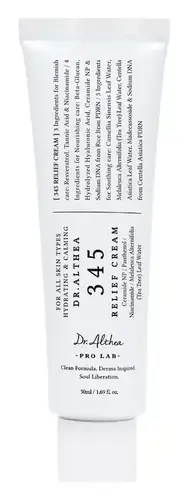
This barrier-repair moisturizer is formulated around Trehalose and Panthenol to strengthen the skin barrier and hydrate skin.
This brightening moisturizer is formulated around Niacinamide and Tranexamic Acid to brighten dull-looking skin and fade the look of dark spots.

What's inside
What's inside
 Key Ingredients
Benefits
Ingredients Side-by-side
Water
Skin ConditioningTrehalose
Humectant


Propanediol
Solvent
Glycerin
Humectant
Sodium Acrylate/Sodium Acryloyldimethyl Taurate Copolymer
Emulsion StabilisingPanthenol
Skin Conditioning

1,2-Hexanediol
Skin Conditioning
Ceramide NP
Skin Conditioning
Ceramide AP
Skin Conditioning
Phytosphingosine
Skin Conditioning
Cholesterol
Emollient
Ceramide EOP
Skin Conditioning
C15-19 Alkane
SolventLauryl Glucoside
CleansingTrisodium Ethylenediamine Disuccinate
ChelatingSodium Lauroyl Lactylate
EmulsifyingXanthan Gum
EmulsifyingCarbomer
Emulsion StabilisingPhenoxyethanol
Preservative
Ethylhexylglycerin
Skin ConditioningCitric Acid
Buffering


Water, Trehalose, Propanediol, Glycerin, Sodium Acrylate/Sodium Acryloyldimethyl Taurate Copolymer, Panthenol, 1,2-Hexanediol, Ceramide NP, Ceramide AP, Phytosphingosine, Cholesterol, Ceramide EOP, C15-19 Alkane, Lauryl Glucoside, Trisodium Ethylenediamine Disuccinate, Sodium Lauroyl Lactylate, Xanthan Gum, Carbomer, Phenoxyethanol, Ethylhexylglycerin, Citric Acid
Water
Skin ConditioningNiacinamide
Smoothing





Propanediol
Solvent
Pentylene Glycol
Skin Conditioning
Panthenol
Skin Conditioning
C15-19 Alkane
SolventDimethicone
Emollient
Cyclopentasiloxane
Emollient
Dipropylene Glycol
HumectantTranexamic Acid
Astringent
Sodium DNA
Skin Conditioning
Phellodendron Amurense Bark Extract
Skin ConditioningCyanocobalamin
Skin Conditioning1,2-Hexanediol
Skin Conditioning
Cyclohexasiloxane
Emollient
Ethylhexylglycerin
Skin ConditioningButylene Glycol
Humectant
Hydroxypropyl Starch Phosphate
Carbomer
Emulsion StabilisingDisodium EDTA
ChelatingSodium Hydroxide
BufferingHydroxyacetophenone
Antioxidant
Ammonium Acryloyldimethyltaurate/Beheneth-25 Methacrylate Crosspolymer
Emulsion StabilisingAroma


CI 17200
Cosmetic ColorantCI 16035
Cosmetic ColorantCI 19140
Cosmetic ColorantWater, Niacinamide, Propanediol, Pentylene Glycol, Panthenol, C15-19 Alkane, Dimethicone, Cyclopentasiloxane, Dipropylene Glycol, Tranexamic Acid, Sodium DNA, Phellodendron Amurense Bark Extract, Cyanocobalamin, 1,2-Hexanediol, Cyclohexasiloxane, Ethylhexylglycerin, Butylene Glycol, Hydroxypropyl Starch Phosphate, Carbomer, Disodium EDTA, Sodium Hydroxide, Hydroxyacetophenone, Ammonium Acryloyldimethyltaurate/Beheneth-25 Methacrylate Crosspolymer, Aroma, CI 17200, CI 16035, CI 19140
Reviews
Ingredients Explained
These ingredients are found in both products.
Ingredients higher up in an ingredient list are typically present in a larger amount.
1,2-Hexanediol is a synthetic liquid and another multi-functional powerhouse.
It is a:
- Humectant, drawing moisture into the skin
- Emollient, helping to soften skin
- Solvent, dispersing and stabilizing formulas
- Preservative booster, enhancing the antimicrobial activity of other preservatives
C15-19 alkane is a mixture of alkanes. Alkanes are hydrocarbons with carbon atoms held together by single bonds.
It is a synthetically created solvent and emollient often used to replace silicones or mineral oil. As an emollient, C15-19 Alkane helps soften and soothe the skin. Emollients create a barrier to trap moisture inside.
You'll often see this ingredient used with mineral UV filters such as titanium dioxidide and zinc oxide. It helps these UV filter ingredients be more spreadable.
This ingredient is biodegradable. According to a manufacturer, it is also known as Hydrogenated Polyfarnesene.
Learn more about C15-19 AlkaneCarbomer is a synthetic thickening and gelling agent. It's basically the ingredient that gives a lot of serums, gels, creams, and sunscreens their smooth, non-sticky texture.
Although legally permitted at very high levels, carbomers are normally used at concentrations below 1%.
It also needs to be neutralized to actually thicken, and because it is a large molecule, it doesn't really penetrate the skin barrier.
Allergy-wise, the risk is very low. Clinical studies show carbomers have low potential for skin irritation/sensitization even at concentrations up to 100%.
A 2024 UK study patch-tested 1,302 patients and found true allergy to the parent group of carbomer to be rare with no confirmed relevant reactions.
Learn more about CarbomerEthylhexylglycerin is created from glycerin. It is a multitasker ingredient that:
The CIR Expert Panel found minimal skin absorption or sensitization of any kind in a safety assessment. Though this ingredient is considered well-tolerated, a small number of cases of allergic dermatitis have been published since 2002. Just be sure to patch test if you are unsure.
Industry-reported use ranges from 8% in rinse-off products and 2% in leave-on formulations.
Learn more about EthylhexylglycerinPanthenol is a common ingredient that helps hydrate and soothe the skin. It is found naturally in our skin and hair.
There are two forms of panthenol: D and L.
D-panthenol is also known as dexpanthenol. Most cosmetics use dexpanthenol or a mixture of D and L-panthenol.
Panthenol is famous due to its ability to go deeper into the skin's layers. Using this ingredient has numerous pros (and no cons):
Like hyaluronic acid, panthenol is a humectant. Humectants are able to bind and hold large amounts of water to keep skin hydrated.
This ingredient works well for wound healing. It works by increasing tissue in the wound and helps close open wounds.
Once oxidized, panthenol converts to pantothenic acid. Panthothenic acid is found in all living cells.
This ingredient is also referred to as pro-vitamin B5.
Learn more about PanthenolPropanediol is an all-star ingredient. It softens, hydrates, and smooths the skin.
It’s often used to:
Propanediol is not likely to cause sensitivity and considered safe to use. It is derived from corn or petroleum with a clear color and no scent.
Learn more about PropanediolWater. It's the most common cosmetic ingredient of all. You'll usually see it at the top of ingredient lists, meaning that it makes up the largest part of the product.
So why is it so popular? Water most often acts as a solvent - this means that it helps dissolve other ingredients into the formulation.
You'll also recognize water as that liquid we all need to stay alive. If you see this, drink a glass of water. Remember to stay hydrated!
Learn more about Water