
What's inside
What's inside
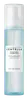 Key Ingredients
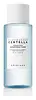
Benefits
Concerns
Ingredients Side-by-side
Camellia Sinensis Leaf Water
Masking
Water
Skin Conditioning1,2-Hexanediol
Skin Conditioning
Methylpropanediol
SolventCentella Asiatica Extract
Cleansing





Sodium Hyaluronate
Humectant
Hydrolyzed Hyaluronic Acid
Humectant
Hyaluronic Acid
Humectant
Pentylene Glycol
Skin Conditioning
Butylene Glycol
Humectant
Betaine
Humectant
Xylitol
Humectant
Hibiscus Esculentus Fruit Extract
Skin ConditioningAdenosine
Skin Conditioning
Polyglutamic Acid
Skin Conditioning
Ethylhexylglycerin
Skin ConditioningCitric Acid
Buffering


Sodium Phytate
Rosa Damascena Flower Water
Masking
Galactomyces Ferment Filtrate
Humectant

Artemisia Princeps Leaf Extract
Skin ConditioningGlycerin
Humectant
Hydroxypropyltrimonium Hyaluronate
Caprylic/Capric Triglyceride
Masking
Sodium Acetylated Hyaluronate
Humectant
Hydrogenated Lecithin
Emulsifying
Ceramide NP
Skin Conditioning
Sodium Hyaluronate Crosspolymer
Humectant
Hydrolyzed Sodium Hyaluronate
Skin Conditioning
Dioscorea Japonica Root Extract
Skin Conditioning
Beta-Glucan
Skin Conditioning
Hydrolyzed Corn Starch
HumectantPotassium Hyaluronate
Skin ConditioningSucrose
Humectant
Sodium Chondroitin Sulfate
Skin Conditioning
Camellia Sinensis Leaf Water, Water, 1,2-Hexanediol, Methylpropanediol, Centella Asiatica Extract, Sodium Hyaluronate, Hydrolyzed Hyaluronic Acid, Hyaluronic Acid, Pentylene Glycol, Butylene Glycol, Betaine, Xylitol, Hibiscus Esculentus Fruit Extract, Adenosine, Polyglutamic Acid, Ethylhexylglycerin, Citric Acid, Sodium Phytate, Rosa Damascena Flower Water, Galactomyces Ferment Filtrate, Artemisia Princeps Leaf Extract, Glycerin, Hydroxypropyltrimonium Hyaluronate, Caprylic/Capric Triglyceride, Sodium Acetylated Hyaluronate, Hydrogenated Lecithin, Ceramide NP, Sodium Hyaluronate Crosspolymer, Hydrolyzed Sodium Hyaluronate, Dioscorea Japonica Root Extract, Beta-Glucan, Hydrolyzed Corn Starch, Potassium Hyaluronate, Sucrose, Sodium Chondroitin Sulfate
Centella Asiatica Leaf Water 74%
Skin Conditioning
Butylene Glycol
Humectant
1,2-Hexanediol
Skin Conditioning
Niacinamide
Smoothing



Water
Skin ConditioningBetaine
Humectant
Sodium Hyaluronate
Humectant
Hydrolyzed Sodium Hyaluronate
Skin Conditioning
Hyaluronic Acid
Humectant
Hibiscus Esculentus Fruit Extract
Skin ConditioningXylitol
Humectant
Polyglyceryl-10 Oleate
Skin Conditioning
Polyglyceryl-10 Myristate
Skin Conditioning
Polyglyceryl-6 Dioleate
Emulsifying
Pyrus Communis Fruit Extract
Skin ConditioningPentylene Glycol
Skin Conditioning
Polyglyceryl-4 Laurate
Emulsifying
Ethylhexylglycerin
Skin ConditioningRosa Damascena Flower Water
Masking
Adenosine
Skin Conditioning
Cucumis Melo Fruit Extract
Skin ConditioningIris Florentina Root Extract
MaskingHedera Helix Leaf/Stem Extract
AntimicrobialSodium Phytate
Methylpropanediol
SolventXanthan Gum
EmulsifyingCitric Acid
Buffering
Artemisia Princeps Leaf Extract
Skin ConditioningCaprylic/Capric Triglyceride
Masking
Polyglutamic Acid
Skin Conditioning
Hydrogenated Lecithin
Emulsifying
Ceramide NP
Skin Conditioning
Capryloyl Salicylic Acid
Exfoliating
Centella Asiatica Leaf Water 74%, Butylene Glycol, 1,2-Hexanediol, Niacinamide, Water, Betaine, Sodium Hyaluronate, Hydrolyzed Sodium Hyaluronate, Hyaluronic Acid, Hibiscus Esculentus Fruit Extract, Xylitol, Polyglyceryl-10 Oleate, Polyglyceryl-10 Myristate, Polyglyceryl-6 Dioleate, Pyrus Communis Fruit Extract, Pentylene Glycol, Polyglyceryl-4 Laurate, Ethylhexylglycerin, Rosa Damascena Flower Water, Adenosine, Cucumis Melo Fruit Extract, Iris Florentina Root Extract, Hedera Helix Leaf/Stem Extract, Sodium Phytate, Methylpropanediol, Xanthan Gum, Citric Acid, Artemisia Princeps Leaf Extract, Caprylic/Capric Triglyceride, Polyglutamic Acid, Hydrogenated Lecithin, Ceramide NP, Capryloyl Salicylic Acid
Reviews
Ingredients Explained
These ingredients are found in both products.
Ingredients higher up in an ingredient list are typically present in a larger amount.
1,2-Hexanediol is a synthetic liquid and another multi-functional powerhouse.
It is a:
- Humectant, drawing moisture into the skin
- Emollient, helping to soften skin
- Solvent, dispersing and stabilizing formulas
- Preservative booster, enhancing the antimicrobial activity of other preservatives
Adenosine is in every living organism. It is one of four components in nucleic acids that helps store our DNA.
Adenosine has many benefits when used. These benefits include hydrating the skin, smoothing skin, and reducing wrinkles. Once applied, adenosine increases collagen production. It also helps with improving firmness and tissue repair.
Studies have found adenosine may also help with wound healing.
In skincare products, Adenosine is usually derived from yeast.
Learn more about AdenosineThis leaf extract comes from the Asian mugwort. It has antioxidant and anti-inflammatory properties.
Fun fact: This flower is part of the sunflower family.
Betaine is a humectant. Like hyaluronic acid, it helps attract and retain moisture in the skin. It’s known for being gentle and for helping the skin maintain balanced hydration.
Betaine is mainly used to improve hydration and support calmer skin. It helps skin cells regulate water balance because it functions as an osmolyte.
Some studies suggest betaine may support making skin tone more even.
Fun fact: Betaine naturally exists in the skin and the body. In cosmetic products, it can be either plant-derived (most commonly from sugar beets) or synthetically produced for consistency and stability.
Betaine is also known as trimethylglycine.
Learn more about BetaineButylene Glycol (or BG) is used within cosmetic products for a few different reasons:
Overall, Butylene Glycol is a safe and well-rounded ingredient that works well with other ingredients.
Though this ingredient works well with most skin types, some people with sensitive skin may experience a reaction such as allergic rashes, closed comedones, or itchiness.
Learn more about Butylene GlycolCaprylic/Capric Triglyceride (aka MCT Oil) is a lightweight emollient, solvent, and texture enhancer. It is considered a skin-softener by helping to prevent moisture loss.
Though it behaves like an oil, it is not technically one due to its chemical composition. One perk of this ingredient is that it is very stable, resistant to oxidation, and unlikely to go rancid.
In practice, that translates to a long shelf life and a consistently elegant skin feel.
While there is an assumption Caprylic Triglyceride can clog pores due to it being derived from coconut oil, there is no research supporting this. Just patch test if you have concerns.
Fractionated coconut oil and MCT Oil are both listed as Caprylic/Capric Triglyceride according to INCI. This is because INCI names are based on the ingredient’s final chemical composition and not its marketing name or source.
This ingredient is treated as the gold standard fungal acne safe oil. Even though it is coconut derived, the problematic lauric acid is stripped out.
This leaves just caprylic (C8) and capric (C10) acid. These chain lengths actually trend antifungal; a 2020 study found caprylic acid was enough to disrupt Malassezia furfur cell membrane, with a caprylic acid derivative damaging membrane structures at concentrations as low as 0.2%.
Learn more about Caprylic/Capric TriglycerideCeramide NP (formerly known as Ceramide 3) is one of the skin's naturally occurring lipids.
Since ceramides are the major lipid components of the skin, they are crucial for maintaining skin barrier and hydration. Ceramide NP most closely mirrors the dominant kind in human skin amongst ceramide subtypes.
This ceramide works by slotting into gaps within the stratum corneum's lipid matrix to limit trans-epidermal water loss (TEWL) and shield the skin against external irritants.
A study with 312 patients found that using a ceramide-containing routine for 4 weeks reduced the severity of atopic dermatitis by over 61%.
Another clinical study in subjects aged 60 and older found that a ceramide body wash and moisturizer improved skin dryness and itchy skin in 15 days.
Overall, ceramides are considered non-irritating and safety tests have found little to no observable adverse effects from using this ingredient.
Ceramide NP is usually sourced from plants (like soybean or rice bran), or produced synthetically.
Learn more about Ceramide NPCitric Acid is an alpha hydroxy acid (AHA) naturally found in citrus fruits like oranges, lemons, and limes.
Like other AHAs, citric acid can exfoliate skin by breaking down the bonds that hold dead skin cells together. This helps reveal smoother and brighter skin underneath.
However, this exfoliating effect only happens at high concentrations (20%) which can be hard to find in cosmetic products.
Due to this, citric acid is usually included in small amounts as a pH adjuster. This helps keep products slightly more acidic and compatible with skin's natural pH.
In skincare formulas, citric acid can:
While it can provide some skin benefits, research shows lactic acid and glycolic acid are generally more effective and less irritating exfoliants.
Most citric acid used in skincare today is made by fermenting sugars (usually from molasses). This synthetic version is identical to the natural citrus form but easier to stabilize and use in formulations.
Read more about some other popular AHA's here:
Learn more about Citric AcidEthylhexylglycerin is created from glycerin. It is a multitasker ingredient that:
The CIR Expert Panel found minimal skin absorption or sensitization of any kind in a safety assessment. Though this ingredient is considered well-tolerated, a small number of cases of allergic dermatitis have been published since 2002. Just be sure to patch test if you are unsure.
Industry-reported use ranges from 8% in rinse-off products and 2% in leave-on formulations.
Learn more about EthylhexylglycerinWe don't have a description for Hibiscus Esculentus Fruit Extract yet.
Hyaluronic acid (HA) is a glycosaminoglycan (basically a long sugar chain) that your skin already makes on its own. In your skin, HA lives in the extracellular matrix and acts as the body's moisture reservoir.
Topically, HA is a humectant that binds water and helps skin look more plump, smooth, and hydrated.
The only catch is that HA isn't a single thing; it actually comes in a wide range of molecular weights (~50 - 2,000+ kDA) and size matters.
Some clinical evidence links low molecular weight versions to improved wrinkle depth, elasticity, anti-inflammatory effects, and barrier repair.
This is why the best HA serums blend the two sizes together so you get the best of both worlds.
The majority of cosmetic HA is produced by bacterial fermentation, typically using Streptococcus or Bacillus strains. Typical use levels in skincare sit around 0.1-2%.
A clinical study using a 0.2% low-molecular weight HA gel showed improvement in facial seborrheic dermatitis with excellent tolerance.
These are some other common types of Hyaluronic Acid:
Learn more about Hyaluronic AcidHydrogenated Lecithin is a more stable version of lecithin.
It's made by taking lecithin (a phospholipid commonly found in soybeans and egg yolks) and hydrogenating it. This just means the unsaturated fatty acids are turned into saturated ones so they don't go bad as easily.
This ingredient is an emollient, emulsifier, and penetration enhancer. As an emollient, it helps soften and hydrate skin by trapping moisture within. As an emulsifier, it prevents oil and water ingredients from separating.
Hydrogenated Lecithin can form tiny spherical structures made of phospholipid bilayers called liposomes. These liposomes are able to capture compounds inside their structure and deliver them through the skin barrier.
Because phospholipids are a natural component of our cell membranes, this ingredient is inherently compatible with skin.
A 2021 study found lecithin-based surfactants were less harsh and more tolerable comared to Sodium Lauryl Sulfate (SLS).
Learn more about Hydrogenated LecithinThis ingredient is created by putting sodium hyaluronate through hydrolysis.
You might know this as 'mini' or 'ultra low-molecular weight' hyaluronic acid. The small molecule size means it is able to travel deeper in the skin.
According to studies, low molecular-weight hyaluronic acid can:
One study from 2011 found ultra-low weight HA to show pro-inflammatory properties. Another study from 2022 found it to downregulate UV-B induced inflammation.
Hydrolysis is a process of changing a molecule using water or enzymes.
This ingredient is water-soluble.
Learn more about Hydrolyzed Sodium HyaluronateMethylpropanediol is a synthetic solvent and humectant.
As a solvent, it helps dissolve other ingredients, helping to evenly distribute ingredients throughout the product. This ingredient has also been shown to have antimicrobial properties which makes it a preservative booster.
Methylpropanediol is able to add a bit of moisture to the skin. It also helps other ingredients be better absorbed into the skin, such as salicylic acid.
Learn more about MethylpropanediolPentylene glycol is typically used within a product to thicken it. It also adds a smooth, soft, and moisturizing feel to the product. It is naturally found in plants such as sugar beets.
The hydrophilic trait of Pentylene Glycol makes it a humectant. As a humectant, Pentylene Glycol helps draw moisture from the air to your skin. This can help keep your skin hydrated.
This property also makes Pentylene Glycol a great texture enhancer. It can also help thicken or stabilize a product.
Pentylene Glycol also acts as a mild preservative and helps to keep a product microbe-free.
Some people may experience mild eye and skin irritation from Pentylene Glycol. We always recommend speaking with a professional about using this ingredient in your routine.
Pentylene Glycol has a low molecular weight and is part of the 1,2-glycol family.
Learn more about Pentylene GlycolPolyglutamic Acid is made up many glutamic acids chained together. It is created from bacterial fermentation.
This ingredient is an effective skin hydrator and may help speed up wound healing. As a humectant, it draws and holds water to the skin. This ingredient is often compared to hyaluronic acid or glycerin. Similarly to hyaluronic acid, it can vary in molecular weights. This means polyglutamic acid is capable of bringing hydration to lower levels of the skin.
Fun fact: Polyglutamic Acid is found in the Japanese food, natto. It is also being used in cancer treatment studies.
Learn more about Polyglutamic AcidRosa Damascena Flower Water is the water-based byproduct of steam-distilling damask rose petals. It has skin conditioning, masking, and skin protecting properties.
Research shows that Rosa damascena is rich in flavonoids and phenolic compounds like gallic acid that contribute to its antioxidant activity.
In vitro studies have shown that Rosa damascena can scavenge free radicals and reduce melanin overproduction. Research has also found this extract offers some degree of UV absorption but this should not replace your sunscreen.
Learn more about Rosa Damascena Flower WaterSodium Hyaluronate is the salt form of hyaluronic acid. It is a long sugar chain that is naturally found in your skin, joints, and connective tissue that maintains hydration and elasticity.
In skincare, it works as a humectant. It pulls water from the environment and deeper layers of skin and binds it to the surface.
Interestingly, the size of the molecule affects its behavior:
Some clinical evidence links low molecular weight versions to improved wrinkle depth, elasticity, anti-inflammatory effects, and barrier repair.
Many serums use a blend of both weights so you can get surface hydration plus longer-lasting and deeper effects.
You'll typically see concentrations between 0.1-2% for this ingredient.
Learn more about Sodium HyaluronateSodium Phytate is the synthetic salt form of phytic acid. Phytic acid is an antioxidant and can be found in plant seeds.
Sodium Phytate is a chelating agent. Chelating agents help prevent metals from binding to water. This helps stabilize the ingredients and the product.
Water. It's the most common cosmetic ingredient of all. You'll usually see it at the top of ingredient lists, meaning that it makes up the largest part of the product.
So why is it so popular? Water most often acts as a solvent - this means that it helps dissolve other ingredients into the formulation.
You'll also recognize water as that liquid we all need to stay alive. If you see this, drink a glass of water. Remember to stay hydrated!
Learn more about WaterXylitol is a humectant and prebiotic. It can help with dry skin.
In studies, xylitol has been shown to improve dry skin. It decreased transepidermal water loss, or when water passes through the skin and evaporates. Xylitol also showed to help improve the biomechanical properties of the skin barrier.
The prebiotic property of xylitol may also help reinforce our skin's natural microbiome. Having a healthy microbiome prevents infection by bad bacteria and helps with hydration.
As a humectant, Xylitol helps draw moisture from both the air and from deeper skin layers. This helps keep skin hydrated.
Xylitol is a sugar alcohol and commonly used as a sugar substitute. It is naturally occurring in plants such as strawberries and pumpkin.
Learn more about Xylitol
