This barrier-repair moisturizer is formulated around Urea and Oligopeptide-1 to strengthen the skin barrier and hydrate skin.
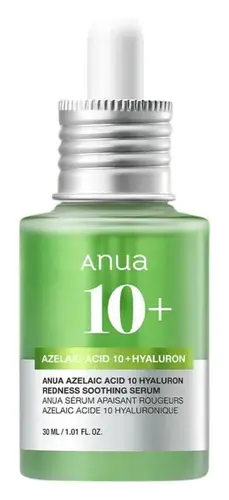
This acne moisturizer is formulated around Azelaic Acid to clear breakouts and calm redness.

What's inside
What's inside
 Key Ingredients
Benefits
Ingredients Side-by-side
Water
Skin ConditioningButylene Glycol
Humectant

Glycerin
Humectant
Urea
Buffering

Pentylene Glycol
Skin Conditioning
Squalane
Emollient
Cetyl Ethylhexanoate
EmollientBetaine
Humectant
Acetyl Decapeptide-3
Skin Conditioning
Oligopeptide-1
Skin Conditioning
Ceramide Ag
Humectant
Ceramide AP
Skin Conditioning
Ceramide EOP
Skin Conditioning
Ceramide Ng
Skin Conditioning
Ceramide NP
Skin Conditioning
Centella Asiatica Leaf Vesicles
Palmitoyl Tripeptide-5
Skin Conditioning
Sh-Pentapeptide-12 Sp
Skin Conditioning
Dipotassium Glycyrrhizate
Humectant
Sodium Hyaluronate
Humectant
Glycosyl Trehalose
Emulsion StabilisingTriethylhexanoin
MaskingXanthan Gum
EmulsifyingCarbomer
Emulsion StabilisingTrisodium Hedta
Hydrogenated Starch Hydrolysate
HumectantPhytosterols
Skin Conditioning
Hydrogenated Lecithin
Emulsifying
Phenoxyethanol
Preservative
Sodium Hydroxide
BufferingWater, Butylene Glycol, Glycerin, Urea, Pentylene Glycol, Squalane, Cetyl Ethylhexanoate, Betaine, Acetyl Decapeptide-3, Oligopeptide-1, Ceramide Ag, Ceramide AP, Ceramide EOP, Ceramide Ng, Ceramide NP, Centella Asiatica Leaf Vesicles, Palmitoyl Tripeptide-5, Sh-Pentapeptide-12 Sp, Dipotassium Glycyrrhizate, Sodium Hyaluronate, Glycosyl Trehalose, Triethylhexanoin, Xanthan Gum, Carbomer, Trisodium Hedta, Hydrogenated Starch Hydrolysate, Phytosterols, Hydrogenated Lecithin, Phenoxyethanol, Sodium Hydroxide
Lactobacillus/Houttuynia Cordata Leaf Extract Ferment Filtrate
Skin ConditioningAzelaic Acid
Buffering




Dipropylene Glycol
HumectantSodium Hydroxide
BufferingButylene Glycol
Humectant
Pentylene Glycol
Skin Conditioning
Propanediol
Solvent
Tromethamine
BufferingPanthenol
Skin Conditioning
Hydrogenated Lecithin
Emulsifying
Phytosterols
Skin Conditioning
Dipotassium Glycyrrhizate
Humectant
Madecassoside
Antioxidant
Asiaticoside
Antioxidant
Gluconolactone
Skin Conditioning
Succinic Acid
BufferingCitric Acid
Buffering

Sodium Acetylated Hyaluronate
Humectant
Sodium Hyaluronate
Humectant
Sodium Hyaluronate Crosspolymer
Humectant
Hydrolyzed Sodium Hyaluronate
Skin Conditioning
Centella Asiatica Extract
Cleansing
Ethylhexylglycerin
Skin ConditioningCaprylyl Glycol
Emollient
Phenoxyethanol
Preservative
Water
Skin ConditioningLactobacillus/Houttuynia Cordata Leaf Extract Ferment Filtrate, Azelaic Acid, Dipropylene Glycol, Sodium Hydroxide, Butylene Glycol, Pentylene Glycol, Propanediol, Tromethamine, Panthenol, Hydrogenated Lecithin, Phytosterols, Dipotassium Glycyrrhizate, Madecassoside, Asiaticoside, Gluconolactone, Succinic Acid, Citric Acid, Sodium Acetylated Hyaluronate, Sodium Hyaluronate, Sodium Hyaluronate Crosspolymer, Hydrolyzed Sodium Hyaluronate, Centella Asiatica Extract, Ethylhexylglycerin, Caprylyl Glycol, Phenoxyethanol, Water
Ingredients Explained
These ingredients are found in both products.
Ingredients higher up in an ingredient list are typically present in a larger amount.
Butylene Glycol (or BG) is used within cosmetic products for a few different reasons:
Overall, Butylene Glycol is a safe and well-rounded ingredient that works well with other ingredients.
Though this ingredient works well with most skin types, some people with sensitive skin may experience a reaction such as allergic rashes, closed comedones, or itchiness.
Learn more about Butylene GlycolDipotassium Glycyrrhizate comes from licorice root.
Extracts of licorice have demonstrated to have antibacterial, anti‐inflammatory, antiviral, antioxidant properties.
One component, glabridin, has extra potent antioxidant and soothing properties. It has also been found to block pigmentation from UVB rays in guinea pigs.
Licorice Root also contains a flavonoid. Flavonoids are a natural substance from in plants. Flavonoids also have antioxidant properties.
Another component, glycyrrhizin, has been found to have anti-inflammatory and antimicrobial benefits. This may make licorice root extract effective at treating acne. However, more research is needed to support this.
Liquiritin is one of the flavone compounds found in licorice. It has been found to help lighten skin by preventing tyrosinase from reacting with tyrosine. When the two react, protein is converted to melanin. Melanin is the substance in your body that gives your features pigmentation.
Licorice root is native to Southern Europe and Asia. It has been used in traditional Chinese medicine to help with respiratory issues.
Learn more about Dipotassium GlycyrrhizateHydrogenated Lecithin is a more stable version of lecithin.
It's made by taking lecithin (a phospholipid commonly found in soybeans and egg yolks) and hydrogenating it. This just means the unsaturated fatty acids are turned into saturated ones so they don't go bad as easily.
This ingredient is an emollient, emulsifier, and penetration enhancer. As an emollient, it helps soften and hydrate skin by trapping moisture within. As an emulsifier, it prevents oil and water ingredients from separating.
Hydrogenated Lecithin can form tiny spherical structures made of phospholipid bilayers called liposomes. These liposomes are able to capture compounds inside their structure and deliver them through the skin barrier.
Because phospholipids are a natural component of our cell membranes, this ingredient is inherently compatible with skin.
A 2021 study found lecithin-based surfactants were less harsh and more tolerable comared to Sodium Lauryl Sulfate (SLS).
Learn more about Hydrogenated LecithinPentylene Glycol (1,2-pentanediol) is a multitasking little diol with three main roles in a formula:
Research on alkanediols (the family pentylene glycol belongs to) show they work by disrupting microbial cell membranes. This disruption helps the primary preservative system in a product work more effectively at lower doses.
On the safety side, the Cosmetic Ingredient Review Expert Panel has concluded this ingredient to be safe as used in current cosmetic practices + concentrations.
Typical use levels in a formula run about 1-5%.
Learn more about Pentylene GlycolPhenoxyethanol is one of the most widely used preservatives in skincare (and for good reason!).
It has a large spectrum of antimicrobial activity and especially effective bacteria, yeast, and mold while only having a weak effect on your skin's natural microbiome.
On a cellular level, it disrupts the cell membranes of microbes by poking holes that make the cell leak. This shuts down the chemical reactions the microbe needs to make energy so it can no longer survive.
Another perk of this ingredient is that it stays functional across a wide pH range (3-10).
You'll often see it paired with boosters like Ethylhexylglycerin; one study showed that a 1:9 ratio of Ethylhexylglycerin to Phenoxyethanol damages bacterial membranes as effectively as doubling the Phenoxyethanol concentration on its own.
Typical use concentrations range from 0.3-1% depending on the formula, and this ingredient is capped at 1% int the EU.
Safety-wise, the fear mongering does not hold up to the evidence. The EU's Scientific Committee on Consumer Safety and FDA consider it safe as a preservative at up to 1%, including for children of all ages.
Adverse systemic effects only showed up in animal studies at exposures roughly 200x higher than what people get from cosmetics. And despite its very widespread use, this ingredient is a rare sensitizer and allergic reactions are uncommon.
Learn more about PhenoxyethanolPhytosterols are plant-derived sterols (you can think of them as the plant world's version of cholesterol). In cosmetics, this ingredient is usually sourced from soybean, rice bran, shea, sunflower, and other seed oils.
The main actors in this group are β-sitosterol, campesterol, and stigmasterol (the CIR covers 27 phytosterols).
They work by fitting perfectly into your stratum corneum's lipid matrix since they're structurally similar to cholesterol. Here, they reinforce your skin's barrier.
One small in vivo human study showed topical soybean phytosterols sped up barrier recovery within three days on tape-stripped skin.
Broader research credits them with:
Formulation use typically sit under 5%.
Testing in soy-allergic subjects found no sensitization signals, but be sure to patch test if you are unsure or have existing allergies.
Learn more about PhytosterolsSodium Hyaluronate is the salt form of hyaluronic acid. It is a long sugar chain that is naturally found in your skin, joints, and connective tissue that maintains hydration and elasticity.
In skincare, it works as a humectant. It pulls water from the environment and deeper layers of skin and binds it to the surface.
Interestingly, the size of the molecule affects its behavior:
Some clinical evidence links low molecular weight versions to improved wrinkle depth, elasticity, anti-inflammatory effects, and barrier repair.
Many serums use a blend of both weights so you can get surface hydration plus longer-lasting and deeper effects.
You'll typically see concentrations between 0.1-2% for this ingredient.
Learn more about Sodium HyaluronateSodium Hydroxide is also known as lye or caustic soda. It is used to adjust the pH of products; many ingredients require a specific pH to be effective.
In small amounts, sodium hydroxide is considered safe to use. However, large amounts may cause chemical burns due to its high alkaline.
Your skin has a natural pH and acid mantle. This acid mantle helps prevent harmful bacteria from breaking through. The acid mantle also helps keep your skin hydrated.
"Alkaline" refers to a high pH level. A low pH level would be considered acidic.
Learn more about Sodium HydroxideWater. It's the most common cosmetic ingredient of all. You'll usually see it at the top of ingredient lists, meaning that it makes up the largest part of the product.
So why is it so popular? Water most often acts as a solvent - this means that it helps dissolve other ingredients into the formulation.
You'll also recognize water as that liquid we all need to stay alive. If you see this, drink a glass of water. Remember to stay hydrated!
Learn more about Water