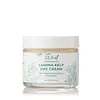
This barrier-repair day moisturizer is formulated around Cocos Nucifera Oil and Aloe Barbadensis Leaf Juice to strengthen the skin barrier and hydrate skin.
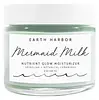
This calming moisturizer is formulated around Aloe Barbadensis Leaf Juice and Camellia Sinensis Extract to calm redness and hydrate skin.

What's inside
What's inside
 Key Ingredients
Benefits
Concerns
Ingredients Side-by-side
Water
Skin ConditioningCocos Nucifera Oil
Masking








Emulsifying Wax
Stearic Acid
Cleansing
Xanthan Gum
EmulsifyingSodium Bicarbonate
Abrasive
Tetrasodium Glutamate Diacetate
ChelatingGlycerin
Humectant

Aloe Barbadensis Leaf Juice
Skin Conditioning

Leuconostoc/Radish Root Ferment Filtrate
Antimicrobial
Lactobacillus
Skin ConditioningLecithin
Emollient
Citrus Aurantium Dulcis Flower Extract
Skin ConditioningZinc Oxide
Cosmetic Colorant


Salvia Officinalis Extract
Antimicrobial
Avena Sativa Meal Extract
SoothingCurcuma Longa Root Extract
Antioxidant
Honey
Humectant
Laminaria Digitata Extract
Skin Protecting
Lavandula Angustifolia Oil
Masking


Anthemis Nobilis Flower Oil
Masking
Butyrospermum Parkii Butter
Skin Conditioning
Simmondsia Chinensis Seed Oil
Emollient
Vitis Vinifera Oil
Perfuming
Persea Gratissima Oil
Skin Conditioning
Prunus Amygdalus Dulcis Oil
Skin Conditioning
Hamamelis Virginiana Water
Astringent
Sodium Dehydroacetate
Preservative
Potassium Sorbate
Preservative
Water, Cocos Nucifera Oil, Emulsifying Wax, Stearic Acid, Xanthan Gum, Sodium Bicarbonate, Tetrasodium Glutamate Diacetate, Glycerin, Aloe Barbadensis Leaf Juice, Leuconostoc/Radish Root Ferment Filtrate, Lactobacillus, Lecithin, Citrus Aurantium Dulcis Flower Extract, Zinc Oxide, Salvia Officinalis Extract, Avena Sativa Meal Extract, Curcuma Longa Root Extract, Honey, Laminaria Digitata Extract, Lavandula Angustifolia Oil, Anthemis Nobilis Flower Oil, Butyrospermum Parkii Butter, Simmondsia Chinensis Seed Oil, Vitis Vinifera Oil, Persea Gratissima Oil, Prunus Amygdalus Dulcis Oil, Hamamelis Virginiana Water, Sodium Dehydroacetate, Potassium Sorbate
Aloe Barbadensis Leaf Juice
Skin Conditioning
Cocos Nucifera Oil
Masking
Alcohol
Antimicrobial
Camellia Sinensis Extract
Antioxidant
Cetearyl Palmitate
EmollientSpirulina Platensis Extract
Skin ProtectingOlea Europaea Fruit Oil
Masking
Sodium Hyaluronate
Humectant

Melia Azadirachta Extract
Skin ConditioningFragaria Indica Extract
Skin ConditioningSolanum Mauritianum Extract
Skin ConditioningAloe Barbadensis Extract
Skin Conditioning
Ocimum Sanctum Leaf Extract
Skin ConditioningOcimum Basilicum Extract
Antioxidant
Curcuma Longa Root Extract
Antioxidant
Corallina Officinalis Extract
Skin Conditioning
Tanacetum Annuum Flower Oil
Masking
Carica Papaya Fruit
Skin ConditioningPassiflora Edulis Fruit
Skin ConditioningStearic Acid
Cleansing
Citric Acid
Buffering

Nonyl Alcohol
Perfuming
Aloe Barbadensis Leaf Juice, Cocos Nucifera Oil, Alcohol, Camellia Sinensis Extract, Cetearyl Palmitate, Spirulina Platensis Extract, Olea Europaea Fruit Oil, Sodium Hyaluronate, Melia Azadirachta Extract, Fragaria Indica Extract, Solanum Mauritianum Extract, Aloe Barbadensis Extract, Ocimum Sanctum Leaf Extract, Ocimum Basilicum Extract, Curcuma Longa Root Extract, Corallina Officinalis Extract, Tanacetum Annuum Flower Oil, Carica Papaya Fruit, Passiflora Edulis Fruit, Stearic Acid, Citric Acid, Nonyl Alcohol
Reviews
Alternatives
Ingredients Explained
These ingredients are found in both products.
Ingredients higher up in an ingredient list are typically present in a larger amount.
Aloe Barbadensis Leaf Juice is the filtered, stabilized liquid pressed from the inner gel of the aloe vera leaf.
In cosmetics, it shows up as either soothing active or a water-replacement base. It is roughly 98-99% water and the last 1-2% is an interesting mix of polysaccharides, amino acids, vitamins, minerals, and enzymes.
The polysaccharides do most of the work: they bind water at the skin surface for a light, non-greasy hydration boost. And one of the polysaccharides, glycomannan, is linked to fibroblast stimulation + collagen synthesis. This is also why aloe has such a long track record in wound and burn healing.
This ingredient is also calming with anti-inflammatory and mild antimicrobial activity, making it a great pick for sensitive, irritated, or post-sun skin.
Realistic expectations matter though; the solid evidence is mostly limited to hydration, soothing, and wound support. Deeper claims about anti-aging or sun protection are not well backed, and science reviews note it does not prevent radiation-induced skin injury.
Because it plays well with almost everything, it's commonly used as a base alongside other actives like niacinamide or vitamin C.
Typical usage concentrations range from 0.5% (where hydration benefits already show up) all the way to 90%+ (where it replaces water as the main base).
The safety for this ingredient is well-establish as well. Overall, this is a great supporting ingredient for those who want a boost in hydration.
Learn more about Aloe Barbadensis Leaf JuiceThis ingredient is also known as coconut oil. It is a plant-derived ingredient with skin conditioning properties.
The fatty acid profile of coconut oil is mostly lauric acid (~54%), followed by capric, caprylic, palmitic, and myristic acids. This profile allows it to penetrate easily into skin, moisturize, and improve dry skin.
A double-blind study confirmed that extra virgin coconut oil is as effective as mineral oil for treating very dry skin. Another study found it outperformed mineral oil for mild to moderate atopic dermatitis in children.
Another study from 2018 found that virgin coconut oil can soothe inflammation and boost key skin barrier proteins. Just know this evidence is still only from lab settings and not human trials.
It has also been shown to reduce Staphylococcus aureus, a bacteria that commonly overgrows in people with eczema.
Clinical testing shows very minimal skin irritation and no evidence of sensitization or phototoxicity.
Coconut oil gets flagged as a "fragrance" because it has a natural mild scent (not because it's a synthetic perfume). The European Cosmetic ingredient database also lists "perfuming" as a function of this ingredient.
Just so you know, the term "fragrance" is completely unregulated. Some brands still use botanical extracts or essential oils in their "fragrance-free" formulas, but regulatory databases technically classify these under "fragrance".
Coconut oil has a tiny and useless bit of natural SPF. Early lab studies clocked it around SPF 7-8 but a more recent study found the real number closer to SPF 1.2. It also offers no meaningful UVA protection (SPF only overs UVB rays).
The comedogenic rating of 4/5 means it has a high potential to clog pores; but it's worth noting that comedogenicity is highly individual and ratings cannot predict how an overall formula will behave on skin.
Since lauric acid is the dominant fatty acid, this ingredient may not be fungal acne safe. The Malassezia yeast feeds on fatty acids with carbon chain lengths between 11-24, and lauric acid falls within these lengths (C12).
Learn more about Cocos Nucifera OilCurcuma Longa Root Extract comes from the rhizome (underground stem) of the turmeric plant.
While the official EU Cosing Database lists this ingredient as a fragrance, it actually does more than give products a scent.
This ingredient contains a group of yellow pigments called curcuminoids (mostly curcumin) that give it genuine antioxidant and anti-inflammatory activity in skin.
Reviews of topical clinical studies have found turmeric/curcumin to be generally well-tolerated and useful across conditions like eczema and mild inflammation.
One thing working in its favor is that curcumin barely penetrates; in lab skin-permeation testing, the curcuminoids mostly stayed in the outermost layer of skin. This is a good thing because its soothing and antioxidant activity is a surface-level job anyway.
At this time, industry data shows there's no single "correct" cosmetic percentage. It's used across a wide range depending on the product and varies from tiny fractions of a percent up to a few percent.
Allergy-wise, curcumin is a documented (but uncommon) contact allergen. It can also cross react with related plants, so anyone with a turmeric/ginger/cinnamon allergy or reactive skin should patch test first.
Learn more about Curcuma Longa Root ExtractStearic Acid is a fatty acid that is already found in your skin. It's one of the free fatty acids that works alongside ceramides and cholesterols to maintain your barrier.
In cosmetics, it is a multitasker:
Safety-wise, the CIR Expert Panel has concluded it to be safe in cosmetics when formulated to be non-irritating and non-sensitizing.
Free stearic acid is a C18 fatty acid that the Malassezia yeast can substrate, so this ingredient may not be fungal acne safe.
This ingredient does have a comedogenic rating of 2-3, but this doesn't mean a formula with this ingredient will clog pores.
Human testing has proved that any finished product with this ingredient won't automatically make you break out; it really comes down to concentration, formula, and your skin.
Learn more about Stearic Acid

