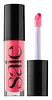
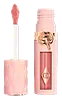
Saie Glossybounce High-Shine Hydrating Lip Gloss Oil Versus Charlotte Tilbury Pillow Talk Big Lip Plumpgasm Plumping Lip Gloss


What's inside
What's inside
 Key Ingredients
Benefits
Concerns
Ingredients Side-by-side
Ricinus Communis Seed Oil
Masking



Oleic/Linoleic/Linolenic Polyglycerides
Emollient
Copernicia Cerifera Cera
Emollient
Simmondsia Chinensis Seed Oil
Emollient

Polyhydroxystearic Acid
Emulsifying
Silica
Abrasive


Sodium Hyaluronate
Humectant


Butyrospermum Parkii Butter
Skin Conditioning

Cocos Nucifera Oil
Masking
Hydrogenated Castor Oil
Emollient
Stevia Rebaudiana Leaf/Stem Extract
Masking
Water
Skin ConditioningCitric Acid
Buffering


Caprylyl Glycol
Emollient
Sorbitan Oleate
Emulsifying
CI 77891
Cosmetic ColorantCI 77491
Cosmetic ColorantCI 77492
Cosmetic ColorantCI 77499
Cosmetic ColorantCI 17200
Cosmetic ColorantCI 15850
Cosmetic ColorantCI 15985
Cosmetic ColorantRicinus Communis Seed Oil, Oleic/Linoleic/Linolenic Polyglycerides, Copernicia Cerifera Cera, Simmondsia Chinensis Seed Oil, Polyhydroxystearic Acid, Silica, Sodium Hyaluronate, Butyrospermum Parkii Butter, Cocos Nucifera Oil, Hydrogenated Castor Oil, Stevia Rebaudiana Leaf/Stem Extract, Water, Citric Acid, Caprylyl Glycol, Sorbitan Oleate, CI 77891, CI 77491, CI 77492, CI 77499, CI 17200, CI 15850, CI 15985
Polybutene
Hydrogenated Polydecene
EmollientCaprylic/Capric Triglyceride
Masking
Hydrogenated Didecene
Skin ConditioningDiisostearyl Malate
EmollientHydrogenated Styrene/Isoprene Copolymer
Silica Silylate
Emollient
Synthetic Fluorphlogopite
Dicalcium Phosphate
Abrasive
Methyl Diisopropyl Propionamide
MaskingHelianthus Annuus Seed Oil
Emollient
Ethylhexyl Palmitate
Emollient
Ethyl Vanillin
MaskingTocopheryl Acetate
Antioxidant

Pentaerythrityl Tetra-Di-T-Butyl Hydroxyhydrocinnamate
Antioxidant
Caprylyl Glycol
Emollient
1,2-Hexanediol
Skin Conditioning
Vanillyl Butyl Ether
MaskingLupinus Albus Seed Extract
Skin ConditioningCapsicum Frutescens Resin
CleansingSilica Dimethyl Silylate
EmollientTocopherol
Antioxidant
Butylene Glycol
Humectant
Canola Oil
Emollient
Phenoxyethanol
Preservative
Glyceryl Stearates
Emollient
Sodium Hyaluronate
Humectant
Ascorbyl Palmitate
Antioxidant
Hexylene Glycol
EmulsifyingCI 77891
Cosmetic ColorantIron Oxides
CI 42090
Cosmetic ColorantCI 15850
Cosmetic ColorantPolybutene, Hydrogenated Polydecene, Caprylic/Capric Triglyceride, Hydrogenated Didecene, Diisostearyl Malate, Hydrogenated Styrene/Isoprene Copolymer, Silica Silylate, Synthetic Fluorphlogopite, Dicalcium Phosphate, Methyl Diisopropyl Propionamide, Helianthus Annuus Seed Oil, Ethylhexyl Palmitate, Ethyl Vanillin, Tocopheryl Acetate, Pentaerythrityl Tetra-Di-T-Butyl Hydroxyhydrocinnamate, Caprylyl Glycol, 1,2-Hexanediol, Vanillyl Butyl Ether, Lupinus Albus Seed Extract, Capsicum Frutescens Resin, Silica Dimethyl Silylate, Tocopherol, Butylene Glycol, Canola Oil, Phenoxyethanol, Glyceryl Stearates, Sodium Hyaluronate, Ascorbyl Palmitate, Hexylene Glycol, CI 77891, Iron Oxides, CI 42090, CI 15850
Reviews
Ingredients Explained
These ingredients are found in both products.
Ingredients higher up in an ingredient list are typically present in a larger amount.
Caprylyl Glycol is a humectant, skin conditioner, emollient, and preservative booster derived from either caprylic acid or synthetically created.
Typical use levels vary from 0.3-1% as a preservative booster and go up to 2% to condition skin.
Because it is not a free-fatty acid or alcohol, this ingredient is fungal acne safe (there's nothing for Malassezia to feed on).
Learn more about Caprylyl GlycolCi 15850 is the pigment color red. It is an azo dye and created synthetically.
Azo dyes need to be thoroughly purified before use. This allows them to be more stable and longer-lasting.
This ingredient is common in foundations, lipsticks, and blushes. This color is described as brown/orangey red.
It has many secondary names such as Red 6 and Red 7. According to a manufacturer, Red 6 usually contains aluminum.
Learn more about CI 15850Ci 77891 is a white pigment from Titanium dioxide. It is naturally found in minerals such as rutile and ilmenite.
It's main function is to add a white color to cosmetics. It can also be mixed with other colors to create different shades.
Ci 77891 is commonly found in sunscreens due to its ability to block UV rays.
Learn more about CI 77891Sodium Hyaluronate is the salt form of hyaluronic acid. It is a long sugar chain that is naturally found in your skin, joints, and connective tissue that maintains hydration and elasticity.
In skincare, it works as a humectant. It pulls water from the environment and deeper layers of skin and binds it to the surface.
Interestingly, the size of the molecule affects its behavior:
Some clinical evidence links low molecular weight versions to improved wrinkle depth, elasticity, anti-inflammatory effects, and barrier repair.
Many serums use a blend of both weights so you can get surface hydration plus longer-lasting and deeper effects.
You'll typically see concentrations between 0.1-2% for this ingredient.
Learn more about Sodium Hyaluronate
