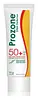
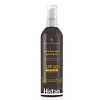
Royal Pharma Prozone DNA Defense 50 FPS Versus Histomer Histan Active Protection Special Spray SPF 30
This chemical sunscreen covers the full UV range and blocks ~98% of UVB at SPF 50.
This chemical sunscreen covers the full UV range and blocks ~97% of UVB at SPF 30.


What's inside
What's inside
 Key Ingredients
Benefits
Concerns
Ingredients Side-by-side
Water
Skin ConditioningHomosalate
Skin Conditioning

Ethylhexyl Salicylate
UV Absorber
Diethylamino Hydroxybenzoyl Hexyl Benzoate
UV Filter
Dibutyl Adipate
EmollientDiethylhexyl Butamido Triazone
UV Absorber
Polyester-5
Bis-Ethylhexyloxyphenol Methoxyphenyl Triazine
UV Absorber
Potassium Cetyl Phosphate
EmulsifyingEthylhexyl Triazone
UV Absorber
Albizia Julibrissin Bark Extract
MaskingCarnosine
Skin Conditioning

Opuntia Ficus-Indica Stem Extract
Skin Conditioning
Jojoba Esters
Emollient

Phenylbenzimidazole Sulfonic Acid
UV Absorber
Tocopherol
Antioxidant






Lecithin
Emollient
Sodium PCA
Humectant
Lactic Acid
Buffering





Ethyl Linoleate
Emollient

Ethyl Linolenate
Emollient
Polyglyceryl-3 Cocoate
Emulsifying

Glycerin
Humectant
Phenoxyethanol
Preservative
Polyglyceryl-6 Distearate
Emulsifying
Caprylyl Glycol
Emollient
Acrylates/Beheneth-25 Methacrylate Copolymer
Triethanolamine
BufferingPhenethyl Alcohol
MaskingParfum
Masking
Benzyl Salicylate
Perfuming
Citronellol
Perfuming
Limonene
Perfuming
Linalool
Perfuming
Ethylhexylglycerin
Skin ConditioningO-Cymen-5-Ol
Antimicrobial
Tetrasodium Glutamate Diacetate
ChelatingCetyl Alcohol
Emollient
Polyglyceryl-3 Beeswax
Emulsifying
Polyacrylate Crosspolymer-6
Emulsion StabilisingSodium Hydroxide
BufferingCitric Acid
Buffering
Ascorbyl Palmitate
Antioxidant
Water, Homosalate, Ethylhexyl Salicylate, Diethylamino Hydroxybenzoyl Hexyl Benzoate, Dibutyl Adipate, Diethylhexyl Butamido Triazone, Polyester-5, Bis-Ethylhexyloxyphenol Methoxyphenyl Triazine, Potassium Cetyl Phosphate, Ethylhexyl Triazone, Albizia Julibrissin Bark Extract, Carnosine, Opuntia Ficus-Indica Stem Extract, Jojoba Esters, Phenylbenzimidazole Sulfonic Acid, Tocopherol, Lecithin, Sodium PCA, Lactic Acid, Ethyl Linoleate, Ethyl Linolenate, Polyglyceryl-3 Cocoate, Glycerin, Phenoxyethanol, Polyglyceryl-6 Distearate, Caprylyl Glycol, Acrylates/Beheneth-25 Methacrylate Copolymer, Triethanolamine, Phenethyl Alcohol, Parfum, Benzyl Salicylate, Citronellol, Limonene, Linalool, Ethylhexylglycerin, O-Cymen-5-Ol, Tetrasodium Glutamate Diacetate, Cetyl Alcohol, Polyglyceryl-3 Beeswax, Polyacrylate Crosspolymer-6, Sodium Hydroxide, Citric Acid, Ascorbyl Palmitate
Ingredients Explained
These ingredients are found in both products.
Ingredients higher up in an ingredient list are typically present in a larger amount.
This ingredient is better known as bemotrizinol or Tinosorb S and is one of the best broad-spectrum UV filters in modern sunscreen.
It works by absorbing UV light across a whole range (280-400 nm) with peaks around 310 nm (UVB) and 340-345 nm (UVA). This means it covers UVB plus the deeper UVA wavelengths that drive photoaging and pigmentation.
Another pro?
It's exceptionally photostable, barely degrades in sunlight, and acts as a "bodyguard" for less stable filters.
That's why you'll see it paired with avobenzone or octinoxate; this team up ensures they keep working through sun exposure.
Safety reviews have been reassuring across the board. This ingredient shows low absorption through the skin, rarely irritates, and lab studies found it doesn't act like a hormone in the body (a concern that's been raised about some older sunscreen filters).
On maximum concentrations:
In 2026, the US F.D.A finally added it as an OTC sunscreen ingredient at concentrations up to 6% for adults / children 6 months and older
Learn more about Bis-Ethylhexyloxyphenol Methoxyphenyl TriazineCarnosine is a dipeptide made from two amino acids.
This ingredient helps:
Glycation is the process of sugars binding to and damaging proteins. Too much sugar in our skin can lead to damaged collagen, contributing to factors of aging.
Carnosine is water-soluble and is not able to travel deeper layers of skin. This leads to some doubt about whether it can boost collagen in skin, since collagen is located in the deeper layers of skin.
Fun fact: Carnosine can be naturally found in our muscles and brain.
Learn more about CarnosineDiethylhexyl Butamido Triazone (aka Iscotrizinol) is an oil-soluble organic UV filter that mainly absorbs UVB and a bit of UVA II light.
This ingredient is great at preventing sunburn but doesn't cover the deep UVA I range. This is why it's often paired with a UVA filter like Avobenzone or Bemotrizinol.
Two of its biggest selling points are efficiency and stability:
Most of the other chemical filters are considered "photostable" if they can last for two hours.
Because this ingredient is oil-loving, it can sit neatly into the oil phase of emulsions and shines in water-repellent/water-resistant formulations.
The EU and Canada allow it to be used up to 10% and Japan allows it up to 5%.
Unfortunately, it's not yet an FDA approved sunscreen agent so you won't be able to find it in sunscreens in the US.
Safety-wise, it has a pretty solid record: the EU's Scientific Committee on Consumer Safety (SCCS) has reviewed it and found low skin absorption, no capacity to produce skin irritation or photo-irritation.
In vitro testing has found less than 0.1% of the applied dose is absorbed by the skin over 24 hours (mostly due to its large molecule size).
Fun fact: This ingredient even has anti-inflammatory properties similar to those of ketoprofe, an anti-inflammatory medication.
Learn more about Diethylhexyl Butamido Triazone

