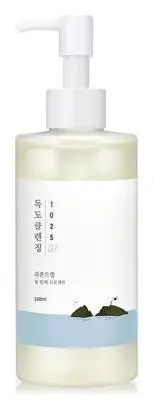

What's inside
What's inside
 Key Ingredients
No key ingredients
Benefits
Concerns
No concerns
Ingredients Side-by-side
Ethylhexyl Stearate
Emollient


Sorbeth-30 Tetraoleate
Emulsifying
Diisostearyl Malate
EmollientEthylhexylglycerin
Skin ConditioningWater
Skin ConditioningOenothera Biennis Oil
Emollient



Limnanthes Alba Seed Oil
Skin Conditioning
Persea Gratissima Oil
Skin Conditioning
Vitis Vinifera Seed Oil
Emollient
Canola Oil
Emollient
Macadamia Integrifolia Seed Oil
Skin Conditioning
Sea Water
HumectantButylene Glycol
Humectant
Allantoin
Skin Conditioning
Panthenol
Skin Conditioning
1,2-Hexanediol
Skin Conditioning
Caprylic/Capric Triglyceride
Masking
Phosphatidylcholine
EmulsifyingHyaluronic Acid
Humectant

Ceramide NP
Skin Conditioning
Glycine
Buffering
Hydrolyzed Hyaluronic Acid
Humectant
Glutamic Acid
Humectant
Serine
Masking
Sodium Hyaluronate
Humectant
Lysine
Skin ConditioningAlanine
Masking
Arginine
Masking
Threonine
Proline
Skin Conditioning
Citrus Aurantium Bergamia Fruit Oil
Masking

Salvia Officinalis Oil
Masking
Tocopherol
Antioxidant



Limonene
Perfuming



Linalool
Perfuming
Ethylhexyl Stearate, Sorbeth-30 Tetraoleate, Diisostearyl Malate, Ethylhexylglycerin, Water, Oenothera Biennis Oil, Limnanthes Alba Seed Oil, Persea Gratissima Oil, Vitis Vinifera Seed Oil, Canola Oil, Macadamia Integrifolia Seed Oil, Sea Water, Butylene Glycol, Allantoin, Panthenol, 1,2-Hexanediol, Caprylic/Capric Triglyceride, Phosphatidylcholine, Hyaluronic Acid, Ceramide NP, Glycine, Hydrolyzed Hyaluronic Acid, Glutamic Acid, Serine, Sodium Hyaluronate, Lysine, Alanine, Arginine, Threonine, Proline, Citrus Aurantium Bergamia Fruit Oil, Salvia Officinalis Oil, Tocopherol, Limonene, Linalool


Reviews
Ingredients Explained
These ingredients are found in both products.
Ingredients higher up in an ingredient list are typically present in a larger amount.
1,2-Hexanediol is a synthetic liquid and another multi-functional powerhouse.
It is a:
- Humectant, drawing moisture into the skin
- Emollient, helping to soften skin
- Solvent, dispersing and stabilizing formulas
- Preservative booster, enhancing the antimicrobial activity of other preservatives
Arginine is a semi-essential amino acid. This just means our bodies can product a bit on its own, but sometimes needs a little boost from food sources.
It is a part of your skin's natural moisturizing factor (NMF), or the water-loving molecules in your outermost layer of skin (stratum corneum) that keeps everything hydrated and happy.
Here's an interesting thing about Arginine: your skin converts it into urea through the Krebs-Henseleit urea cycle. Urea is one of the most effective humectants your skin naturally produces.
A clinical study showed applying 2.5% arginine hydrochloride to atopic dermatitis skin showed significant urea levels in the stratum corneum and improved moisture in just four weeks.
Arginine is also a precursor to nitric oxide; nitric oxide improves microcirculation and supports wound healing and collagen synthesis.
One study found that an amino acid complex containing Arginine reduced skin irritation, improved hydration, and accelerated skin repair in clinical / in-vivo studies.
Arginine itself is an amino acid and not a fatty acid, oil, or ester. On its own, it's not a direct food source for Malassezia, or the yeast that causes fungal acne.
Learn more about ArginineEthylhexylglycerin is created from glycerin. It is a multitasker ingredient that:
The CIR Expert Panel found minimal skin absorption or sensitization of any kind in a safety assessment. Though this ingredient is considered well-tolerated, a small number of cases of allergic dermatitis have been published since 2002. Just be sure to patch test if you are unsure.
Industry-reported use ranges from 8% in rinse-off products and 2% in leave-on formulations.
Learn more about Ethylhexylglycerin
