This moisturizer is formulated around Stearic Acid to hydrate skin.
This barrier-repair moisturizer is formulated around Petrolatum and Panthenol to strengthen the skin barrier and hydrate skin.


What's inside
What's inside
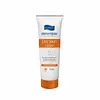 Key Ingredients
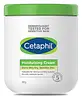
Benefits
Concerns
Ingredients Side-by-side
Water
Skin ConditioningParaffinum Liquidum
Emollient


Isopropyl Myristate
Emollient



Stearic Acid
Cleansing
Decyl Oleate
Emollient
Glyceryl Stearate Se
Emulsifying
Cetearyl Alcohol
Emollient

Tocopheryl Acetate
Antioxidant


Triethanolamine
BufferingBHT
Antioxidant
Disodium EDTA
ChelatingMethylparaben
Preservative


Imidazolidinyl Urea
Preservative
Propylparaben
Preservative
Parfum
Masking

Benzyl Salicylate
Perfuming
Butylphenyl Methylpropional
Perfuming
Hydroxycitronellal
Perfuming
Linalool
Perfuming
Water, Paraffinum Liquidum, Isopropyl Myristate, Stearic Acid, Decyl Oleate, Glyceryl Stearate Se, Cetearyl Alcohol, Tocopheryl Acetate, Triethanolamine, BHT, Disodium EDTA, Methylparaben, Imidazolidinyl Urea, Propylparaben, Parfum, Benzyl Salicylate, Butylphenyl Methylpropional, Hydroxycitronellal, Linalool
Water
Skin ConditioningGlycerin
Humectant

Petrolatum
Emollient
Dicaprylyl Ether
Emollient
Dimethicone
Emollient
Glyceryl Stearate
Emollient
Cetyl Alcohol
Emollient
Helianthus Annuus Seed Oil
Emollient
PEG-30 Stearate
Emulsifying
Panthenol
Skin Conditioning

Niacinamide
Smoothing






Prunus Amygdalus Dulcis Oil
Skin Conditioning
Tocopherol
Antioxidant
Tocopheryl Acetate
Antioxidant
Pantolactone
Humectant
Dimethiconol
Emollient
Acrylates/C10-30 Alkyl Acrylate Crosspolymer
Emulsion StabilisingCarbomer
Emulsion StabilisingPropylene Glycol
Humectant
BHT
Antioxidant
Disodium EDTA
ChelatingBenzyl Alcohol
Perfuming
Phenoxyethanol
Preservative
Sodium Hydroxide
BufferingCitric Acid
Buffering
Water, Glycerin, Petrolatum, Dicaprylyl Ether, Dimethicone, Glyceryl Stearate, Cetyl Alcohol, Helianthus Annuus Seed Oil, PEG-30 Stearate, Panthenol, Niacinamide, Prunus Amygdalus Dulcis Oil, Tocopherol, Tocopheryl Acetate, Pantolactone, Dimethiconol, Acrylates/C10-30 Alkyl Acrylate Crosspolymer, Carbomer, Propylene Glycol, BHT, Disodium EDTA, Benzyl Alcohol, Phenoxyethanol, Sodium Hydroxide, Citric Acid
Reviews
Ingredients Explained
These ingredients are found in both products.
Ingredients higher up in an ingredient list are typically present in a larger amount.
BHT is a synthetic antioxidant and preservative.
As an antioxidant, it helps your body fight off free-radicals. Free-radicals are molecules that may damage your skin cells.
As a preservative, it is used to stabilize products and prevent them from degrading. Specifically, BHT prevents degradation from oxidation.
The concerns related to BHT come from oral studies; this ingredient is currently allowed for use by both the FDA and EU.
However, it was recently restricted for use in the UK as of April 2024.
Learn more about BHTDisodium EDTA is a chelating agent. It grabs onto and deactivates metal ions that sneak into your products from water, packaging, or air.
This ingredient mainly works behind the scenes and helps with:
On top of that, this ingredient can counteract the effects of hard water by binding to the minerals in it.
One thing worth knowing is that Disodium EDTA has been shown to be a mild penetration enhancer. It can help other ingredients absorb into skin more effectively which can be a double-edged sword (great for actives, but can also make the active too strong if you have sensitive skin).
Clinical patch testing showed no significant skin irritation at typical use concentrations and minimal dermal absorption.
You'll most likely see this ingredient near the end of an ingredient list. It's typically found in concentrations less than 1%.
Learn more about Disodium EDTATocopheryl Acetate is a stable, shelf-friendly form of vitamin E.
Formulators love it because plain vitamin E oxidizes quickly once it hits air. This acetate version stays stable and resists going off, helping to extend a product's shelf life.
It's actually inactive on its own and works like a slow-release "storage" form; the enzymes in your skin called esterases gradually convert it into active vitamin E over time.
One in vivo study showed 5% of the acetate in the living layer of the epidermis converted to vitamin E after 5 days of application. This study also found the skin gained protection against UV damage even though the conversion was slow and small.
Once converted, vitamin E acts as a skin's main fat-soluble antioxidant that fights free radicals to protect skin from damage.
Topical vitamin E generally boosts the skin's photoprotection, and it reduced UV-damage in animal models.
This ingredient has some brightening potential but it's more of a prevention ingredient than spot-fader. Cell studies show it can slow down melanin production but it's worth noting that it's not the most powerful brightener out there.
Overall, it has a pretty solid safety profile and has been found to be non-irritating and non-comedogenic. Allergic reactions may happen but stay rare due to how widely the ingredient gets used.
The concentration will vary depending on the formula; industry data shows 0.1% in baby lotions, 3% in lipsticks, and 5% in foot powders. You can also find this ingredient at 100% in a pure vitamin E oil.
Most leave-on skincare keeps it at the lower end, often between 0.5-1%.
Learn more about Tocopheryl AcetateWater. It's the most common cosmetic ingredient of all. You'll usually see it at the top of ingredient lists, meaning that it makes up the largest part of the product.
So why is it so popular? Water most often acts as a solvent - this means that it helps dissolve other ingredients into the formulation.
You'll also recognize water as that liquid we all need to stay alive. If you see this, drink a glass of water. Remember to stay hydrated!
Learn more about Water

