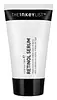
This anti-aging serum is formulated around Retinol to soften the look of wrinkles and refine skin texture.
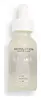
This anti-aging serum is formulated around Retinyl Acetate and Palmitoyl Tetrapeptide-7 to soften the look of wrinkles and refine skin texture.

What's inside
What's inside
 Key Ingredients
Benefits
Concerns
Ingredients Side-by-side





Water
Skin ConditioningGlycerin
Humectant


Butylene Glycol
Humectant
Propanediol
Solvent
Dicaprylyl Carbonate
EmollientRetinyl Acetate
Skin Conditioning


Dimethicone
Emollient
Phenoxyethanol
Preservative
Hydroxyethyl Acrylate/Sodium Acryloyldimethyl Taurate Copolymer
Emulsion StabilisingCaprylyl Glycol
Emollient
Phospholipids
Skin Conditioning
Squalane
Emollient
Glycine Soja Oil
Emollient






Carbomer
Emulsion StabilisingPolysorbate 60
Emulsifying
Tocopheryl Acetate
Antioxidant

Glycolipids
Skin ConditioningSodium Hydroxide
BufferingSodium Phytate
ChelatingSorbitan Isostearate
Emulsifying
Glycine Soja Sterols
Emollient
Tetrahexyldecyl Ascorbate
Antioxidant



Leuconostoc/Radish Root Ferment Filtrate
Antimicrobial
Hyaluronic Acid
Humectant
Sodium Lactate
Buffering
Tocopherol
Antioxidant
Polysorbate 20
Emulsifying
Palmitoyl Tetrapeptide-7
Skin Conditioning
Palmitoyl Tripeptide-1
Skin Conditioning
Water, Glycerin, Butylene Glycol, Propanediol, Dicaprylyl Carbonate, Retinyl Acetate, Dimethicone, Phenoxyethanol, Hydroxyethyl Acrylate/Sodium Acryloyldimethyl Taurate Copolymer, Caprylyl Glycol, Phospholipids, Squalane, Glycine Soja Oil, Carbomer, Polysorbate 60, Tocopheryl Acetate, Glycolipids, Sodium Hydroxide, Sodium Phytate, Sorbitan Isostearate, Glycine Soja Sterols, Tetrahexyldecyl Ascorbate, Leuconostoc/Radish Root Ferment Filtrate, Hyaluronic Acid, Sodium Lactate, Tocopherol, Polysorbate 20, Palmitoyl Tetrapeptide-7, Palmitoyl Tripeptide-1
Reviews
Ingredients Explained
These ingredients are found in both products.
Ingredients higher up in an ingredient list are typically present in a larger amount.
Polysorbate 20 is a gentle, water-soluble emulsifier and mild surfactant. It stops oil and water from separating to keep your formulas blended and stable.
It also acts as a mild penetration enhancer by helping active ingredients absorb slightly better.
The common safety discussion around this ingredient involves a manufacturing byproduct called 1,4-dioxane.
Trace amounts can form during production but the EU's Scientific Committee on Consumer Safety has concluded that levels at/below 10 ppm in finished products are safe (commercial products consistently fall within acceptable margins).
True allergic reactions are uncommon and the CIR Expert Panel has confirmed this ingredient to be safe as used in cosmetics.
Because it is derived from lauric acid, it may not be fungal acne safe.
Learn more about Polysorbate 20

