Revolution Beauty 1% Salicylic Acid & Marshmallow Extract Gentle Blemish Serum Versus The Body Shop Tea Tree Anti Imperfection Daily Solution
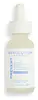
This acne serum is formulated around Salicylic Acid and Althaea Officinalis Root Extract to clear breakouts and refine the look of pores.
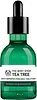
This acne serum is formulated around Melaleuca Alternifolia Leaf Oil and Salicylic Acid to clear breakouts and balance excess oil.

What's inside
What's inside
 Key Ingredients
Benefits
Concerns
Ingredients Side-by-side
Water
Skin ConditioningPropanediol
Solvent

Hamamelis Virginiana Water
Astringent



Glycerin
Humectant
Alcohol Denat.
Antimicrobial
Polysorbate 20
Emulsifying
Butylene Glycol
Humectant
Salicylic Acid
Masking






Phenoxyethanol
Preservative
Cocamidopropyl Betaine
Cleansing
Xanthan Gum
EmulsifyingSodium Hydroxide
BufferingSodium Chloride
MaskingEthylhexylglycerin
Skin ConditioningDisodium EDTA
ChelatingAlthaea Officinalis Root Extract
Skin Conditioning
Citrus Aurantium Dulcis Fruit Extract
MaskingChamomilla Recutita Flower Extract
Masking

Sodium Benzoate
Masking
Water, Propanediol, Hamamelis Virginiana Water, Glycerin, Alcohol Denat., Polysorbate 20, Butylene Glycol, Salicylic Acid, Phenoxyethanol, Cocamidopropyl Betaine, Xanthan Gum, Sodium Hydroxide, Sodium Chloride, Ethylhexylglycerin, Disodium EDTA, Althaea Officinalis Root Extract, Citrus Aurantium Dulcis Fruit Extract, Chamomilla Recutita Flower Extract, Sodium Benzoate
Water
Skin ConditioningAlcohol Denat.
Antimicrobial
Propanediol
Solvent
PPG-26-Buteth-26
Skin ConditioningPhenoxyethanol
Preservative
PEG-40 Hydrogenated Castor Oil
Emulsifying
Melaleuca Alternifolia Leaf Oil
Antioxidant


Caprylyl Glycol
Emollient
Ammonium Acryloyldimethyltaurate/Vp Copolymer
Salicylic Acid
Masking
Xanthan Gum
EmulsifyingCalophyllum Inophyllum Seed Oil
Antimicrobial
Disodium EDTA
ChelatingMedicago Sativa Extract
TonicPotassium Hydroxide
BufferingAloe Barbadensis Leaf Juice Powder
Skin Conditioning
Limonene
Perfuming
Sodium Hyaluronate
Humectant

Citral
Perfuming
T-Butyl Alcohol
Perfuming
Sodium Benzoate
Masking
Citronellol
Perfuming
Leptospermum Petersonii Oil
Masking
Tocopherol
Antioxidant

Water, Alcohol Denat., Propanediol, PPG-26-Buteth-26, Phenoxyethanol, PEG-40 Hydrogenated Castor Oil, Melaleuca Alternifolia Leaf Oil, Caprylyl Glycol, Ammonium Acryloyldimethyltaurate/Vp Copolymer, Salicylic Acid, Xanthan Gum, Calophyllum Inophyllum Seed Oil, Disodium EDTA, Medicago Sativa Extract, Potassium Hydroxide, Aloe Barbadensis Leaf Juice Powder, Limonene, Sodium Hyaluronate, Citral, T-Butyl Alcohol, Sodium Benzoate, Citronellol, Leptospermum Petersonii Oil, Tocopherol
Ingredients Explained
These ingredients are found in both products.
Ingredients higher up in an ingredient list are typically present in a larger amount.
Alcohol Denat. is an alcohol with a denaturant property. It is created by mixing ethanol with other additives.
The "denat" part just means "denatured"; common denaturants include Denatonium Benzoate, t-butyl alcohol, and Diethyl Phthalate. This step makes the alcohol undrinkable (and lets brand skip taxes related to beverage alcohol).
This ingredient gets a bad rep because it is irritating and drying due to its astringent property. Astringents draw out natural oils in tissue to constrict pores and dry out your skin.
However, alcohol denat. is not all that bad.
Due to its low molecular weight, alcohol denat. tends to evaporate quickly. One study on pig skin found half of applied alcohol evaporated in 10 seconds and less than 3% stayed on skin.
This also helps other ingredients become better absorbed upon application.
Studies are conflicted about whether this ingredient causes skin dehydration. One study from 2005 found adding emollients to propanol-based sanitizer decreased skin dryness and irritation. Another study found irritation only occurs if your skin is already damaged.
Small amounts of alcohol are generally tolerated by oily skin or people who live in humid environments.
The rule of thumb is this ingredient will probably not affect your skin much if it is near the end of an ingredients list.
One thing to note:
People with ALDH2 (aldehyde dehydrogenase 2) deficiency may experience skin irritation from continued alcohol use. About 8% of the world's population have this deficiency.
The Cosmetic Ingredient Review Expert Panel has determined denatured alcohols to be safe for use in concentrations between 0.05% and 12% (depending on which denaturant is used).
Also...
This ingredient has antimicrobial and solvent properties.
The antimicrobial property helps preserve products and increase their shelf life. As a solvent, it helps dissolve other ingredients.
Look for formulas that contain glycerin, hyaluronic acid, or panthenol if you want to offset any drying effect.
This ingredient will trip away your skin's natural oils/lipids that help it lock in moisture. This can worsen dryness, trigger eczema flare-ups, and aggravate rosacea.
Be sure to patch test any product with this ingredient if you have dry or sensitive skin, eczema, or rosacea.
Learn more about Alcohol Denat.Disodium EDTA is a chelating agent. It grabs onto and deactivates metal ions that sneak into your products from water, packaging, or air.
This ingredient mainly works behind the scenes and helps with:
On top of that, this ingredient can counteract the effects of hard water by binding to the minerals in it.
One thing worth knowing is that Disodium EDTA has been shown to be a mild penetration enhancer. It can help other ingredients absorb into skin more effectively which can be a double-edged sword (great for actives, but can also make the active too strong if you have sensitive skin).
Clinical patch testing showed no significant skin irritation at typical use concentrations and minimal dermal absorption.
You'll most likely see this ingredient near the end of an ingredient list. It's typically found in concentrations less than 1%.
Learn more about Disodium EDTAPhenoxyethanol is one of the most widely used preservatives in skincare (and for good reason!).
It has a large spectrum of antimicrobial activity and especially effective bacteria, yeast, and mold while only having a weak effect on your skin's natural microbiome.
On a cellular level, it disrupts the cell membranes of microbes by poking holes that make the cell leak. This shuts down the chemical reactions the microbe needs to make energy so it can no longer survive.
Another perk of this ingredient is that it stays functional across a wide pH range (3-10).
You'll often see it paired with boosters like Ethylhexylglycerin; one study showed that a 1:9 ratio of Ethylhexylglycerin to Phenoxyethanol damages bacterial membranes as effectively as doubling the Phenoxyethanol concentration on its own.
Typical use concentrations range from 0.3-1% depending on the formula, and this ingredient is capped at 1% int the EU.
Safety-wise, the fear mongering does not hold up to the evidence. The EU's Scientific Committee on Consumer Safety and FDA consider it safe as a preservative at up to 1%, including for children of all ages.
Adverse systemic effects only showed up in animal studies at exposures roughly 200x higher than what people get from cosmetics. And despite its very widespread use, this ingredient is a rare sensitizer and allergic reactions are uncommon.
Learn more about PhenoxyethanolPropanediol is an all-star ingredient. It softens, hydrates, and smooths the skin.
It’s often used to:
Propanediol is not likely to cause sensitivity and considered safe to use. It is derived from corn or petroleum with a clear color and no scent.
Learn more about PropanediolSalicylic Acid (also known as beta hydroxy acid or BHA) is a well-known ingredient for treating skin that struggles with acne and clogged pores. It exfoliates both the skin's surface and deep within the pores to help clear out buildup, control oil, and reduce inflammation.
Unlike AHAs (alpha hydroxy acids), salicylic acid is oil-soluble. This allows it to penetrate into pores which makes it especially effective for treating blackheads and preventing future breakouts.
Salicylic acid is also known for its soothing properties. It has a similar structure to aspirin and can calm inflamed or irritated skin, making it a good option for acne-prone skin that is also sensitive.
Concentrations of 0.5-2% are recognized by the U.S. FDA as an over-the-counter topical acne product.
It can cause irritation and/or dryness if one's skin already has a compromised moisture barrier, so it's best to focus on repairing that before introducing this ingredient into your routine.
While salicylic acid does not increase sun sensitivity, it’s still important to wear sunscreen daily to protect your skin.
If you are looking for the ingredient called BHA or Butylated Hydroxyanisole, click here.
Learn more about Salicylic AcidSodium Benzoate is a preservative. It's used in both cosmetic and food products to inhibit the growth of mold and bacteria. It is typically produced synthetically.
Both the US FDA and EU Health Committee have approved the use of sodium benzoate. In the US, levels of 0.1% (of the total product) are allowed.
Sodium benzoate works as a preservative by inhibiting the growth of bacteria inside of cells. It prevents the cell from fermenting a type of sugar using an enzyme called phosphofructokinase.
It is the salt of benzoic acid. Foods containing sodium benzoate include soda, salad dressings, condiments, fruit juices, wines, and snack foods.
Studies for using ascorbic acid and sodium benzoate in cosmetics are lacking, especially in skincare routines with multiple steps.
We always recommend speaking with a professional, such as a dermatologist, if you have any concerns.
Learn more about Sodium BenzoateWater. It's the most common cosmetic ingredient of all. You'll usually see it at the top of ingredient lists, meaning that it makes up the largest part of the product.
So why is it so popular? Water most often acts as a solvent - this means that it helps dissolve other ingredients into the formulation.
You'll also recognize water as that liquid we all need to stay alive. If you see this, drink a glass of water. Remember to stay hydrated!
Learn more about WaterXanthan gum is used as a stabilizer and thickener within cosmetic products. It helps give products a sticky, thick feeling - preventing them from being too runny.
On the technical side of things, xanthan gum is a polysaccharide - a combination consisting of multiple sugar molecules bonded together.
Xanthan gum is a pretty common and great ingredient. It is a natural, non-toxic, non-irritating ingredient that is also commonly used in food products.
Learn more about Xanthan Gum

