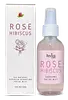
This calming treatment is formulated around Aloe Barbadensis Leaf Juice and Rosa Damascena Flower Water to calm redness and hydrate skin.
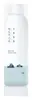
This hydrating toner is formulated around Panthenol and Dipotassium Glycyrrhizate to hydrate skin and calm redness.


What's inside
What's inside
 Key Ingredients
Benefits
Concerns
Ingredients Side-by-side
Aloe Barbadensis Leaf Juice
Skin Conditioning


Glycerin
Humectant

Rosa Damascena Flower Water
Masking
Heptyl Glucoside
SurfactantPhenethyl Alcohol
MaskingPetroleum Distillates
SolventCaprylhydroxamic Acid
ChelatingHamamelis Virginiana Leaf Extract
Skin Conditioning

Passiflora Incarnata Fruit Extract
Skin ConditioningSodium Cocoyl/Stearoyl (Alanine/Arginine/Asparagine/Aspartic Acid/Glutamic Acid/Glutamine/Glycine/Histidine/Isoleucine/Leucine/Lysine/Phenylalanine/Proline/Serine/Threonine/Tyrosine/Valine)
Emollient
Hyaluronic Acid
Humectant

Epilobium Angustifolium Flower/Leaf/Stem Extract
Skin ConditioningMelia Azadirachta Flower Extract
Skin ConditioningOlus Oil
Emollient



Coccinia Indica Fruit Extract
Skin Conditioning
Aloe Barbadensis Leaf Juice, Glycerin, Rosa Damascena Flower Water, Heptyl Glucoside, Phenethyl Alcohol, Petroleum Distillates, Caprylhydroxamic Acid, Hamamelis Virginiana Leaf Extract, Passiflora Incarnata Fruit Extract, Sodium Cocoyl/Stearoyl (Alanine/Arginine/Asparagine/Aspartic Acid/Glutamic Acid/Glutamine/Glycine/Histidine/Isoleucine/Leucine/Lysine/Phenylalanine/Proline/Serine/Threonine/Tyrosine/Valine), Hyaluronic Acid, Epilobium Angustifolium Flower/Leaf/Stem Extract, Melia Azadirachta Flower Extract, Olus Oil, Coccinia Indica Fruit Extract
Water
Skin ConditioningPropanediol
Solvent
Butylene Glycol
Humectant
Glycerin
Humectant
Pentylene Glycol
Skin Conditioning
1,2-Hexanediol
Skin Conditioning
Sea Water
HumectantPanthenol
Skin Conditioning
Hyaluronic Acid
Humectant
Hydrolyzed Hyaluronic Acid
Humectant
Sodium Hyaluronate
Humectant
Glyceryl Glucoside
Humectant
Dipotassium Glycyrrhizate
Humectant
Xylitol
Humectant
Bacillus Ferment
Skin Conditioning
Micrococcus Lysate
Skin ConditioningBetaine
Humectant
Allantoin
Skin Conditioning
Chlorella Vulgaris Extract
Skin ConditioningGlucose
Humectant
Fructooligosaccharides
Humectant
Fructose
Humectant
Sodium PCA
Humectant
Ethylhexylglycerin
Skin ConditioningSodium Phytate
ChelatingPolyglyceryl-2 Oleate
Emulsifying
Tromethamine
BufferingTocopherol
Antioxidant



Carbomer
Emulsion StabilisingNitrogen
Water, Propanediol, Butylene Glycol, Glycerin, Pentylene Glycol, 1,2-Hexanediol, Sea Water, Panthenol, Hyaluronic Acid, Hydrolyzed Hyaluronic Acid, Sodium Hyaluronate, Glyceryl Glucoside, Dipotassium Glycyrrhizate, Xylitol, Bacillus Ferment, Micrococcus Lysate, Betaine, Allantoin, Chlorella Vulgaris Extract, Glucose, Fructooligosaccharides, Fructose, Sodium PCA, Ethylhexylglycerin, Sodium Phytate, Polyglyceryl-2 Oleate, Tromethamine, Tocopherol, Carbomer, Nitrogen
Alternatives
Ingredients Explained
These ingredients are found in both products.
Ingredients higher up in an ingredient list are typically present in a larger amount.
Glycerin (or glycerol) is a compound naturally found in your skin. It's a powerhouse humectant that pulls water into the stratum corneum.
Topically, glycerin does several things at once:
Your skin makes glycerin on its own (mostly from sebaceous oil breakdown) and shuttles it to your outermost layer of skin, or your epidermis, via aquaporin-3.
Aquaporin-3 is a transporter that is essential for normal skin hydration, elasticity, and repair. Interestingly, mice lacking in AQP3 have dry and less elastic skin that can be fully corrected with glycerin.
This ingredient is non-irritating, plays well with almost every ingredient, and works across all skin types. Typical use is anywhere between 3-10% but can go up to 79% in some leave-on products.
Just know very high concentrations (>40%) can feel tacky in low humidity.
Glycerin is the name for this ingredient in American English. British English uses Glycerol/Glycerine.
Learn more about GlycerinHyaluronic acid (HA) is a glycosaminoglycan (basically a long sugar chain) that your skin already makes on its own. In your skin, HA lives in the extracellular matrix and acts as the body's moisture reservoir.
Topically, HA is a humectant that binds water and helps skin look more plump, smooth, and hydrated.
The only catch is that HA isn't a single thing; it actually comes in a wide range of molecular weights (~50 - 2,000+ kDA) and size matters.
Some clinical evidence links low molecular weight versions to improved wrinkle depth, elasticity, anti-inflammatory effects, and barrier repair.
This is why the best HA serums blend the two sizes together so you get the best of both worlds.
The majority of cosmetic HA is produced by bacterial fermentation, typically using Streptococcus or Bacillus strains. Typical use levels in skincare sit around 0.1-2%.
A clinical study using a 0.2% low-molecular weight HA gel showed improvement in facial seborrheic dermatitis with excellent tolerance.
These are some other common types of Hyaluronic Acid:
Learn more about Hyaluronic Acid

