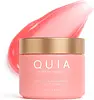
This anti-aging moisturizer is formulated around Niacinamide and Sodium DNA to soften the look of wrinkles and brighten dull-looking skin.
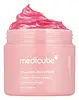
This anti-aging moisturizer is formulated around Niacinamide to soften the look of wrinkles.

What's inside
What's inside
 Key Ingredients
Benefits
Concerns
Ingredients Side-by-side
Water
Skin ConditioningPropylene Glycol
Humectant


Dipropylene Glycol
HumectantButylene Glycol
Humectant
Methylpropanediol
SolventDiethoxyethyl Succinate
SolventNiacinamide
Smoothing










Trehalose
Humectant
1,2-Hexanediol
Skin Conditioning
Chlorella Vulgaris Extract
Skin ConditioningSodium DNA
Skin Conditioning
Collagen
Moisturising
Hydrolyzed Collagen
Emollient
Lilium Candidum Bulb Extract
Skin ConditioningRosa Rugosa Flower Extract
Skin ConditioningSoluble Collagen
Humectant
Allium Sativum Bulb Extract
Skin ConditioningAvena Sativa Kernel Extract
Abrasive

Bertholletia Excelsa Seed Extract
Skin ConditioningBrassica Oleracea Italica Extract
AstringentCamellia Sinensis Seed Extract
Humectant
Salmon Egg Extract
Solanum Lycopersicum Fruit Extract
Antioxidant
Spinacia Oleracea Leaf Extract
Skin ConditioningVitis Vinifera Juice Extract
Antioxidant
Trimethylamine Oxide
HumectantGlucose
Humectant
Ethylhexylglycerin
Skin ConditioningFructooligosaccharides
Humectant
Fructose
Humectant
Adenosine
Skin Conditioning
Phytic Acid
Chelating
Cyanocobalamin
Skin ConditioningTocopherol
Antioxidant
Foeniculum Vulgare Fruit Extract
EmollientGlycerin
Humectant
Sodium Hyaluronate
Humectant
Squalane
Emollient
Soluble Proteoglycan
Skin ConditioningHydrolyzed Elastin
EmollientWater, Propylene Glycol, Dipropylene Glycol, Butylene Glycol, Methylpropanediol, Diethoxyethyl Succinate, Niacinamide, Trehalose, 1,2-Hexanediol, Chlorella Vulgaris Extract, Sodium DNA, Collagen, Hydrolyzed Collagen, Lilium Candidum Bulb Extract, Rosa Rugosa Flower Extract, Soluble Collagen, Allium Sativum Bulb Extract, Avena Sativa Kernel Extract, Bertholletia Excelsa Seed Extract, Brassica Oleracea Italica Extract, Camellia Sinensis Seed Extract, Salmon Egg Extract, Solanum Lycopersicum Fruit Extract, Spinacia Oleracea Leaf Extract, Vitis Vinifera Juice Extract, Trimethylamine Oxide, Glucose, Ethylhexylglycerin, Fructooligosaccharides, Fructose, Adenosine, Phytic Acid, Cyanocobalamin, Tocopherol, Foeniculum Vulgare Fruit Extract, Glycerin, Sodium Hyaluronate, Squalane, Soluble Proteoglycan, Hydrolyzed Elastin
Water
Skin ConditioningPropanediol
Solvent
Dipropylene Glycol
HumectantButylene Glycol
Humectant
Methylpropanediol
SolventDiethoxyethyl Succinate
SolventEthoxydiglycol
HumectantAmmonium Acryloyldimethyltaurate/Beheneth-25 Methacrylate Crosspolymer
Emulsion StabilisingNiacinamide
Smoothing
Trehalose
Humectant
1,2-Hexanediol
Skin Conditioning
Chlorella Vulgaris Extract
Skin ConditioningCollagen
Moisturising
Hydrolyzed Collagen
Emollient
Cynanchum Atratum Extract
Skin ConditioningAlthaea Rosea Flower Extract
Skin ConditioningSoluble Collagen
Humectant
Allium Sativum Bulb Extract
Skin ConditioningAvena Sativa Kernel Extract
Abrasive
Bertholletia Excelsa Seed Extract
Skin ConditioningBrassica Oleracea Italica Extract
AstringentCamellia Sinensis Seed Extract
Humectant
Salmon Egg Extract
Solanum Lycopersicum Fruit Extract
Antioxidant
Spinacia Oleracea Leaf Extract
Skin ConditioningVaccinium Angustifolium Fruit Extract
Skin Protecting
Wine Extract
Antioxidant
Polyglyceryl-10 Isostearate
Skin Conditioning
Tromethamine
BufferingGlucose
Humectant
Polyglyceryl-10 Oleate
Skin Conditioning
Ethylhexylglycerin
Skin ConditioningFructooligosaccharides
Humectant
Fructose
Humectant
Adenosine
Skin Conditioning
Sodium Phytate
ChelatingCyanocobalamin
Skin ConditioningTocopherol
Antioxidant
Pullulan
Glycerin
Humectant
Hydroxypropyltrimonium Hyaluronate
Squalane
Emollient
Soluble Proteoglycan
Skin ConditioningHydrolyzed Elastin
EmollientSodium DNA
Skin Conditioning
Carbomer
Emulsion StabilisingXanthan Gum
EmulsifyingParfum
Masking

Water, Propanediol, Dipropylene Glycol, Butylene Glycol, Methylpropanediol, Diethoxyethyl Succinate, Ethoxydiglycol, Ammonium Acryloyldimethyltaurate/Beheneth-25 Methacrylate Crosspolymer, Niacinamide, Trehalose, 1,2-Hexanediol, Chlorella Vulgaris Extract, Collagen, Hydrolyzed Collagen, Cynanchum Atratum Extract, Althaea Rosea Flower Extract, Soluble Collagen, Allium Sativum Bulb Extract, Avena Sativa Kernel Extract, Bertholletia Excelsa Seed Extract, Brassica Oleracea Italica Extract, Camellia Sinensis Seed Extract, Salmon Egg Extract, Solanum Lycopersicum Fruit Extract, Spinacia Oleracea Leaf Extract, Vaccinium Angustifolium Fruit Extract, Wine Extract, Polyglyceryl-10 Isostearate, Tromethamine, Glucose, Polyglyceryl-10 Oleate, Ethylhexylglycerin, Fructooligosaccharides, Fructose, Adenosine, Sodium Phytate, Cyanocobalamin, Tocopherol, Pullulan, Glycerin, Hydroxypropyltrimonium Hyaluronate, Squalane, Soluble Proteoglycan, Hydrolyzed Elastin, Sodium DNA, Carbomer, Xanthan Gum, Parfum
Reviews
Ingredients Explained
These ingredients are found in both products.
Ingredients higher up in an ingredient list are typically present in a larger amount.
1,2-Hexanediol is a synthetic liquid and another multi-functional powerhouse.
It is a:
- Humectant, drawing moisture into the skin
- Emollient, helping to soften skin
- Solvent, dispersing and stabilizing formulas
- Preservative booster, enhancing the antimicrobial activity of other preservatives
Adenosine is a purine nucleoside that your body already makes in every cell. In skincare, it acts mainly as a skin conditioning and anti-aging agent.
The way it works is fairly well mapped out:
Your skin has cells called fibroblasts that build collagen (the stuff that keeps skin firm and smooth). Adenosine basically flips a switch on these cells that tells them to get to work making more collagen and other proteins. These cells slow down on their own as skin ages, so Adenosine helps give them a little nudge to keep going.
The clinical backing is pretty solid too.
A blind, randomized, placebo-controlled trial of 126 women aged 45-65 tested a 0.1% cream twice daily and found real improvements in crow's feet and frown lines using a precise 3D skin-mapping technique; these changes showed up by week 3 and held at 2 months.
A later study using Adenosine-loaded dissolving microneedle patches reported gains in wrinkle depth, dermal density, elasticity, and hydration.
On concentrations, South Korea's Ministry of Food and Drug Safety has set 0.04% as the approved functional anti-wrinkle level. You'll typically see this ingredient used somewhere in the 0.04-0.1% range since it works at low doses.
This ingredient has been found safe for cosmetics with the data showing no irritation or sensitization.
Overall, this is a great ingredient for any anti-aging routine and has no photosensitizing effect, so it suits both AM and PM use.
Learn more about AdenosineThis ingredient is also known as garlic extract.
Avena Sativa Kernel Extract is is derived from colloidal oatmeal. Besides being a healthy breakfast, oats have many benefits in skincare too.
This ingredient helps sooth, hydrate, and protect the skin. The starches in colloidal oatmeal are able to bind water, keeping the skin hydrated.
The cellulose and fiber in colloidal oatmeal help reduce inflammation. This can also help the skin feel softer.
Colloidal Oatmeal is also an antioxidant. Antioxidants protect our skin from free-radical damage.
Oatmeal also contains beneficial compounds:
This ingredient is created by mixing grounded oatmeal and a liquid base.
Learn more about Avena Sativa Kernel ExtractWe don't have a description for Bertholletia Excelsa Seed Extract yet.
You might know Brassica Oleracea Italica as Broccoli. Broccoli is rich in antioxidants.
Broccoli extract is rich in antioxidants. Antioxidants help fight free-radical molecules. These unstable molecules may damage your skin cells. By helping to stabilize them, antioxidants may help with anti-aging. Beta-carotene, vitamin A, and vitamin C are three types of antioxidants found in broccoli.
Broccoli is also rich in fatty acids such as oleic and linoleic acids.
Brassica Oleracea Italica Extract can be extracted from any part of the broccoli plant.
Learn more about Brassica Oleracea Italica ExtractButylene Glycol (or BG) is used within cosmetic products for a few different reasons:
Overall, Butylene Glycol is a safe and well-rounded ingredient that works well with other ingredients.
Though this ingredient works well with most skin types, some people with sensitive skin may experience a reaction such as allergic rashes, closed comedones, or itchiness.
Learn more about Butylene GlycolCamellia Sinensis Seed Extract comes from the tea plant seed. The leaves of this plant are used to make white, green, oolong, and black tea.
Tea plant seeds contain oleic acid, Vitamin E and polyphenols.
Chlorella Vulgaris Extract comes from a single-celled green freshwater algae.
The version used in skincare is almost always a water or glycerin-based extract that is basically the algae's amino acids, peptides, sugars, and chlorophyll pigments.
It acts as a skin-conditioning agent and the research behind it at this time is mostly lab-dish rather than human trials.
Isolated Chlorella peptides inhibit collagenase and elastase (the enzymes that chew up collagen and elastin) and mop up free radicals in test-tube assays. Another study found a Chlorella gel sped up wound healing in mice. Many of the firming or dark-circle claims come from the ingredient supplier's own studies.
Suppliers suggest using 1-2% of the trade version (Water/Glycerin + Chlorella Vulgaris Extract) in a finished formula which means the actual algae solids are a fraction of a percent.
Allergy risk is low and topical reactions are rare; the 2020 anaphylaxis case came from eating Chlorella supplements and not from putting it on skin.
However, patch testing is sensible if you have reacted to algae before.
The "chlorella is high in iodine so it breaks you out" line borrows from marine seaweed. Freshwater Chlorella isn't a notable iodine source unless it's deliberately grown in iodine-enriched medium.
Just so you know, many lists give algae a comedogenic rating of 5 and that number doesn't come from anywhere; it's not in the original rabbit-ear studies that most comedogenic ratings trace back to.
The reasoning behind the reputation is that seaweed is high in iodine and iodine can trigger acne-like breakouts when eaten. This traces back to a 1976 letter in Archives of Dermatology describing two women whose breakouts cleared after they stopped taking high-dose kelp supplements orally.
And the reaction of these two women wasn't clogged pores at all: it was an iodine-triggered pustular rash. Later research found normal dietary iodine doesn't meaningfully affect acne either and nobody has shown topical algae delivers enough iodine to matter.
Learn more about Chlorella Vulgaris ExtractCollagen is a big structural protein that your body uses to keep skin firm and bouncy. Despite the marketing, topically applied collagen doesn't "refill" the collagen in your skin.
The molecule is too big to pass through your skin barrier so intact Collagen physically can't get past the surface.
What it actually does in your skincare is work as a humectant and film-former: it binds water, lays down a light moisturizing film, and reduces water loss from the surface. This helps make skin feel smoother and temporarily plumper.
This ingredient has been found safe for use in cosmetics with clinical studies showing no irritation, sensitization, or phototoxicity. It's typically used at low concentrations (often a fraction of a percent up to a few percent).
Collagen will not increase sun sensitivity, but you should always wear sunscreen during the day.
Learn more about hydrolyzed collagen or soluble collagen.
Learn more about CollagenCyanocobalamin is the manufactured version of vitamin B12. It has skin soothing, antioxidant, and barrier protecting properties. Topical cyanocobalamin is used to treat skin irritation and atopic dermatitis.
We don't have a description for Diethoxyethyl Succinate yet.
Dipropylene Glycol is a synthetically created humectant, stabilizer, and solvent.
This ingredient helps:
Dipropylene glycol is technically an alcohol, but it belongs to the glycol family (often considered part of the ‘good’ alcohols). This means it is hydrating and gentle on skin unlike drying solvent alcohols like denatured alcohol.
As a masking agent, Dipropylene Glycol can be used to cover the smell of other ingredients. However, it does not have a scent.
Studies show Dipropylene Glycol is considered safe to use in skincare.
Learn more about Dipropylene GlycolEthylhexylglycerin is created from glycerin. It is a multitasker ingredient that:
The CIR Expert Panel found minimal skin absorption or sensitization of any kind in a safety assessment. Though this ingredient is considered well-tolerated, a small number of cases of allergic dermatitis have been published since 2002. Just be sure to patch test if you are unsure.
Industry-reported use ranges from 8% in rinse-off products and 2% in leave-on formulations.
Learn more about EthylhexylglycerinFructooligosaccharides (FOS) are a type of prebiotic sugar with humectant and skin conditioning properties. As a humectant, they help attract and hold moisture in the skin.
FOS essentially acts as a food source for the "good" bacteria on your skin and make it harder for "bad" bacteria to thrive. A 2022 study using a reconstructured human skin model found that just 1% of FOS was enough to shift the bacteria balance in favor of beneficial species. This suggests it could help support a healthier skin microbiome over time.
This ingredient has a low sensitization risk and testing shows it does not classify as a skin irritant or sensitizer.
FOS are usually produced from sugar beets and can also be found in foods like bananas, garlic, and onions.
Learn more about FructooligosaccharidesGlucose is a simple sugar (a monosaccharide). In skincare, it is mostly a humectant and skin conditioning agent.
Mechanistically, it has multiple hydroxyl groups that hydrogen-bond to water. This pulls moisture into the upper layers of skin to keep the surface soft and hydrated.
It's worth knowing sugars are already a natural component of the skin's NMF (natural moisturizing factor) so it's a molecule that your stratum corneum is well-acquainted with.
Just so you know, glucose is hydrophilic (water-loving) and the stratum corneum is a strong barrier to hydrophilic compounds. This just means penetration is slow and most of the action is happening on the surface.
Gram-to-gram, glucose is not as efficient as a humectant as glycerin. This is why you'll likely see glycose paired with stronger humectants for a bigger hydration payoff.
In skincare, glucose is typically derived from corn or other starch sources.
Learn more about GlucoseGlycerin (or glycerol) is a compound naturally found in your skin. It's a powerhouse humectant that pulls water into the stratum corneum.
Topically, glycerin does several things at once:
Your skin makes glycerin on its own (mostly from sebaceous oil breakdown) and shuttles it to your outermost layer of skin, or your epidermis, via aquaporin-3.
Aquaporin-3 is a transporter that is essential for normal skin hydration, elasticity, and repair. Interestingly, mice lacking in AQP3 have dry and less elastic skin that can be fully corrected with glycerin.
This ingredient is non-irritating, plays well with almost every ingredient, and works across all skin types. Typical use is anywhere between 3-10% but can go up to 79% in some leave-on products.
Just know very high concentrations (>40%) can feel tacky in low humidity.
Glycerin is the name for this ingredient in American English. British English uses Glycerol/Glycerine.
Learn more about GlycerinHydrolyzed Collagen is Collagen (usually sourced from fish, bovine, or porcine byproducts) that's been broken down into smaller peptides. This makes it water-soluble and easy to blend into formulations.
In a formula, it works mainly as a skin-conditioning and moisturizing agent.
The small peptides and amino acids (including Natural Moisturizing Factor components like Hydroxyproline, Serine, and Aspartic Acid) help the surface of the skin hold onto water, feel softer, and look temporarily plumper.
This ingredient also has mild film-forming and antioxidant properties with research showing the antioxidant effect is stronger the lower the molecular weight of the peptides.
It's worth being realistic here:
Topically applied Hydrolyzed Collagen conditions the upper layers of skin rather than rebuilding the structural collagen deep in your dermis (the wrinkle-and-firmness benefits people associate with Collagen mostly come from oral supplements in studies, not topicals).
However, recent lab and skin-model work on Hydrolyzed Fish Collagen has shown promising effects on cell viability and wound healing when used as an active.
Typical concentrations range from 0.2-2%, but the percentage can go much higher in rinse-off or hair products (sometimes even above 50%).
Clinical studies on this ingredient showed no irritation, sensitization, or phototoxicity.
If you are looking for vegan collagen, it usually goes by a different INCI name like hydrolyzed soy protein. Vegan collagen is derived from yeast, bacteria, or plant sources.
The results are varied.
A study from 2021 found hydrolyzed collagen increased elasticity and improved wrinkles in 1,125 participants between age 20 and 70. Another study found increased skin thickness in participants between the ages of 45 to 59.
However, It is difficult to prove that oral collagen will end up working on your skin. Many of the studies using hydrolyzed collagen also add several vitamins and nutrients into the test mixture as well.
Further studies are needed at this time.
Learn more about Hydrolyzed CollagenWe don't have a description for Hydrolyzed Elastin yet.
Methylpropanediol is a synthetic solvent and humectant.
As a solvent, it helps dissolve other ingredients, helping to evenly distribute ingredients throughout the product. This ingredient has also been shown to have antimicrobial properties which makes it a preservative booster.
Methylpropanediol is able to add a bit of moisture to the skin. It also helps other ingredients be better absorbed into the skin, such as salicylic acid.
Learn more about MethylpropanediolNiacinamide is a multitasking form of vitamin B3 that strengthens the skin barrier, reduces pores and dark spots, regulates oil, and improves signs of aging.
And the best part? It's gentle and well-tolerated by most skin types, including sensitive and reactive skin.
You might have heard of "niacin flush", or the reddening of skin that causes itchiness. Niacinamide has not been found to cause this.
In very rare cases, some individuals may not be able to tolerate niacinamide at all or experience an allergic reaction to it.
If you are experiencing flaking, irritation, and dryness with this ingredient, be sure to double check all your products as this ingredient can be found in all categories of skincare.
When incorporating niacinamide into your routine, look out for concentration amounts. Typically, 5% niacinamide provides benefits such as fading dark spots. However, if you have sensitive skin, it is better to begin with a smaller concentration.
When you apply niacinamide to your skin, your body converts it into nicotinamide adenine dinucleotide (NAD). NAD is an essential coenzyme that is already found in your cells as "fuel" and powers countless biological processes.
In your skin, NAD helps repair cell damage, produce new healthy cells, support collagen production, strengthen the skin barrier, and fight environmental stressors (like UV and pollution).
Our natural NAD levels start to decline with age, leading to slower skin repair, visible aging, and a weaker skin barrier. By providing your skin niacinamide, you're recharging your skin's NAD levels. This leads to stronger, healthier, and younger looking skin.
Another name for vitamin B3 is nicotinamide. This vitamin is water-soluble and our bodies don't store it. We obtain Vitamin B3 from either food or skincare. Meat, fish, wheat, yeast, and leafy greens contain vitamin B3.
The type of niacinamide used in skincare is synthetically created.
Learn more about NiacinamideSalmon egg extract is a marine-derived ingredient that comes from, well, salmon eggs.
At this time, the official CosIng database has not reported any functions or properties for this ingredient.
We do know that this ingredient is packed with proteins, unsaturated fatty acids, phospholipids, vitamins, minerals, and the powerful antioxidant, Astaxanthin.
In vitro studies show that this ingredient boosts collagen type I production and activates several important antioxidant genes. And the more extract used, the stronger the effect too.
A randomized clinical trial with 66 volunteers tested it at 1% and 5% concentrations for almost two months and found significant improvements in skin aging and overall skin health.
This ingredient is sometimes listed as Salmo Ovum Extract.
Learn more about Salmon Egg ExtractSodium DNA is an emerging anti-aging ingredient.
It is created by taking deoxyribonucleic acid (DNA) and purifying it with sodium hydroxide.
The DNA is extracted from several different animal sources, including: calf thymus, the gonadic tissue of a male sturgeon, or herring / salmon sperm.
You have probably seen this ingredient in anti-aging skincare. But what is it?
DNA is composed of nucleotides, or chemical building blocks. Nucleotides include adenine (A), thymine (T), guanine (G), and cytosine (C). Talk about a flashback to biology! Nucleosides are formed from these nucleotides.
The science behind Sodium DNA is based on an ingredient called Polydeoxyribonucleotide or PDRN.
PDRN are DNA fragments mainly extracted from the sperm cells of trout or salmon. Meaning, PDRN can be derived from Sodium DNA.
PDRN consists of chains of nucleotides and nucleosides mentioned above. They can range anywhere from 80 - 2000 pairs.
Studies show PDRN has the following properties:
Most of the research on PDRN has been done using injectable forms. That’s important, because PDRN is a large molecule and doesn’t absorb well through the skin. So if you’re applying it topically, the effects are likely to be much milder.
Still, topical Sodium DNA is emerging as a trendy anti-aging ingredient. It’s generally well-tolerated and offers good biocompatibility with human skin, making it a low-risk addition to most routines.
Further studies are needed to truly confirm this ingredients anti-aging ability (Remember, retinol has decades of research!).
Sodium DNA may be sourced from fish, animal tissue, or plants. Since this isn’t always disclosed, we recommend asking the brand directly if the ingredient’s origin is important to you.
Learn more about Sodium DNAThis ingredient is also known as tomato fruit extract. It comes from ripe tomatoes and is rich in antioxidants.
According to a manufacturer, the antioxidants of this ingredients help sooth irritation and redness while protecting skin from free radical damage.
Soluble collagen is a large, water-loving protein typically extracted from cattle hides or marine sources like fish skin.
In cosmetics, it works purely as a humectant and film-former.
Despite the marketing that surrounds the word "collagen", its molecule is far too large to penetrate skin so it can't rebuild the collagen in your dermis.
Instead, it sits on the surface and binds water to help reduce transepidermal water loss and leave skin feeling soft, plump, and temporarily tightened.
Suppliers commonly recommend using it around 3-6% though industry data shows concentrations are often much lower (down to a fraction of a percent).
This ingredient has been found safe to use in cosmetics with no reported irritation, sensitization, or phototoxicity.
Learn more about Soluble CollagenSoluble Proteoglycan is the name used for water-soluble proteoglycans, or large “gel-like” skin matrix molecules. These molecules help skin hold onto water and support the structure around cells.
In a small 4-week clinical study, people with mild atopic dermatitis, dry, and eczema-prone skin found using a daily emollient (soluble proteoglycan + hyaluronic acid + hydrolyzed collagen) significantly improved skin hydration, transepidermal water loss (TEWL), and itch.
Research also suggests that proteoglycans from sources like salmon nasal cartilage can "talk" to skin cells and encourage them to stay healthy by supporting the cells that maintain the skin's structure.
Other studies show proteoglycans may help skin recover from damage from things like UV exposure.
Learn more about Soluble ProteoglycanSqualane is the hydrogenated and shelf-stable form of squalene (a lipid that naturally occurs in human sebum).
It is an emollient and skin conditioning agent that is able to integrate seamlessly into the skin's lipid barrier without clogging pores.
This is due to how structurally similar it is to what your skin already produces.
Though it is mostly an emollient that helps soften and hydrate skin, it also has some humectant and occlusive action. Humectants help the skin retain moisture while occlusives seal it in, making squalane a triple-threat moisturizer.
Research shows it has antioxidant capabilities that help protect against stressors like UV exposure, specifically UVA induced oxidative stress. This study also found that it supports collagen biosynthesis in human dermal fibroblasts.
No clinical study has reported significant adverse effects and irritation reactions are very rare from this ingredient (even at 100% concentration).
Overall, it's a fantastic ingredient for hydration and is suitable for all skin types.
This depends on the source. Squalane can be derived from both plants and animals. Most squalane used in skincare comes from plants.
Please note: the source of squalane is only known if disclosed by the brand. We recommend reaching out to the brand if you have any questions about their squalane.
Read more about squalene with an "e".
Though squalane is often called an oil, it’s technically not one. It is a hydrocarbon, meaning it is only made of carbon and hydrogen. True oils are triglycerides and made of fatty acids and glycerol.
The term “oil-free” isn’t regulated so companies can define it however they want. Some exclude all oils, while others just avoid mineral oil or comedogenic oils.
Squalane has a comedogenic rating of 1 from the original 1972 study that tested raw ingredients under occlusion on rabbit ears. This system is not standardized or peer-reviewed, and using the raw ingredients is very different from how diluted cosmetic formulations are used on human skin.
A comedogenic rating of 1 means it is "unlikely to clog pores" according to the original rating system.
The overall formula of a product matters more than the individual ingredients on whether or not it will cause clogged pores.
Learn more about SqualaneTocopherol is a fat-soluble antioxidant known as Vitamin E.
You'll find this ingredient in the vast majority of skincare (for good reason). It works to neutralize free radicals, or unstable molecules generated by UV exposure, pollution, and other environmental stressors, before they can cause oxidative damage to your skin cells.
Topically applied tocopherol has been shown to protect against UV damage by ramping up the skin's own natural defense enzymes.
It also acts as a skin conditioning agent; some studies show that regular topical use can improve the skin's water-binding capacity over 2-4 weeks.
This ingredient is especially loved for being a team player. When combined with Vitamin C, the photoprotective effect of both ingredients roughly doubles and the combo also helps reduce UV-induced DNA damage.
This ingredient has some brightening potential but it's more of a prevention ingredient than spot-fader. Cell studies show it can slow down melanin production but it's worth noting that it's not the most powerful brightener out there.
In formulations, it also serves as a stabilizer that helps protect other oxidation-prone ingredients from degrading.
Concentrations usually range from 0.1-1% in most leave-on products.
Learn more about TocopherolTrehalose is a disaccharide made of two glucose molecules (glucose is sugar!). Trehalose is used to help moisturize skin. It also has antioxidant properties.
As a humectant, trehalose helps draw moisture from the air to your skin. This helps keep your skin hydrated.
Due to its antioxidant properties, trehalose may help with signs of aging. Antioxidants help fight free-radical molecules, unstable molecules that may damage your skin.
In medicine, trehalose and hyaluronic acid are used to help treat dry eyes.
Some animals, plants, and bacteria create trehalose as a source of energy to survive freeze or lack of water.
Learn more about TrehaloseWater. It's the most common cosmetic ingredient of all. You'll usually see it at the top of ingredient lists, meaning that it makes up the largest part of the product.
So why is it so popular? Water most often acts as a solvent - this means that it helps dissolve other ingredients into the formulation.
You'll also recognize water as that liquid we all need to stay alive. If you see this, drink a glass of water. Remember to stay hydrated!
Learn more about Water

