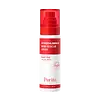
This acne toner is formulated around Hypochlorous Acid and Aloe Barbadensis Leaf Juice to clear breakouts and calm redness.
This barrier-repair toner is formulated around Panthenol and Madecassoside to strengthen the skin barrier and calm redness.

What's inside
What's inside
 Key Ingredients
No key ingredients
Benefits
Concerns
Ingredients Side-by-side
Water
Skin ConditioningPropanediol
Solvent

Hamamelis Virginiana Water
Astringent



1,2-Hexanediol
Skin Conditioning
Sodium Citrate
BufferingEthylhexylglycerin
Skin ConditioningC12-14 Alketh-12
EmulsifyingCitric Acid
Buffering

Pyrus Communis Fruit Extract
Skin ConditioningDisodium EDTA
ChelatingRosa Damascena Flower Water
Masking

Hypochlorous Acid
Antiseborrhoeic
Iris Florentina Root Extract
MaskingCucumis Melo Fruit Extract
Skin ConditioningHedera Helix Leaf/Stem Extract
AntimicrobialAnthemis Nobilis Flower Water
Masking
Aloe Barbadensis Leaf Juice
Skin Conditioning
Chamaecyparis Obtusa Leaf Extract
Skin ConditioningWater, Propanediol, Hamamelis Virginiana Water, 1,2-Hexanediol, Sodium Citrate, Ethylhexylglycerin, C12-14 Alketh-12, Citric Acid, Pyrus Communis Fruit Extract, Disodium EDTA, Rosa Damascena Flower Water, Hypochlorous Acid, Iris Florentina Root Extract, Cucumis Melo Fruit Extract, Hedera Helix Leaf/Stem Extract, Anthemis Nobilis Flower Water, Aloe Barbadensis Leaf Juice, Chamaecyparis Obtusa Leaf Extract
Oryza Sativa Bran Water
Masking
1,2-Hexanediol
Skin Conditioning
Triethylhexanoin
MaskingGlycerin
Humectant
Hydrogenated Poly(C6-14 Olefin)
EmollientTocopherol
Antioxidant



Water
Skin ConditioningButylene Glycol
Humectant
Methylpropanediol
SolventPentylene Glycol
Skin Conditioning
Streptococcus Thermophilus Ferment
Humectant
Pyrus Malus Juice
Skin ConditioningPanthenol
Skin Conditioning
Hydrolyzed Hyaluronic Acid
Humectant
Polyquaternium-51
Skin Conditioning
Betaine
Humectant
Trilaureth-4 Phosphate
EmulsifyingCynanchum Atratum Extract
Skin ConditioningAlthaea Rosea Flower Extract
Skin ConditioningOryza Sativa Extract
Absorbent
Sea Salt
Abrasive
Aspergillus Ferment
Skin ConditioningSodium Phytate
ChelatingCitric Acid
Buffering
Madecassoside
Antioxidant
Hydroxypropyltrimonium Hyaluronate
Centella Asiatica Leaf Extract
Skin Conditioning
Houttuynia Cordata Extract
Skin Conditioning
Aloe Barbadensis Leaf Water
MaskingBifida Ferment Extract
Humectant
Hyaluronic Acid
Humectant
Silanetriol
Avena Sativa Kernel Extract
Abrasive
Lactobacillus Ferment
Skin Conditioning
Hydrolyzed Rice Protein
Skin ConditioningRice Amino Acids
Skin Conditioning
Oryza Sativa Bran Water, 1,2-Hexanediol, Triethylhexanoin, Glycerin, Hydrogenated Poly(C6-14 Olefin), Tocopherol, Water, Butylene Glycol, Methylpropanediol, Pentylene Glycol, Streptococcus Thermophilus Ferment, Pyrus Malus Juice, Panthenol, Hydrolyzed Hyaluronic Acid, Polyquaternium-51, Betaine, Trilaureth-4 Phosphate, Cynanchum Atratum Extract, Althaea Rosea Flower Extract, Oryza Sativa Extract, Sea Salt, Aspergillus Ferment, Sodium Phytate, Citric Acid, Madecassoside, Hydroxypropyltrimonium Hyaluronate, Centella Asiatica Leaf Extract, Houttuynia Cordata Extract, Aloe Barbadensis Leaf Water, Bifida Ferment Extract, Hyaluronic Acid, Silanetriol, Avena Sativa Kernel Extract, Lactobacillus Ferment, Hydrolyzed Rice Protein, Rice Amino Acids
Reviews
Ingredients Explained
These ingredients are found in both products.
Ingredients higher up in an ingredient list are typically present in a larger amount.
1,2-Hexanediol is a synthetic liquid and another multi-functional powerhouse.
It is a:
- Humectant, drawing moisture into the skin
- Emollient, helping to soften skin
- Solvent, dispersing and stabilizing formulas
- Preservative booster, enhancing the antimicrobial activity of other preservatives
Citric Acid is an alpha hydroxy acid (AHA) naturally found in citrus fruits like oranges, lemons, and limes.
Like other AHAs, citric acid can exfoliate skin by breaking down the bonds that hold dead skin cells together. This helps reveal smoother and brighter skin underneath.
However, this exfoliating effect only happens at high concentrations (20%) which can be hard to find in cosmetic products.
Due to this, citric acid is usually included in small amounts as a pH adjuster. This helps keep products slightly more acidic and compatible with skin's natural pH.
In skincare formulas, citric acid can:
While it can provide some skin benefits, research shows lactic acid and glycolic acid are generally more effective and less irritating exfoliants.
Most citric acid used in skincare today is made by fermenting sugars (usually from molasses). This synthetic version is identical to the natural citrus form but easier to stabilize and use in formulations.
Rosacea skin has a lower threshold for acids generally, with 62.5% of rosacea subjects in one study reacting to lactic acid in a sting test. This is why we mark citric acid as a potential rosacea trigger.
However, this ingredient shows up as a pH adjuster or chelator at roughly 0.1-1% in many products. These low levels are unlikely to be an issue for rosacea skin and becomes a potential trigger at exfoliating concentrations (20%). Because everybody's skin is unique, we recommend a patch test if you are unsure.
Learn more about Citric AcidWater. It's the most common cosmetic ingredient of all. You'll usually see it at the top of ingredient lists, meaning that it makes up the largest part of the product.
So why is it so popular? Water most often acts as a solvent - this means that it helps dissolve other ingredients into the formulation.
You'll also recognize water as that liquid we all need to stay alive. If you see this, drink a glass of water. Remember to stay hydrated!
Learn more about Water

