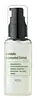
This calming serum is formulated around Centella Asiatica Extract and Niacinamide to calm redness and strengthen the skin barrier.
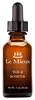
This anti-aging serum is formulated around Hyaluronic Acid and Palmitoyl Tetrapeptide-7 to soften the look of wrinkles and hydrate skin.


What's inside
What's inside
 Key Ingredients
Benefits
Concerns
Ingredients Side-by-side
Centella Asiatica Extract 49%
Cleansing





Water
Skin ConditioningGlycerin
Humectant
Dipropylene Glycol
HumectantNiacinamide
Smoothing





Butylene Glycol
Humectant
1,2-Hexanediol
Skin Conditioning
Glycereth-26
Humectant
Ceramide NP
Skin Conditioning
Sodium Hyaluronate
Humectant
Asiaticoside
Antioxidant
Asiatic Acid
Skin Conditioning
Madecassic Acid
Skin Conditioning
Palmitoyl Hexapeptide-12
Skin Conditioning
Palmitoyl Tripeptide-1
Skin Conditioning
Palmitoyl Tetrapeptide-7
Skin Conditioning
Palmitoyl Dipeptide-10
Skin Conditioning
Carbomer
Emulsion StabilisingArginine
Masking
Sclerotium Gum
Emulsion StabilisingHydrolyzed Jojoba Esters
Skin Conditioning

Caprylyl Glycol
Emollient
Polyglyceryl-10 Myristate
Skin Conditioning
Panthenol
Skin Conditioning
Polyglyceryl-10 Laurate
Skin Conditioning
Hydrogenated Lecithin
Emulsifying
Camellia Sinensis Leaf Extract
Antimicrobial
Pancratium Maritimum Extract
BleachingDipotassium Glycyrrhizate
Humectant
Disodium EDTA
ChelatingAdenosine
Skin Conditioning
Centella Asiatica Extract 49%, Water, Glycerin, Dipropylene Glycol, Niacinamide, Butylene Glycol, 1,2-Hexanediol, Glycereth-26, Ceramide NP, Sodium Hyaluronate, Asiaticoside, Asiatic Acid, Madecassic Acid, Palmitoyl Hexapeptide-12, Palmitoyl Tripeptide-1, Palmitoyl Tetrapeptide-7, Palmitoyl Dipeptide-10, Carbomer, Arginine, Sclerotium Gum, Hydrolyzed Jojoba Esters, Caprylyl Glycol, Polyglyceryl-10 Myristate, Panthenol, Polyglyceryl-10 Laurate, Hydrogenated Lecithin, Camellia Sinensis Leaf Extract, Pancratium Maritimum Extract, Dipotassium Glycyrrhizate, Disodium EDTA, Adenosine
Hyaluronic Acid
Humectant
Hydrolyzed Sodium Hyaluronate
Skin Conditioning
Sodium Hyaluronate
Humectant
Sodium Hyaluronate Crosspolymer
Humectant
Hydroxypropyltrimonium Hyaluronate
C12-13 Alkyl Glyceryl Hydrolyzed Hyaluronate
Superoxide Dismutase
Antioxidant
Saccharomyces Polypeptides
Skin Conditioning
Palmitoyl Tetrapeptide-7
Skin Conditioning
Palmitoyl Tripeptide-5
Skin Conditioning
Palmitoyl Tripeptide-1
Skin Conditioning
Acetyl Octapeptide-3
Humectant
Ceramide Ns
Skin Conditioning
Saccharomyces/Copper Ferment
Skin Conditioning
Saccharomyces/Zinc Ferment
Skin Conditioning
Saccharomyces/Manganese Ferment
Skin Conditioning
Riboflavin
Cosmetic ColorantPhospholipids
Skin Conditioning
Folic Acid
Skin ConditioningEnteromorpha Compressa Extract
Skin Protecting

Glycoproteins
Skin Conditioning
Ginkgo Biloba Leaf Extract
Skin Conditioning
Serine
Masking
Proline
Skin Conditioning
Alanine
Masking
Glutamic Acid
Humectant
Niacinamide
Smoothing
Parfum
Masking


Caprylyl Glycol
Emollient
Ethylhexylglycerin
Skin ConditioningUndecylenoyl Glycine
CleansingCapryloyl Glycine
CleansingHyaluronic Acid, Hydrolyzed Sodium Hyaluronate, Sodium Hyaluronate, Sodium Hyaluronate Crosspolymer, Hydroxypropyltrimonium Hyaluronate, C12-13 Alkyl Glyceryl Hydrolyzed Hyaluronate, Superoxide Dismutase, Saccharomyces Polypeptides, Palmitoyl Tetrapeptide-7, Palmitoyl Tripeptide-5, Palmitoyl Tripeptide-1, Acetyl Octapeptide-3, Ceramide Ns, Saccharomyces/Copper Ferment, Saccharomyces/Zinc Ferment, Saccharomyces/Manganese Ferment, Riboflavin, Phospholipids, Folic Acid, Enteromorpha Compressa Extract, Glycoproteins, Ginkgo Biloba Leaf Extract, Serine, Proline, Alanine, Glutamic Acid, Niacinamide, Parfum, Caprylyl Glycol, Ethylhexylglycerin, Undecylenoyl Glycine, Capryloyl Glycine
Reviews
Alternatives
Ingredients Explained
These ingredients are found in both products.
Ingredients higher up in an ingredient list are typically present in a larger amount.
Caprylyl Glycol is a humectant, skin conditioner, emollient, and preservative booster derived from either caprylic acid or synthetically created.
Typical use levels vary from 0.3-1% as a preservative booster and go up to 2% to condition skin.
Because it is not a free-fatty acid, this ingredient is fungal acne safe (there's nothing for Malassezia to feed on).
Learn more about Caprylyl GlycolNiacinamide is a multitasking form of vitamin B3 that strengthens the skin barrier, reduces pores and dark spots, regulates oil, and improves signs of aging.
And the best part? It's gentle and well-tolerated by most skin types, including sensitive and reactive skin.
You might have heard of "niacin flush", or the reddening of skin that causes itchiness. Niacinamide has not been found to cause this.
In very rare cases, some individuals may not be able to tolerate niacinamide at all or experience an allergic reaction to it.
If you are experiencing flaking, irritation, and dryness with this ingredient, be sure to double check all your products as this ingredient can be found in all categories of skincare.
When incorporating niacinamide into your routine, look out for concentration amounts. Typically, 5% niacinamide provides benefits such as fading dark spots. However, if you have sensitive skin, it is better to begin with a smaller concentration.
When you apply niacinamide to your skin, your body converts it into nicotinamide adenine dinucleotide (NAD). NAD is an essential coenzyme that is already found in your cells as "fuel" and powers countless biological processes.
In your skin, NAD helps repair cell damage, produce new healthy cells, support collagen production, strengthen the skin barrier, and fight environmental stressors (like UV and pollution).
Our natural NAD levels start to decline with age, leading to slower skin repair, visible aging, and a weaker skin barrier. By providing your skin niacinamide, you're recharging your skin's NAD levels. This leads to stronger, healthier, and younger looking skin.
Another name for vitamin B3 is nicotinamide. This vitamin is water-soluble and our bodies don't store it. We obtain Vitamin B3 from either food or skincare. Meat, fish, wheat, yeast, and leafy greens contain vitamin B3.
The type of niacinamide used in skincare is synthetically created.
Learn more about NiacinamidePalmitoyl Tetrapeptide-7 (formerly Palmitoyl Tetrapeptide-3) is a synthetic peptide. Its main job is to fight what researchers call "inflammaging".
"Inflammaging" is the slow, low-grade chronic inflammation that quietly breaks down collagen as we age.
This ingredient calms down a specific inflammation signal in your skin cells (called IL-6). When left unchecked, this signal triggers enzymes that break down collagen and elastin.
Clinical testing showed statistically significant improvements in:
Studies also found the more of this ingredient used, the more your skin produces Collagen I, fibronectin, and hyaluronic acid.
You'll likely see this ingredient paired with Palmitoyl Tripeptide-1 in the well-known Matrixyl 3000 complex for enhanced anti-aging effects.
A 3% concentration applied twice daily for two months showed meaningful skin rejuvenation results in clinical panels.
Fungal acne note:
Usually a palmitic acid component can feed Malassezia in unbound form, but here is is covalently bonded to the peptide. This means it is very difficult for Malassezia to access, and therefore very unlikely to cause fungal acne.
Palmitoyl Tripeptide-1 (aka Pal-GHK) is a synthetic signal peptide made of three amino acids attached to palmitic acid.
That fatty acid attachment is the key: it boosts the peptide's ability to penetrate the skin barrier. This puts it closer to the dermal cells where it can actually make a difference.
Once there, it acts as a matrikine, a signaling peptide that prompts fibroblasts to produce more collagen, fibronectin, and hyaluronic acid.
In vitro studies show it can boost collagen production in skin cells even when UV-damaged skin samples were treated with it at a tiny concentration (it almost fully restored dermal collagen at 5ppm). It achieved this at 100x lower concentration than retinoic acid, which needed 500 ppm to do the same thing.
Human clinical data is promising, but modest:
A study of 23 female volunteers found a small but statistically significant increase (~4%) in skin thickness after treatment at 4 ppm.
A separate small trial of 15 women showed statistically significant reductions in wrinkle length, depth, and skin roughness after applying it twice daily for four weeks.
You'll likely see Pal-GHK paired with Palmitoyl Tetrapeptide-7 as part of the Matrixyl 3000 complex.
Fungal acne note:
Usually a palmitic acid component can feed Malassezia in unbound form, but here is is covalently bonded to the peptide. This means it is very difficult for Malassezia to access, and therefore very unlikely to cause fungal acne.
Sodium Hyaluronate is the salt form of hyaluronic acid. It is a long sugar chain that is naturally found in your skin, joints, and connective tissue that maintains hydration and elasticity.
In skincare, it works as a humectant. It pulls water from the environment and deeper layers of skin and binds it to the surface.
Interestingly, the size of the molecule affects its behavior:
Some clinical evidence links low molecular weight versions to improved wrinkle depth, elasticity, anti-inflammatory effects, and barrier repair.
Many serums use a blend of both weights so you can get surface hydration plus longer-lasting and deeper effects.
You'll typically see concentrations between 0.1-2% for this ingredient.
Learn more about Sodium Hyaluronate

