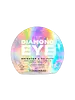
This calming eye mask is formulated around Glycyrrhiza Glabra Root Extract and Caffeine to calm redness and soften the look of wrinkles.
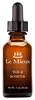
This anti-aging serum is formulated around Hyaluronic Acid and Palmitoyl Tetrapeptide-7 to soften the look of wrinkles and hydrate skin.


What's inside
What's inside
 Key Ingredients
Benefits
Concerns
Ingredients Side-by-side
Water
Skin ConditioningGlycerin
Humectant


Butylene Glycol
Humectant
Methylpropanediol
Solvent1,2-Hexanediol
Skin Conditioning
Dimethicone/Vinyl Dimethicone Crosspolymer
Skin Conditioning
Arginine
Masking
Acrylates/C10-30 Alkyl Acrylate Crosspolymer
Emulsion StabilisingPolyglyceryl-10 Laurate
Skin Conditioning

Propanediol
Solvent
Ethylhexylglycerin
Skin ConditioningAmmonium Acryloyldimethyltaurate/Vp Copolymer
Glyceryl Acrylate/Acrylic Acid Copolymer
HumectantPolyglyceryl-10 Myristate
Skin Conditioning
Pvm/Ma Copolymer
Emulsion StabilisingXanthan Gum
EmulsifyingParfum
Masking



Disodium EDTA
ChelatingCamellia Japonica Flower Water
Skin ConditioningRosmarinus Officinalis Leaf Extract
AntimicrobialGlycyrrhiza Glabra Root Extract
Bleaching



Lavandula Angustifolia Flower Extract
Cleansing
Mentha Rotundifolia Leaf Extract
TonicMentha Piperita Leaf Extract
Skin ConditioningCarbomer
Emulsion StabilisingMonarda Didyma Leaf Extract
Skin ConditioningFreesia Alba Flower Extract
Skin ConditioningMalus Domestica Fruit Extract
Antioxidant
Cucurbita Pepo Fruit Extract
Skin Conditioning
Caffeine
Skin Conditioning
Diamond Powder
Abrasive
Water, Glycerin, Butylene Glycol, Methylpropanediol, 1,2-Hexanediol, Dimethicone/Vinyl Dimethicone Crosspolymer, Arginine, Acrylates/C10-30 Alkyl Acrylate Crosspolymer, Polyglyceryl-10 Laurate, Propanediol, Ethylhexylglycerin, Ammonium Acryloyldimethyltaurate/Vp Copolymer, Glyceryl Acrylate/Acrylic Acid Copolymer, Polyglyceryl-10 Myristate, Pvm/Ma Copolymer, Xanthan Gum, Parfum, Disodium EDTA, Camellia Japonica Flower Water, Rosmarinus Officinalis Leaf Extract, Glycyrrhiza Glabra Root Extract, Lavandula Angustifolia Flower Extract, Mentha Rotundifolia Leaf Extract, Mentha Piperita Leaf Extract, Carbomer, Monarda Didyma Leaf Extract, Freesia Alba Flower Extract, Malus Domestica Fruit Extract, Cucurbita Pepo Fruit Extract, Caffeine, Diamond Powder
Hyaluronic Acid
Humectant
Hydrolyzed Sodium Hyaluronate
Skin Conditioning
Sodium Hyaluronate
Humectant
Sodium Hyaluronate Crosspolymer
Humectant
Hydroxypropyltrimonium Hyaluronate
C12-13 Alkyl Glyceryl Hydrolyzed Hyaluronate
Superoxide Dismutase
Antioxidant
Saccharomyces Polypeptides
Skin Conditioning
Palmitoyl Tetrapeptide-7
Skin Conditioning
Palmitoyl Tripeptide-5
Skin Conditioning
Palmitoyl Tripeptide-1
Skin Conditioning
Acetyl Octapeptide-3
Humectant
Ceramide Ns
Skin Conditioning
Saccharomyces/Copper Ferment
Skin Conditioning
Saccharomyces/Zinc Ferment
Skin Conditioning
Saccharomyces/Manganese Ferment
Skin Conditioning
Riboflavin
Cosmetic ColorantPhospholipids
Skin Conditioning
Folic Acid
Skin ConditioningEnteromorpha Compressa Extract
Skin Protecting
Glycoproteins
Skin Conditioning
Ginkgo Biloba Leaf Extract
Skin Conditioning
Serine
Masking
Proline
Skin Conditioning
Alanine
Masking
Glutamic Acid
Humectant
Niacinamide
Smoothing



Parfum
Masking
Caprylyl Glycol
Emollient
Ethylhexylglycerin
Skin ConditioningUndecylenoyl Glycine
CleansingCapryloyl Glycine
CleansingHyaluronic Acid, Hydrolyzed Sodium Hyaluronate, Sodium Hyaluronate, Sodium Hyaluronate Crosspolymer, Hydroxypropyltrimonium Hyaluronate, C12-13 Alkyl Glyceryl Hydrolyzed Hyaluronate, Superoxide Dismutase, Saccharomyces Polypeptides, Palmitoyl Tetrapeptide-7, Palmitoyl Tripeptide-5, Palmitoyl Tripeptide-1, Acetyl Octapeptide-3, Ceramide Ns, Saccharomyces/Copper Ferment, Saccharomyces/Zinc Ferment, Saccharomyces/Manganese Ferment, Riboflavin, Phospholipids, Folic Acid, Enteromorpha Compressa Extract, Glycoproteins, Ginkgo Biloba Leaf Extract, Serine, Proline, Alanine, Glutamic Acid, Niacinamide, Parfum, Caprylyl Glycol, Ethylhexylglycerin, Undecylenoyl Glycine, Capryloyl Glycine
Reviews
Alternatives
Ingredients Explained
These ingredients are found in both products.
Ingredients higher up in an ingredient list are typically present in a larger amount.
Ethylhexylglycerin is created from glycerin. It is a multitasker ingredient that:
The CIR Expert Panel found minimal skin absorption or sensitization of any kind in a safety assessment. Though this ingredient is considered well-tolerated, a small number of cases of allergic dermatitis have been published since 2002. Just be sure to patch test if you are unsure.
Industry-reported use ranges from 8% in rinse-off products and 2% in leave-on formulations.
Learn more about EthylhexylglycerinParfum is a catch-all term for an ingredient or more that is used to give a scent to products.
Also called "fragrance", this ingredient can be a blend of hundreds of chemicals or plant oils. This means every product with "fragrance" or "parfum" in the ingredients list is a different mixture.
For instance, Habanolide is a proprietary trade name for a specific aroma chemical. When used as a fragrance ingredient in cosmetics, most aroma chemicals fall under the broad labeling category of “FRAGRANCE” or “PARFUM” according to EU and US regulations.
The term 'parfum' or 'fragrance' is not regulated in many countries. In many cases, it is up to the brand to define this term.
For instance, many brands choose to label themselves as "fragrance-free" because they are not using synthetic fragrances. However, their products may still contain ingredients such as essential oils that are considered a fragrance by INCI standards.
One example is Calendula flower extract. Calendula is an essential oil that still imparts a scent or 'fragrance'.
Depending on the blend, the ingredients in the mixture can cause allergies and sensitivities on the skin. Some ingredients that are known EU allergens include linalool and citronellol.
Parfum can also be used to mask or cover an unpleasant scent.
The bottom line is: not all fragrances/parfum/ingredients are created equally. If you are worried about fragrances, we recommend taking a closer look at an ingredient. And of course, we always recommend speaking with a professional.
Learn more about Parfum

