Le Mieux TGF-B Booster Versus Klur Brilliant Light
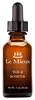
This anti-aging serum is formulated around Hyaluronic Acid and Palmitoyl Tetrapeptide-7 to soften the look of wrinkles and hydrate skin.
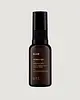
This brightening serum is formulated around Aloe Barbadensis Leaf Juice and Sodium Ascorbyl Phosphate to brighten dull-looking skin and fade the look of dark spots.

What's inside
What's inside
 Key Ingredients
Benefits
Concerns
Ingredients Side-by-side
Hyaluronic Acid
Humectant




Hydrolyzed Sodium Hyaluronate
Skin Conditioning
Sodium Hyaluronate
Humectant
Sodium Hyaluronate Crosspolymer
Humectant
Hydroxypropyltrimonium Hyaluronate
C12-13 Alkyl Glyceryl Hydrolyzed Hyaluronate
Superoxide Dismutase
Antioxidant

Saccharomyces Polypeptides
Skin Conditioning

Palmitoyl Tetrapeptide-7
Skin Conditioning
Palmitoyl Tripeptide-5
Skin Conditioning
Palmitoyl Tripeptide-1
Skin Conditioning
Acetyl Octapeptide-3
Humectant
Ceramide Ns
Skin Conditioning
Saccharomyces/Copper Ferment
Skin Conditioning

Saccharomyces/Zinc Ferment
Skin Conditioning
Saccharomyces/Manganese Ferment
Skin Conditioning
Riboflavin
Cosmetic ColorantPhospholipids
Skin Conditioning
Folic Acid
Skin ConditioningEnteromorpha Compressa Extract
Skin Protecting

Glycoproteins
Skin Conditioning
Ginkgo Biloba Leaf Extract
Skin Conditioning
Serine
Masking
Proline
Skin Conditioning
Alanine
Masking
Glutamic Acid
Humectant
Niacinamide
Smoothing



Parfum
Masking


Caprylyl Glycol
Emollient
Ethylhexylglycerin
Skin ConditioningUndecylenoyl Glycine
CleansingCapryloyl Glycine
CleansingHyaluronic Acid, Hydrolyzed Sodium Hyaluronate, Sodium Hyaluronate, Sodium Hyaluronate Crosspolymer, Hydroxypropyltrimonium Hyaluronate, C12-13 Alkyl Glyceryl Hydrolyzed Hyaluronate, Superoxide Dismutase, Saccharomyces Polypeptides, Palmitoyl Tetrapeptide-7, Palmitoyl Tripeptide-5, Palmitoyl Tripeptide-1, Acetyl Octapeptide-3, Ceramide Ns, Saccharomyces/Copper Ferment, Saccharomyces/Zinc Ferment, Saccharomyces/Manganese Ferment, Riboflavin, Phospholipids, Folic Acid, Enteromorpha Compressa Extract, Glycoproteins, Ginkgo Biloba Leaf Extract, Serine, Proline, Alanine, Glutamic Acid, Niacinamide, Parfum, Caprylyl Glycol, Ethylhexylglycerin, Undecylenoyl Glycine, Capryloyl Glycine
Aloe Barbadensis Leaf Juice
Skin Conditioning
Water
Skin ConditioningSodium Ascorbyl Phosphate
Antioxidant
Sodium Hyaluronate
Humectant
Superoxide Dismutase
Antioxidant
Ferulic Acid
Antimicrobial
Citrus Aurantium Dulcis Callus Culture Extract
Skin ConditioningGlycerin
Humectant
Glycyrrhiza Glabra Root Extract
Bleaching
Rosa Canina Fruit Oil
Emollient
Geranium Maculatum Extract
TonicRibes Nigrum
EmollientRibes Nigrum Seed Oil
Emollient
Taraxacum Officinale Extract
Skin ConditioningGinkgo Biloba Leaf Extract
Skin Conditioning
Methionine
Skin ConditioningSambucus Nigra Extract
Skin ConditioningSimmondsia Chinensis Seed Oil
Emollient
Symphytum Officinale Leaf Extract
Skin ConditioningCentella Asiatica Extract
Cleansing
Vitis Vinifera Seed Oil
Emollient
Tocopheryl Acetate
Antioxidant
Acrylates/C10-30 Alkyl Acrylate Crosspolymer
Emulsion StabilisingPhenoxyethanol
Preservative
Aloe Barbadensis Leaf Juice, Water, Sodium Ascorbyl Phosphate, Sodium Hyaluronate, Superoxide Dismutase, Ferulic Acid, Citrus Aurantium Dulcis Callus Culture Extract, Glycerin, Glycyrrhiza Glabra Root Extract, Rosa Canina Fruit Oil, Geranium Maculatum Extract, Ribes Nigrum, Ribes Nigrum Seed Oil, Taraxacum Officinale Extract, Ginkgo Biloba Leaf Extract, Methionine, Sambucus Nigra Extract, Simmondsia Chinensis Seed Oil, Symphytum Officinale Leaf Extract, Centella Asiatica Extract, Vitis Vinifera Seed Oil, Tocopheryl Acetate, Acrylates/C10-30 Alkyl Acrylate Crosspolymer, Phenoxyethanol
Reviews
Alternatives
Ingredients Explained
These ingredients are found in both products.
Ingredients higher up in an ingredient list are typically present in a larger amount.
Ginkgo Biloba Leaf Extract comes from the leaves of the Ginkgo tree. It has soothing and antioxidant properties.
The leaves of ginkgo contains flavonoids and terpenoids, potent antioxidants. Antioxidants may protect your skin from damage caused by external sources such as pollution.
Its soothing ability comes from a variety of compounds including biflavones, a type of flavonoid. Studies show gingko biloba has strong anti-inflammatory properties.
Fun fact: This tree is native to China and has been used in traditional Chinese medicine for thousands of years.
Learn more about Ginkgo Biloba Leaf ExtractSodium Hyaluronate is the salt form of hyaluronic acid. It is a long sugar chain that is naturally found in your skin, joints, and connective tissue that maintains hydration and elasticity.
In skincare, it works as a humectant. It pulls water from the environment and deeper layers of skin and binds it to the surface.
Interestingly, the size of the molecule affects its behavior:
Some clinical evidence links low molecular weight versions to improved wrinkle depth, elasticity, anti-inflammatory effects, and barrier repair.
Many serums use a blend of both weights so you can get surface hydration plus longer-lasting and deeper effects.
You'll typically see concentrations between 0.1-2% for this ingredient.
Learn more about Sodium HyaluronateSuperoxide Dismutase is found in all living cells. This ingredient is AKA as 'SOD'.
SOD is a strong antioxidant. It protects living cells against oxidative damage by breaking down radical molecules into regular oxygen and hydrogen peroxide.
Antioxidants help fight free-radical molecules that may damage your skin's DNA. This may help with the signs of aging. Due to its antioxidant property, it is used to help treat chronic inflammation.
In cosmetics, SOD is usually obtained from marine phytoplankton, bovine liver, horseradish, cantaloupe, and certain bacteria.
The three major families of SOD include: Copper/Zinc, Iron/Manganese, and Nickel.
When eating SOD-rich foods, our bodies break it down into amino acids before absorption. Foods that contain SOD include: melons, citrus, spinach, broccoli, kale, almonds, sunflower seeds, and blue-green algae.
Learn more about Superoxide Dismutase

