

What's inside
What's inside
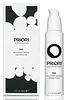 Key Ingredients
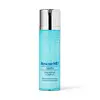
Benefits
Ingredients Side-by-side
Water
Skin ConditioningEthylhexyl Isononanoate
EmollientIsononyl Isononanoate
EmollientHordeum Distichon Extract
Skin ProtectingPentylene Glycol
Skin ConditioningPropanediol
Solvent
Micrococcus Lysate
Skin ConditioningPlankton Extract
Skin ConditioningMagnesium Ascorbyl Phosphate
Antioxidant





Tocopherol
Antioxidant



Arabidopsis Thaliana Extract
Antioxidant
Evodia Rutaecarpa Fruit Extract
Skin ConditioningPhellodendron Amurense Bark Extract
Skin ConditioningSantalum Album Extract
CleansingLecithin
Emollient
Acrylates/C10-30 Alkyl Acrylate Crosspolymer
Emulsion StabilisingCarbomer
Emulsion StabilisingPhenoxyethanol
Preservative
Ethylhexylglycerin
Skin ConditioningDisodium EDTA
Sodium Hydroxide
BufferingWater, Ethylhexyl Isononanoate, Isononyl Isononanoate, Hordeum Distichon Extract, Pentylene Glycol, Propanediol, Micrococcus Lysate, Plankton Extract, Magnesium Ascorbyl Phosphate, Tocopherol, Arabidopsis Thaliana Extract, Evodia Rutaecarpa Fruit Extract, Phellodendron Amurense Bark Extract, Santalum Album Extract, Lecithin, Acrylates/C10-30 Alkyl Acrylate Crosspolymer, Carbomer, Phenoxyethanol, Ethylhexylglycerin, Disodium EDTA, Sodium Hydroxide
Water
Skin ConditioningDimethicone
Emollient
Glycerin
Humectant
Hexapeptide-9
Skin Conditioning
Panthenol
Skin Conditioning
Lapachone
Allantoin
Skin Conditioning
Octyldodecanol
Emollient
Ribes Nigrum Seed Oil
Emollient

Aloe Barbadensis Leaf Juice
Skin Conditioning
Helianthus Annuus Seed Oil Unsaponifiables
Emollient
Tocopherol
Antioxidant
Cardiospermum Halicacabum Flower/Leaf/Vine Extract
Skin ConditioningHelianthus Annuus Seed Oil
Emollient
Rosmarinus Officinalis Leaf Extract
AntimicrobialButylene Glycol
Humectant
Dimethicone Crosspolymer
Emulsion Stabilising
Carbomer
Emulsion StabilisingHydroxyethylcellulose
Emulsion StabilisingSodium Hydroxide
BufferingPhenoxyethanol
Preservative
Ethylhexylglycerin
Skin ConditioningPolysorbate 20
Emulsifying
Sodium Phytate
Water, Dimethicone, Glycerin, Hexapeptide-9, Panthenol, Lapachone, Allantoin, Octyldodecanol, Ribes Nigrum Seed Oil, Aloe Barbadensis Leaf Juice, Helianthus Annuus Seed Oil Unsaponifiables, Tocopherol, Cardiospermum Halicacabum Flower/Leaf/Vine Extract, Helianthus Annuus Seed Oil, Rosmarinus Officinalis Leaf Extract, Butylene Glycol, Dimethicone Crosspolymer, Carbomer, Hydroxyethylcellulose, Sodium Hydroxide, Phenoxyethanol, Ethylhexylglycerin, Polysorbate 20, Sodium Phytate
Reviews
Ingredients Explained
These ingredients are found in both products.
Ingredients higher up in an ingredient list are typically present in a larger amount.
Carbomer is a polymer of acrylic acid. Its main role is to create a gel consistency.
A high amount of carbomer can cause pilling or balling up of products. Don't worry, most products contain 1% or less of carbomer.
Ethylhexylglycerin (we can't pronounce this either) is commonly used as a preservative and skin softener. It is derived from glyceryl.
You might see Ethylhexylglycerin often paired with other preservatives such as phenoxyethanol. Ethylhexylglycerin has been found to increase the effectiveness of these other preservatives.
Phenoxyethanol is a preservative that has germicide, antimicrobial, and aromatic properties. Studies show that phenoxyethanol can prevent microbial growth. By itself, it has a scent that is similar to that of a rose.
It's often used in formulations along with Caprylyl Glycol to preserve the shelf life of products.
Sodium Hydroxide is also known as lye or caustic soda. It is used to adjust the pH of products; many ingredients require a specific pH to be effective.
In small amounts, sodium hydroxide is considered safe to use. However, large amounts may cause chemical burns due to its high alkaline.
Your skin has a natural pH and acid mantle. This acid mantle helps prevent harmful bacteria from breaking through. The acid mantle also helps keep your skin hydrated.
"Alkaline" refers to a high pH level. A low pH level would be considered acidic.
Learn more about Sodium HydroxideTocopherol (also known as Vitamin E) is a common antioxidant used to help protect the skin from free-radicals and strengthen the skin barrier. It's also fat soluble - this means our skin is great at absorbing it.
Vitamin E also helps keep your natural skin lipids healthy. Your lipid skin barrier naturally consists of lipids, ceramides, and fatty acids. Vitamin E offers extra protection for your skin’s lipid barrier, keeping your skin healthy and nourished.
Another benefit is a bit of UV protection. Vitamin E helps reduce the damage caused by UVB rays. (It should not replace your sunscreen). Combining it with Vitamin C can decrease sunburned cells and hyperpigmentation after UV exposure.
You might have noticed Vitamin E + C often paired together. This is because it is great at stabilizing Vitamin C. Using the two together helps increase the effectiveness of both ingredients.
There are often claims that Vitamin E can reduce/prevent scarring, but these claims haven't been confirmed by scientific research.
Learn more about TocopherolWater. It's the most common cosmetic ingredient of all. You'll usually see it at the top of ingredient lists, meaning that it makes up the largest part of the product.
So why is it so popular? Water most often acts as a solvent - this means that it helps dissolve other ingredients into the formulation.
You'll also recognize water as that liquid we all need to stay alive. If you see this, drink a glass of water. Stay hydrated!
Learn more about Water
