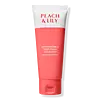
This mild foaming cleanser is made to cleanse while calming and soothing your skin.

What's inside
What's inside
 Key Ingredients
Benefits
Concerns
Ingredients Side-by-side
Water
Skin ConditioningGlycerin
Humectant


Sodium Cocoyl Isethionate
Cleansing
Potassium Cocoyl Glycinate
Surfactant
Papain
Skin Conditioning

Coptis Japonica Root Extract
Skin ConditioningVigna Radiata Seed Extract
Skin ConditioningPrunus Serotina Fruit Extract
MaskingHydrolyzed Hyaluronic Acid
Humectant

Polyglutamic Acid
Skin Conditioning
Hordeum Distichon Extract
Skin ProtectingVaccinium Macrocarpon Fruit Extract
AstringentPunica Granatum Fruit Extract
Antioxidant

Butylene Glycol
Humectant
Beta Vulgaris Root Extract
Skin ConditioningPrunus Armeniaca Seed Powder
Abrasive

Glyceryl Glucoside
Humectant
Oryza Sativa Powder
Collagen Extract
Skin Conditioning
Oryza Sativa Bran
Abrasive
Coix Lacryma-Jobi Ma-Yuen Seed Powder
HumectantSedum Sarmentosum Extract
HumectantOrchis Mascula Extract
Skin ConditioningAllantoin
Skin Conditioning
Glucose
Humectant
1,2-Hexanediol
Skin Conditioning
Citric Acid
Buffering


Sodium Chloride
MaskingLauryl Betaine
CleansingSodium Methyl Cocoyl Taurate
Cleansing
Cimicifuga Dahurica Root Extract
Antioxidant
Coconut Acid
Cleansing
Hydroxypropyl Starch Phosphate
Caprylyl Glycol
Emollient
Sodium Phytate
Water, Glycerin, Sodium Cocoyl Isethionate, Potassium Cocoyl Glycinate, Papain, Coptis Japonica Root Extract, Vigna Radiata Seed Extract, Prunus Serotina Fruit Extract, Hydrolyzed Hyaluronic Acid, Polyglutamic Acid, Hordeum Distichon Extract, Vaccinium Macrocarpon Fruit Extract, Punica Granatum Fruit Extract, Butylene Glycol, Beta Vulgaris Root Extract, Prunus Armeniaca Seed Powder, Glyceryl Glucoside, Oryza Sativa Powder, Collagen Extract, Oryza Sativa Bran, Coix Lacryma-Jobi Ma-Yuen Seed Powder, Sedum Sarmentosum Extract, Orchis Mascula Extract, Allantoin, Glucose, 1,2-Hexanediol, Citric Acid, Sodium Chloride, Lauryl Betaine, Sodium Methyl Cocoyl Taurate, Cimicifuga Dahurica Root Extract, Coconut Acid, Hydroxypropyl Starch Phosphate, Caprylyl Glycol, Sodium Phytate
Water
Skin ConditioningGlycerin
Humectant
Hydrogenated Palm Acid
Potassium Hydroxide
BufferingPotassium Cocoyl Glycinate
Surfactant
Sedum Sarmentosum Extract
HumectantSodium Hyaluronate
Humectant
Hydroxypropyltrimonium Hyaluronate
Sodium Acetylated Hyaluronate
Humectant
Hydrolyzed Hyaluronic Acid
Humectant
Hyaluronic Acid
Humectant
Glyceryl Stearate
Emollient
Polyquaternium-7
Acrylates/C10-30 Alkyl Acrylate Crosspolymer
Emulsion StabilisingSodium Phytate
1,2-Hexanediol
Skin Conditioning
Allantoin
Skin Conditioning
Panthenol
Skin Conditioning
Sodium Bicarbonate
Abrasive
Butylene Glycol
Humectant
Glycine
Buffering
Serine
Masking
Glutamic Acid
Humectant
Aspartic Acid
Masking
Leucine
Skin ConditioningAlanine
Masking
Lysine
Skin ConditioningHydrolyzed Sodium Hyaluronate
Skin Conditioning
Sodium Hyaluronate Crosspolymer
Humectant
Arginine
Masking
Tyrosine
MaskingPhenylalanine
Masking
Proline
Skin Conditioning
Threonine
Valine
MaskingIsoleucine
Skin ConditioningHistidine
Humectant
Cysteine
Antioxidant
Methionine
Skin ConditioningPotassium Hyaluronate
Skin ConditioningSodium Benzoate
Masking
Water, Glycerin, Hydrogenated Palm Acid, Potassium Hydroxide, Potassium Cocoyl Glycinate, Sedum Sarmentosum Extract, Sodium Hyaluronate, Hydroxypropyltrimonium Hyaluronate, Sodium Acetylated Hyaluronate, Hydrolyzed Hyaluronic Acid, Hyaluronic Acid, Glyceryl Stearate, Polyquaternium-7, Acrylates/C10-30 Alkyl Acrylate Crosspolymer, Sodium Phytate, 1,2-Hexanediol, Allantoin, Panthenol, Sodium Bicarbonate, Butylene Glycol, Glycine, Serine, Glutamic Acid, Aspartic Acid, Leucine, Alanine, Lysine, Hydrolyzed Sodium Hyaluronate, Sodium Hyaluronate Crosspolymer, Arginine, Tyrosine, Phenylalanine, Proline, Threonine, Valine, Isoleucine, Histidine, Cysteine, Methionine, Potassium Hyaluronate, Sodium Benzoate
Reviews
Ingredients Explained
These ingredients are found in both products.
Ingredients higher up in an ingredient list are typically present in a larger amount.
1,2-Hexanediol is a synthetic liquid and another multi-functional powerhouse.
It is a:
- Humectant, drawing moisture into the skin
- Emollient, helping to soften skin
- Solvent, dispersing and stabilizing formulas
- Preservative booster, enhancing the antimicrobial activity of other preservatives
Allantoin is a soothing ingredient known for its protective and moisturizing properties; it's basically a quiet workhorse ingredient you can find in a huge range of cosmetics.
Though it can be derived from the comfrey plant, allantoin is produced synthetically for cosmetic products to ensure purity.
Research shows it can encourage your skin cells to turn over and renew by stimulating keratinocyte and fibroblast proliferation.
It also has mild keratolytic properties to help loosen and shed dead skin cells without being harsh.
Studies also suggest allantoin can help calm inflammation by dialing down some of the chemical signals your skin sends out when it is irritated.
This ingredient is typically used in the 0.1-0.5% range, and the FDA recognizes it as a skin protectant in OTC products up to 2%.
Overall, allantoin is a wonderful addition to most routines; it is stable across a wide pH range (~4-8), works well with other ingredients, and is considered non-sensitizing/non-irritating.
Fun fact: Allantoin is naturally occurring in comfrey root, beets, chamomile, and wheat sprouts. Our bodies even produce it as a byproduct of uric acid metabolism.
Learn more about AllantoinButylene Glycol (or BG) is used within cosmetic products for a few different reasons:
Overall, Butylene Glycol is a safe and well-rounded ingredient that works well with other ingredients.
Though this ingredient works well with most skin types, some people with sensitive skin may experience a reaction such as allergic rashes, closed comedones, or itchiness.
Learn more about Butylene GlycolGlycerin (or glycerol) is a compound naturally found in your skin. It's a powerhouse humectant that pulls water into the stratum corneum.
Topically, glycerin does several things at once:
Your skin makes glycerin on its own (mostly from sebaceous oil breakdown) and shuttles it to your outermost layer of skin, or your epidermis, via aquaporin-3.
Aquaporin-3 is a transporter that is essential for normal skin hydration, elasticity, and repair. Interestingly, mice lacking in AQP3 have dry and less elastic skin that can be fully corrected with glycerin.
This ingredient is non-irritating, plays well with almost every ingredient, and works across all skin types. Typical use is anywhere between 3-10% but can go up to 79% in some leave-on products.
Just know very high concentrations (>40%) can feel tacky in low humidity.
Glycerin is the name for this ingredient in American English. British English uses Glycerol/Glycerine.
Learn more about GlycerinHydrolyzed Hyaluronic Acid is hyaluronic acid (HA) that is broken down into lower molecular weight fragments.
It's a humectant that pulls and holds water in the skin to help with hydration, plumpness, and reduce transepidermal water loss.
Because hydrolyzed hyaluronic acid is smaller in size, it can slip past your outermost layer of skin more easily than full-sized HA.
Most formulations will combine all sizes to get the best of both worlds.
Typical usage levels range from 0.01-1%. Any percentage higher than 2% might become goopy and tacky.
Learn more about Hydrolyzed Hyaluronic AcidPotassium Cocoyl Glycinate is an amino acid-based surfactant and cleaning agent. This ingredient can be derived from animals or plants. It may also be synthetically created from fatty acids of the coconut and glycine.
Potassium Cocoyl Glycinate is a gentle surfactant. Surfactants help gather the dirt, oil, and other pollutants from your skin to be rinsed away. It is a mild cleanser and naturally produces foam.
We don't have a description for Sedum Sarmentosum Extract yet.
Sodium Phytate is the synthetic salt form of phytic acid. Phytic acid is an antioxidant and can be found in plant seeds.
Sodium Phytate is a chelating agent. Chelating agents help prevent metals from binding to water. This helps stabilize the ingredients and the product.
Water. It's the most common cosmetic ingredient of all. You'll usually see it at the top of ingredient lists, meaning that it makes up the largest part of the product.
So why is it so popular? Water most often acts as a solvent - this means that it helps dissolve other ingredients into the formulation.
You'll also recognize water as that liquid we all need to stay alive. If you see this, drink a glass of water. Remember to stay hydrated!
Learn more about Water

