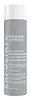
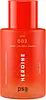
Paula's Choice Skin Perfecting 6% Mandelic Acid + 2% Lactic Acid Liquid Exfoliant Versus PSA SKIN Heroine
This smoothing exfoliator is formulated around Mandelic Acid and Lactic Acid to refine skin texture and brighten dull-looking skin.
This smoothing toner is formulated around Mandelic Acid and Niacinamide to refine skin texture and brighten dull-looking skin.


What's inside
What's inside
 Key Ingredients
Benefits
Concerns
Ingredients Side-by-side
Water
Skin Conditioning2,3-Butanediol
HumectantMandelic Acid
Antimicrobial










Lactic Acid
Buffering
Sodium Hydroxide
BufferingMyrica Cerifera Fruit Extract
HumectantAkebia Quinata Stem Extract
Skin ConditioningPrunus Lannesiana Flower Extract
Skin ConditioningLactobacillus Ferment Lysate
Skin Conditioning
Saccharomyces Lysate
Skin Conditioning
Achillea Millefolium Extract
CleansingSaccharide Isomerate
Humectant

Arginine
Masking
Hydroxyacetophenone
Antioxidant
Butylene Glycol
Humectant
Sodium Phytate
Pentylene Glycol
Skin Conditioning
Xanthan Gum
EmulsifyingCitric Acid
Buffering
Sodium Citrate
Buffering1,2-Hexanediol
Skin Conditioning
Caprylyl Glycol
Emollient
Sodium Benzoate
Masking
Water, 2,3-Butanediol, Mandelic Acid, Lactic Acid, Sodium Hydroxide, Myrica Cerifera Fruit Extract, Akebia Quinata Stem Extract, Prunus Lannesiana Flower Extract, Lactobacillus Ferment Lysate, Saccharomyces Lysate, Achillea Millefolium Extract, Saccharide Isomerate, Arginine, Hydroxyacetophenone, Butylene Glycol, Sodium Phytate, Pentylene Glycol, Xanthan Gum, Citric Acid, Sodium Citrate, 1,2-Hexanediol, Caprylyl Glycol, Sodium Benzoate
Water
Skin ConditioningPolysorbate 20
Emulsifying
Mandelic Acid
Antimicrobial
Glycerin
Humectant
Niacinamide
Smoothing

Lactic Acid
Buffering
Leuconostoc/Radish Root Ferment Filtrate
Antimicrobial
Bisabolol
Antioxidant
Caprylyl Glycol
Emollient
Sodium Hydroxide
BufferingAllantoin
Skin Conditioning
Glycyrrhiza Glabra Root Extract
Bleaching
Saccharomyces/Xylinum/Black Tea Ferment
Skin Conditioning
Centella Asiatica Extract
Cleansing
Punica Granatum Extract
AstringentVaccinium Angustifolium Fruit Extract
Skin Protecting
Camellia Oleifera Leaf Extract
AstringentHyaluronic Acid
Humectant
Panthenol
Skin Conditioning
Tocopheryl Acetate
Antioxidant
Dimethyl Sulfone
SolventHydrolyzed Jojoba Esters
Skin Conditioning
Hydroxyethylcellulose
Emulsion StabilisingXanthan Gum
EmulsifyingSodium Gluconate
Skin ConditioningPotassium Sorbate
Preservative
Water, Polysorbate 20, Mandelic Acid, Glycerin, Niacinamide, Lactic Acid, Leuconostoc/Radish Root Ferment Filtrate, Bisabolol, Caprylyl Glycol, Sodium Hydroxide, Allantoin, Glycyrrhiza Glabra Root Extract, Saccharomyces/Xylinum/Black Tea Ferment, Centella Asiatica Extract, Punica Granatum Extract, Vaccinium Angustifolium Fruit Extract, Camellia Oleifera Leaf Extract, Hyaluronic Acid, Panthenol, Tocopheryl Acetate, Dimethyl Sulfone, Hydrolyzed Jojoba Esters, Hydroxyethylcellulose, Xanthan Gum, Sodium Gluconate, Potassium Sorbate
Reviews
Ingredients Explained
These ingredients are found in both products.
Ingredients higher up in an ingredient list are typically present in a larger amount.
Caprylyl Glycol is a humectant, skin conditioner, emollient, and preservative booster derived from either caprylic acid or synthetically created.
Typical use levels vary from 0.3-1% as a preservative booster and go up to 2% to condition skin.
Because it is not a free-fatty acid, this ingredient is fungal acne safe (there's nothing for Malassezia to feed on).
Learn more about Caprylyl GlycolLactic Acid is another well-loved alpha hydroxy acid (AHA). It is gentler than glycolic acid but still highly effective.
Its main role is to exfoliate the surface of the skin by loosening the “glue” that holds dead skin cells together. Shedding those old cells leads to smoother, softer, and more even-toned skin.
Because lactic acid molecules are larger than glycolic acid, they don’t penetrate as deeply. This means they’re less likely to sting or irritate, making it a great choice for beginners or those with sensitive skin.
Like glycolic acid, it can:
Lactic acid also acts as a humectant (like hyaluronic acid). It can draw water into the skin to improve hydration and also plays a role in the skin's natural moisturizing factor (NMF) in the form of sodium lactate.
Studies show it can boost ceramide production to strengthen the skin barrier and even help balance the skin’s microbiome.
To get results, choose products with a pH between 3-4.
Lower strengths (5-12%) focus on surface exfoliation; higher strengths (12% and up) can reach deeper in the dermis (deeper, supportive layer) to improve skin texture and firmness over time.
Though it was originally derived from milk, most modern lactic acid used in skincare is vegan. It is made through non-dairy fermentation to create a bio-identical and stable form suitable for all formulations.
When lactic acid shows up near the end of an ingredient list, it usually means the brand added just a tiny amount to adjust the product’s pH.
Legend has it that Cleopatra used to bathe in sour milk to help reduce wrinkles.
Lactic acid is truly a gentle multitasker: it exfoliates, hydrates, strengthens, and brightens. It's a great ingredient for giving your skin a smooth, glowing, and healthy look without the harshness of stronger acids.
Read more about some other popular AHA's here:
Learn more about Lactic AcidMandelic Acid is an alpha hydroxy acid (AHA).
Like other AHAs, it helps exfoliate the surface of the skin by breaking down the bonds that hold dead skin cells together. This helps reveal smoother and brighter skin underneath.
Mandelic acid helps with:
Due to it having a larger molecular size than glycolic acid, mandelic acid is able to penetrate the skin more slowly and evenly. This makes it gentler and less irritating, making it a great option for sensitive or beginner skin.
Despite being milder, mandelic acid is still an effective exfoliant that improves skin texture and tone over time.
What makes mandelic acid stand out from other AHAs? It has antibacterial and antioxidant properties.
These traits make it a great option for acne-prone or problem skin by reducing active breakouts and fading post-acne marks. Studies show that mandelic acid (especially when combined with salicylic acid) can significantly reduce pimples and hyperpigmentation while causing fewer side effects than stronger acids.
Mandelic acid is effective in concentrations of 5% and up with an ideal pH range of 3-4 for at-home use.
Like other AHAs, it’s important to wear sunscreen daily to protect your newly exfoliated skin.
However, unlike glycolic acid, mandelic acid is light-sensitive. Be sure your mandelic acid is packaged in opaque containers to ensure it stays stable and effective.
In short, mandelic acid is a gentle yet powerful AHA that exfoliates, brightens, and helps clarify skin while keeping irritation low. Its antibacterial action makes it especially beneficial for those with acne-prone, sensitive, or uneven skin, offering smoother, clearer, and more even-toned results over time.
Read more about some other popular AHA's here:
Learn more about Mandelic AcidSodium Hydroxide is also known as lye or caustic soda. It is used to adjust the pH of products; many ingredients require a specific pH to be effective.
In small amounts, sodium hydroxide is considered safe to use. However, large amounts may cause chemical burns due to its high alkaline.
Your skin has a natural pH and acid mantle. This acid mantle helps prevent harmful bacteria from breaking through. The acid mantle also helps keep your skin hydrated.
"Alkaline" refers to a high pH level. A low pH level would be considered acidic.
Learn more about Sodium HydroxideWater. It's the most common cosmetic ingredient of all. You'll usually see it at the top of ingredient lists, meaning that it makes up the largest part of the product.
So why is it so popular? Water most often acts as a solvent - this means that it helps dissolve other ingredients into the formulation.
You'll also recognize water as that liquid we all need to stay alive. If you see this, drink a glass of water. Remember to stay hydrated!
Learn more about WaterXanthan gum is used as a stabilizer and thickener within cosmetic products. It helps give products a sticky, thick feeling - preventing them from being too runny.
On the technical side of things, xanthan gum is a polysaccharide - a combination consisting of multiple sugar molecules bonded together.
Xanthan gum is a pretty common and great ingredient. It is a natural, non-toxic, non-irritating ingredient that is also commonly used in food products.
Learn more about Xanthan Gum

