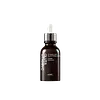
This anti-aging serum is formulated around Tetrahexyldecyl Ascorbate and Palmitoyl Tripeptide-5 to soften the look of wrinkles and brighten dull-looking skin.
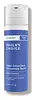
This brightening serum is formulated around Ascorbic Acid and 3-O-Ethyl Ascorbic Acid to brighten dull-looking skin and fade the look of dark spots.


What's inside
What's inside
 Key Ingredients
Benefits
Concerns
Ingredients Side-by-side
Cyclopentasiloxane
Emollient
Dimethicone
Emollient
Tetrahexyldecyl Ascorbate
Antioxidant





Palmitoyl Tripeptide-5
Skin Conditioning

Ceramide NP
Skin Conditioning



Tocotrienols
Skin Conditioning
Tocopherol
Antioxidant
Ubiquinone
Antioxidant
Thioctic Acid
Antioxidant
Tocopheryl Acetate
Antioxidant
Magnesium Ascorbyl Phosphate
Antioxidant
Ferulic Acid
Antimicrobial
Beta-Glucan
Skin Conditioning
Superoxide Dismutase
Antioxidant
Epigallocatechin Gallate
Antioxidant
Ergothioneine
Antioxidant
Glutathione
Xanthophylls
Skin ConditioningGlycine Soja Seed Extract
Skin Conditioning
Glycerin
Humectant
Arctostaphylos Uva Ursi Leaf Extract
Skin Conditioning
Lupinus Albus Seed Extract
Skin ConditioningCurcuma Longa Root
Skin ConditioningElaeis Guineensis Oil
Emollient




Phenoxyethanol
Preservative
Cyclopentasiloxane, Dimethicone, Tetrahexyldecyl Ascorbate, Palmitoyl Tripeptide-5, Ceramide NP, Tocotrienols, Tocopherol, Ubiquinone, Thioctic Acid, Tocopheryl Acetate, Magnesium Ascorbyl Phosphate, Ferulic Acid, Beta-Glucan, Superoxide Dismutase, Epigallocatechin Gallate, Ergothioneine, Glutathione, Xanthophylls, Glycine Soja Seed Extract, Glycerin, Arctostaphylos Uva Ursi Leaf Extract, Lupinus Albus Seed Extract, Curcuma Longa Root, Elaeis Guineensis Oil, Phenoxyethanol
Water
Skin ConditioningAscorbic Acid
Antioxidant
Tromethamine
BufferingDimethicone
Emollient
Butylene Glycol
Humectant
Dipropylene Glycol
Humectant3-O-Ethyl Ascorbic Acid
Skin Conditioning
Bis-Ethoxydiglycol Cyclohexane 1,4-Dicarboxylate
EmollientSqualane
Emollient
Caffeine
Skin Conditioning
Sodium Chloride
MaskingPanthenol
Skin Conditioning
Acetyl Glucosamine
Skin Conditioning
Sodium Hyaluronate
Humectant
Gluconolactone
Chelating

Glutathione
Pentylene Glycol
Skin Conditioning
Parfum
Masking


Ascorbyl Tetraisopalmitate
Antioxidant
Xanthan Gum
EmulsifyingSodium Sulfite
Preservative
Disodium EDTA
ChelatingGardenia Florida Fruit Extract
Skin ConditioningFerulic Acid
Antimicrobial
Dextrin
AbsorbentAchillea Millefolium Extract
CleansingTocopherol
Antioxidant
Arginine
Masking
Niacinamide
Smoothing
Glycyrrhiza Glabra Root Extract
Bleaching
Methyl Trimethicone
Skin Conditioning
Carthamus Tinctorius Seed Oil
Masking
Water, Ascorbic Acid, Tromethamine, Dimethicone, Butylene Glycol, Dipropylene Glycol, 3-O-Ethyl Ascorbic Acid, Bis-Ethoxydiglycol Cyclohexane 1,4-Dicarboxylate, Squalane, Caffeine, Sodium Chloride, Panthenol, Acetyl Glucosamine, Sodium Hyaluronate, Gluconolactone, Glutathione, Pentylene Glycol, Parfum, Ascorbyl Tetraisopalmitate, Xanthan Gum, Sodium Sulfite, Disodium EDTA, Gardenia Florida Fruit Extract, Ferulic Acid, Dextrin, Achillea Millefolium Extract, Tocopherol, Arginine, Niacinamide, Glycyrrhiza Glabra Root Extract, Methyl Trimethicone, Carthamus Tinctorius Seed Oil
Reviews
Ingredients Explained
These ingredients are found in both products.
Ingredients higher up in an ingredient list are typically present in a larger amount.
Dimethicone is a type of synthetic silicone created from natural materials such as quartz. It is also known as polydimethylsiloxane.
What it does:
Dimethicone comes in different viscosities:
Depending on the viscosity, dimethicone has different properties.
Ingredients lists don't always show which type is used, so we recommend reaching out to the brand if you have questions about the viscosity.
This ingredient is unlikely to cause irritation because it does not get absorbed into skin. However, people with silicone allergies should be careful about using this ingredient.
Note: Dimethicone may contribute to pilling. This is because it is not oil or water soluble, so pilling may occur when layered with products. When mixed with heavy oils in a formula, the outcome is also quite greasy.
Learn more about DimethiconeFerulic Acid is a plant based antioxidant that can be naturally found in the cell walls of grains like rice, oats, and corn. It has antioxidant and antimicrobial properties, and has the ability to boost the performance of other antioxidants as well.
A well-known study found that adding Ferulic Acid to a solution of Vitamins C and E doubled the photoprotection of skin. This is why you'll often see it paired with Vitamin C or Vitamin E serums rather than sold on its own.
A 2025 review of 18 human studies found that using Ferulic Acid (0.5-1%) daily for one to three months showed improvements in:
As far as allergies go, Ferulic acid is generally well-tolerated but can cause an allergic reaction in very rare cases. It's also worth noting that Ferulic acid is often extracted from plant sources like rice bran or wheat bran, so be sure to path test if you have known grain allergies.
Outside of skincare, researchers are also looking into Ferulic Acid for its potential benefits in areas like diabetes, Alzheimer's, and heart health.
Learn more about Ferulic AcidGlutathione is a tiny protein-like molecule (a "tripeptide" build from 3 amino acids: glycine, cysteine, and glutamic acid) that your body already makes on its own.
Inside your body, it acts as one of the skin's main antioxidants that help fight against free radicals.
In skincare, it's best known as a brightening ingredient that slows down tyrosinase, the key enzyme that makes skin pigment. It also nudges the skin toward making a lighter type of pigment instead of a darker one.
This is why you'll see it in products aimed at dark spots and uneven tone.
A small number of real human trials have found a topical glutathione lotion:
The honest caveat is that the current evidence is still thin (few studies, small groups, short timelines). Glutathione also doesn't absorb into skin very easily so results tend to be modest and fade if you stop using it.
One thing worth clearing up:
The scary side effects you may have heard about come from glutathione injected intravenously, which has real safety concerns. Applying it topically is a completely different thing and has a clean track record.
Most human studies used it around 2% (as Glutathione or Glutathione Disulfide) and a 2% oxidized glutathione lotion and a 2% S-acyl glutathione cream are the concentrations with actual clinical data behind them.
There's no established "ideal" percentage yet but 1-2% is the evidence-backed range.
Allergy-wise, there is very low risk for this ingredient; it was well-tolerated across the topical trials. Only one participant had mild temporary redness that cleared up on its own and another study reported no adverse reactions at all.
One trial had ~10% of users drop out for irritation was using a combination cream that also had 10% azelaic acid so the irritation likely wasn't from the glutathione. There's no notable contact-allergy signal for topical glutathione in the literature but patch-testing before first use is still sensible for those with sensitive skin.
Learn more about GlutathioneTocopherol is a fat-soluble antioxidant known as Vitamin E.
You'll find this ingredient in the vast majority of skincare (for good reason). It works to neutralize free radicals, or unstable molecules generated by UV exposure, pollution, and other environmental stressors, before they can cause oxidative damage to your skin cells.
Topically applied tocopherol has been shown to protect against UV damage by ramping up the skin's own natural defense enzymes.
It also acts as a skin conditioning agent; some studies show that regular topical use can improve the skin's water-binding capacity over 2-4 weeks.
This ingredient is especially loved for being a team player. When combined with Vitamin C, the photoprotective effect of both ingredients roughly doubles and the combo also helps reduce UV-induced DNA damage.
This ingredient has some brightening potential but it's more of a prevention ingredient than spot-fader. Cell studies show it can slow down melanin production but it's worth noting that it's not the most powerful brightener out there.
In formulations, it also serves as a stabilizer that helps protect other oxidation-prone ingredients from degrading.
Concentrations usually range from 0.1-1% in most leave-on products.
Learn more about Tocopherol

