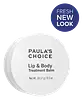
This barrier-repair lip moisturizer is formulated around Ricinus Communis Seed Oil and Petrolatum to strengthen the lip barrier and hydrate lips.
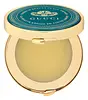
This barrier-repair lip moisturizer is formulated around Helianthus Annuus Seed Oil and Butyrospermum Parkii Butter to strengthen the lip barrier and hydrate lips.


What's inside
What's inside
 Key Ingredients
Benefits
Concerns
Ingredients Side-by-side
Ricinus Communis Seed Oil
Masking




Petrolatum
Emollient

Euphorbia Cerifera Wax
Lanolin
Emollient
C10-30 Cholesterol/Lanosterol Esters
Emulsifying
Cera Alba
Emollient
Ozokerite
Emulsion StabilisingEthylhexyl Palmitate
Emollient
Copernicia Cerifera Wax
Butyrospermum Parkii Butter
Skin Conditioning
Jojoba Esters
Emollient
Triticum Vulgare Germ Oil
Emollient
Bisabolol
Antioxidant



Tetrahexyldecyl Ascorbate
Antioxidant



Tocopheryl Acetate
Antioxidant
Trihydroxystearin
Skin Conditioning
Hydrogenated Polyisobutene
EmollientRicinus Communis Seed Oil, Petrolatum, Euphorbia Cerifera Wax, Lanolin, C10-30 Cholesterol/Lanosterol Esters, Cera Alba, Ozokerite, Ethylhexyl Palmitate, Copernicia Cerifera Wax, Butyrospermum Parkii Butter, Jojoba Esters, Triticum Vulgare Germ Oil, Bisabolol, Tetrahexyldecyl Ascorbate, Tocopheryl Acetate, Trihydroxystearin, Hydrogenated Polyisobutene
Caprylic/Capric Triglyceride
Masking
Helianthus Annuus Seed Oil
Emollient
Butyrospermum Parkii Butter
Skin Conditioning
Tribehenin
Emollient
Ricinus Communis Seed Oil
Masking
Helianthus Annuus Seed Wax
Skin Conditioning
Euphorbia Cerifera Cera
Astringent
Copernicia Cerifera Cera
Emollient
Silica
Abrasive

Bisabolol
Antioxidant
Polyglyceryl-3 Diisostearate
Emulsifying
Simmondsia Chinensis Seed Oil
Emollient
Glycine Soja Oil
Emollient
Hydrogenated Castor Oil
Emollient
Lecithin
Emollient
Tocopherol
Antioxidant
Ascorbyl Palmitate
Antioxidant
Calendula Officinalis Flower Extract
Masking
Rosa Hybrid Flower Extract
Skin ConditioningMalva Sylvestris Flower/Leaf Extract
Skin ConditioningCitric Acid
Buffering
Benzyl Alcohol
Perfuming



Iron Oxides
Caprylic/Capric Triglyceride, Helianthus Annuus Seed Oil, Butyrospermum Parkii Butter, Tribehenin, Ricinus Communis Seed Oil, Helianthus Annuus Seed Wax, Euphorbia Cerifera Cera, Copernicia Cerifera Cera, Silica, Bisabolol, Polyglyceryl-3 Diisostearate, Simmondsia Chinensis Seed Oil, Glycine Soja Oil, Hydrogenated Castor Oil, Lecithin, Tocopherol, Ascorbyl Palmitate, Calendula Officinalis Flower Extract, Rosa Hybrid Flower Extract, Malva Sylvestris Flower/Leaf Extract, Citric Acid, Benzyl Alcohol, Iron Oxides
Reviews
Ingredients Explained
These ingredients are found in both products.
Ingredients higher up in an ingredient list are typically present in a larger amount.
Bisabolol is a gentle skin conditioner, antioxidant, and soothing ingredient.
It's primary claim to fame is soothing and research shows topically applied bisabolol can quiet the chemical messengers that cause your skin to become inflamed, helping to sooth any irritation.
A clinical study found that applying 0.5% bisabolol daily for 8 weeks produced an average 9% decrease in skin pigmentation. Researchers found it can also suppress the process that leads to excess melanin production in skin.
In vitro studies found that bisabolol combined with propylene glycol significantly increased skin permeability by increasing lipid fluidity in the stratum corneum.
You'll likely see use concentrations quite low, usually 0.1-0.2%.
Overall, this is a well-tolerated ingredient that works well in formulas designed for sensitive, reactive, or post-procedure skin.
Learn more about BisabololThis ingredient is also known as shea butter. It is a plant-derived extract from the nuts of the Africa shea tree and one of the most well-studied emollients.
Because it has a high concentration of fatty acids (primarily oleic, stearic, and linoleic) it is able to form a protective barrier on the skin's surface. This helps seal in moisture and prevents transepidermal water loss (TEWL).
In vitro research found an increase in skin hydration by 58% and a decrease in TEWL by 37.8% after 24 hours of applying this ingredient (pretty impressive for a single ingredient!).
Besides hydration, shea butter also contains triterpenes that have anti-inflammatory potential. In particule, lupeol cinnamate has shown the highest anti-inflammatory activity in vivo.
Shea butter also contains vitamins A and E which may contribute to antioxidant activity.
While Shea Butter has an SPF rating of about 3-4, it is not a sunscreen replacement.
This ingredient may not be fungal acne safe because its fatty acids fall within the C11-C24 range that the Malassezia yeast can metabolize.
This ingredient shows up on a lot of "pore-clogging" lists but there's no real evidence behind that. It doesn't even have a comedogenic rating from an actual study; the numbers you'll find online come from blogs citing other blogs.
Ratings for other ingredients mostly come from a 1980s rabbit ear test. This test doesn't translate well to human skin or to real products because the ingredient sits at a much lower percentage.
Some people still find it breaks them out. So if that's you, definitely trust your skin. Just know this one's based on experience and not evidence.
Learn more about Butyrospermum Parkii ButterThis ingredient is also known as castor oil. It is a skin conditioning ingredient.
The star component of castor oil is ricinoleic acid, an unusual fatty acid that makes up ~80-92% of its composition.
In skincare, it is an emollient that dries down to a solid film with water-binding properties. This helps keep skin hydrated and helps reduce transepidermal water loss (TEWL).
A 2026 dermatology review pulls together its broader uses:
Human clinical testing found this ingredient to be non-irritating and non-sensitizing.
Because castor oil contains fatty acids in the C11-24 range, this ingredient may not be fungal acne safe.
At this time, the literature does not support castor oil in regrowing hair. A 2022 systematic review found no strong evidence that it supports hair growth and only weak evidence that it improves hair shine.
Castor oil itself carries "perfuming" and "masking" function tags according to the official CosIng database. This is because of its mild odor and odor-dampening properties.
Learn more about Ricinus Communis Seed Oil

