
What's inside
What's inside
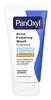 Key Ingredients
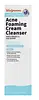
Benefits
Concerns
Ingredients Side-by-side
Benzoyl Peroxide 10%






Water
Skin ConditioningCarbomer
Emulsion StabilisingDecyl Glucoside
Cleansing
Dimethicone
Emollient

Diethylhexyl Sodium Sulfosuccinate
CleansingGlycerin
Humectant

Oleic Acid
Emollient


Palmitic Acid
Emollient
Polyacrylate Crosspolymer-6
Emulsion StabilisingPEG-40 Stearate
Emulsifying
Propanediol
Solvent
Silica
Abrasive


Sodium Chloride
MaskingSodium Citrate
BufferingSodium Hydroxide
BufferingSodium Laurylglucosides Hydroxypropylsulfonate
CleansingSorbitan Stearate
Emulsifying
Stearic Acid
Cleansing
Xanthan Gum
EmulsifyingBenzoyl Peroxide 10%, Water, Carbomer, Decyl Glucoside, Dimethicone, Diethylhexyl Sodium Sulfosuccinate, Glycerin, Oleic Acid, Palmitic Acid, Polyacrylate Crosspolymer-6, PEG-40 Stearate, Propanediol, Silica, Sodium Chloride, Sodium Citrate, Sodium Hydroxide, Sodium Laurylglucosides Hydroxypropylsulfonate, Sorbitan Stearate, Stearic Acid, Xanthan Gum
Benzoyl Peroxide 4%
Water
Skin ConditioningCocamidopropyl Hydroxysultaine
Cleansing
Glycerin
Humectant
Sodium C14-16 Olefin Sulfonate
Cleansing
Propylene Glycol
Humectant
Xanthan Gum
EmulsifyingPropanediol
Solvent
Diethylhexyl Sodium Sulfosuccinate
CleansingPotassium Hydroxide
BufferingCeramide NP
Skin Conditioning



Ceramide AP
Skin Conditioning
Ceramide EOP
Skin Conditioning
Carbomer
Emulsion StabilisingNiacinamide
Smoothing



Glycolic Acid
Buffering
Sodium Chloride
MaskingSodium Citrate
BufferingSodium Hyaluronate
Humectant
Sodium Hydroxide
BufferingSodium Lauroyl Lactylate
EmulsifyingCholesterol
Emollient
Phenoxyethanol
Preservative
Phytosphingosine
Skin Conditioning
Disodium EDTA
Ethylhexylglycerin
Skin ConditioningAcrylates/C10-30 Alkyl Acrylate Crosspolymer
Emulsion StabilisingBenzoyl Peroxide 4%, Water, Cocamidopropyl Hydroxysultaine, Glycerin, Sodium C14-16 Olefin Sulfonate, Propylene Glycol, Xanthan Gum, Propanediol, Diethylhexyl Sodium Sulfosuccinate, Potassium Hydroxide, Ceramide NP, Ceramide AP, Ceramide EOP, Carbomer, Niacinamide, Glycolic Acid, Sodium Chloride, Sodium Citrate, Sodium Hyaluronate, Sodium Hydroxide, Sodium Lauroyl Lactylate, Cholesterol, Phenoxyethanol, Phytosphingosine, Disodium EDTA, Ethylhexylglycerin, Acrylates/C10-30 Alkyl Acrylate Crosspolymer
Reviews
Ingredients Explained
These ingredients are found in both products.
Ingredients higher up in an ingredient list are typically present in a larger amount.
Benzoyl Peroxide (BPO) is one of the most studied and widely used acne-fighting ingredients on the market for over five decades.
It works by releasing oxygen into your pores to kill Cutibacterium acne, or the bacteria closely linked to acne breakouts. This bacteria has a hard time surviving in an oxygen-rich environment.
On top of that, BPO has keratolytic properties to help shed dead skin cells and keep pores from getting clogged.
One of the coolest things about BPO is that bacteria do not develop resistance to it the way they can with antibiotics. That's why dermatologists recommend pairing it with topical antibiotics to keep resistance at bay.
BPO is usually available in 2.5%, 5%, and 10% concentrations. Research has shown that 2.5% tends to be just as effective as the higher strengths while being more gentle on the skin.
The FDA has classified BPO as a safe and effective acne treatment. You'll be able to find this ingredient in over-the-counter products in many countries.
Just so you know, BPO is a known mild irritant. It's common to see dryness, peeling, and some redness when you first start using it. This usually goes away as your skin adjusts.
A very small number of people might develop allergic contact dermatitis from it as patch test studies show positive reactions in about 1-5% of patients.
Once BPO is absorbed into the skin, our bodies turn it into benzoic acid and quickly exits in urine. It's also worth noting that BPO will bleach fabrics and hair, so watch your towels and pillowcases!
Learn more about Benzoyl PeroxideCarbomer is a high-molecular weight polymer of acrylic acid. It is used to form gels and thicken formulas.
Due to its large molecular size, carbomer has minimal skin penetration and is considered an inert ingredient.
A high amount of carbomer can cause pilling or balling up of products. Don't worry, most products contain 1% or less of carbomer.
Learn more about CarbomerThis ingredient is also known as docusate sodium.
Glycerin (or glycerol) is a compound naturally found in your skin. It's a powerhouse humectant that pulls water into the stratum corneum.
Topically, glycerin does several things at once:
Your skin makes glycerin on its own (mostly from sebaceous oil breakdown) and shuttles it to your outermost layer of skin, or your epidermis, via aquaporin-3.
Aquaporin-3 is a transporter that is essential for normal skin hydration, elasticity, and repair. Interestingly, mice lacking in AQP3 have dry and less elastic skin that can be fully corrected with glycerin.
This ingredient is non-irritating, plays well with almost every ingredient, and works across all skin types. Typical use is anywhere between 3-10% but can go up to 79% in some leave-on products.
Just know very high concentrations (>40%) can feel tacky in low humidity.
Glycerin is the name for this ingredient in American English. British English uses Glycerol/Glycerine.
Learn more about GlycerinPropanediol is an all-star ingredient. It softens, hydrates, and smooths the skin.
It’s often used to:
Propanediol is not likely to cause sensitivity and considered safe to use. It is derived from corn or petroleum with a clear color and no scent.
Learn more about PropanediolChances are, you eat sodium chloride every day. Sodium Chloride is also known as table salt. This ingredient has many purposes in skincare: thickener, emulsifier, and exfoliator.
You'll most likely find this ingredient in cleansers where it is used to create a gel-like texture. As an emulsifier, it also prevents ingredients from separating.
You might see people debate whether Sodium Chloride is comedogenic, but there actually haven't been any comedogenic tests done on it. Either way, the overall formulation of a product matters a lot more than any single ingredient.
You might see this ingredient used in scrubs as a primary exfoliating ingredient.
Learn more about Sodium ChlorideSodium Citrate is the sodium salts of citric acid. In skincare, it is used to alter pH levels and acts as a preservative.
Its main functions are to maintain the pH of a product and neutralize metal ions.
The acidity of our skin is maintained by our glands and skin biome; normal pH level of skin is slightly acidic (~4.75-5.5).
Being slightly acidic allows our skin to create an "acid mantle". This acid mantle is a thin barrier that protects our skin from bacteria and contaminants.
Learn more about Sodium CitrateSodium Hydroxide is also known as lye or caustic soda. It is used to adjust the pH of products; many ingredients require a specific pH to be effective.
In small amounts, sodium hydroxide is considered safe to use. However, large amounts may cause chemical burns due to its high alkaline.
Your skin has a natural pH and acid mantle. This acid mantle helps prevent harmful bacteria from breaking through. The acid mantle also helps keep your skin hydrated.
"Alkaline" refers to a high pH level. A low pH level would be considered acidic.
Learn more about Sodium HydroxideWater. It's the most common cosmetic ingredient of all. You'll usually see it at the top of ingredient lists, meaning that it makes up the largest part of the product.
So why is it so popular? Water most often acts as a solvent - this means that it helps dissolve other ingredients into the formulation.
You'll also recognize water as that liquid we all need to stay alive. If you see this, drink a glass of water. Remember to stay hydrated!
Learn more about WaterXanthan gum is used as a stabilizer and thickener within cosmetic products. It helps give products a sticky, thick feeling - preventing them from being too runny.
On the technical side of things, xanthan gum is a polysaccharide - a combination consisting of multiple sugar molecules bonded together.
Xanthan gum is a pretty common and great ingredient. It is a natural, non-toxic, non-irritating ingredient that is also commonly used in food products.
Learn more about Xanthan Gum
