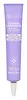
This barrier-repair eye moisturizer is formulated around Palmitoyl Tripeptide-5 and Squalane to strengthen the skin barrier and hydrate skin.
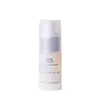
This anti-aging eye moisturizer is formulated around Palmitoyl Tripeptide-1 and Acetyl Hexapeptide-8 to soften the look of wrinkles.

What's inside
What's inside
 Key Ingredients
Benefits
Concerns
Ingredients Side-by-side
Water
Skin ConditioningGlycerin
Humectant


Palmitoyl Tripeptide-5
Skin Conditioning


Cetyl Alcohol
Emollient



Squalane
Emollient
Helianthus Annuus Seed Oil
Emollient
Tocopheryl Acetate
Antioxidant


Stearyl Alcohol
Emollient
Glycolipids
Skin ConditioningGlyceryl Stearate Citrate
Emollient
Glyceryl Laurate
Emollient
Ceramide NP
Skin Conditioning


Ceramide AP
Skin Conditioning
Ceramide EOP
Skin Conditioning
Phytosphingosine
Skin Conditioning
Cholesterol
Emollient
Sodium Lauroyl Lactylate
EmulsifyingCalendula Officinalis Flower Extract
Masking
Althaea Officinalis Root Extract
Skin Conditioning
Caffeine
Skin Conditioning
Aloe Barbadensis Leaf Juice
Skin Conditioning
Tocopherol
Antioxidant
Sorbitan Sesquioleate
Emulsifying
Allantoin
Skin Conditioning
Panthenol
Skin Conditioning
Xanthan Gum
EmulsifyingGlyceryl Stearate
Emollient
Phenoxyethanol
Preservative
Ethylhexylglycerin
Skin ConditioningWater, Glycerin, Palmitoyl Tripeptide-5, Cetyl Alcohol, Squalane, Helianthus Annuus Seed Oil, Tocopheryl Acetate, Stearyl Alcohol, Glycolipids, Glyceryl Stearate Citrate, Glyceryl Laurate, Ceramide NP, Ceramide AP, Ceramide EOP, Phytosphingosine, Cholesterol, Sodium Lauroyl Lactylate, Calendula Officinalis Flower Extract, Althaea Officinalis Root Extract, Caffeine, Aloe Barbadensis Leaf Juice, Tocopherol, Sorbitan Sesquioleate, Allantoin, Panthenol, Xanthan Gum, Glyceryl Stearate, Phenoxyethanol, Ethylhexylglycerin
Palmitoyl Tripeptide-1
Skin Conditioning
Acetyl Hexapeptide-8
Humectant
Palmitoyl Pentapeptide-4
Skin Conditioning
Tocotrienols
Skin Conditioning
Palmitoyl Tetrapeptide-7
Skin Conditioning
Dipalmitoyl Hydroxyproline
Skin Conditioning
Ceramide Ns
Skin Conditioning
Ceramide NP
Skin Conditioning
Hydrogenated Lecithin
Emulsifying
Cholesterol
Emollient
Palmitic Acid
Emollient


Oleic Acid
Emollient
Ceramide AP
Skin Conditioning
Glycosphingolipids
EmollientPhospholipids
Skin Conditioning
Glycolipids
Skin ConditioningOenocarpus Bacaba Fruit Oil
Emollient
Aleurites Moluccanus Seed Oil
Skin Conditioning
Oryza Sativa Bran Oil
Emollient
Linoleic Acid
Cleansing
Tocopherol
Antioxidant
Caprylyl Glycol
Emollient
Ethylhexylglycerin
Skin ConditioningUndecylenoyl Glycine
CleansingCapryloyl Glycine
CleansingPalmitoyl Tripeptide-1, Acetyl Hexapeptide-8, Palmitoyl Pentapeptide-4, Tocotrienols, Palmitoyl Tetrapeptide-7, Dipalmitoyl Hydroxyproline, Ceramide Ns, Ceramide NP, Hydrogenated Lecithin, Cholesterol, Palmitic Acid, Oleic Acid, Ceramide AP, Glycosphingolipids, Phospholipids, Glycolipids, Oenocarpus Bacaba Fruit Oil, Aleurites Moluccanus Seed Oil, Oryza Sativa Bran Oil, Linoleic Acid, Tocopherol, Caprylyl Glycol, Ethylhexylglycerin, Undecylenoyl Glycine, Capryloyl Glycine
Reviews
Alternatives
Ingredients Explained
These ingredients are found in both products.
Ingredients higher up in an ingredient list are typically present in a larger amount.
Ceramide AP is is a skin-identical lipid that mimics what your skin already makes naturally. Ceramides help maintain epidermal integrity and barrier function.
You'll often see this ingredient paired with other ceramides (like ceramide NP), cholesterol, or fatty acids because this combination best mimics the natural lipid mix your skin already has.
The skin's ability to produce ceramides gets disrupted in skin conditions like eczema. This in turn weakens the skin barrier and applying ceramides topically has been shown to replenish what's been lost to restore barrier function.
Most of the studies with Ceramide AP test it as part of a multi-ceramide complex; studies reinforce ceramide AP's role in rebalancing ceramides in skin and improving skin hydration.
Learn more about Ceramide APCeramide NP (formerly known as Ceramide 3) is one of the skin's naturally occurring lipids.
Since ceramides are the major lipid components of the skin, they are crucial for maintaining skin barrier and hydration. Ceramide NP most closely mirrors the dominant kind in human skin amongst ceramide subtypes.
This ceramide works by slotting into gaps within the stratum corneum's lipid matrix to limit trans-epidermal water loss (TEWL) and shield the skin against external irritants.
A study with 312 patients found that using a ceramide-containing routine for 4 weeks reduced the severity of atopic dermatitis by over 61%.
Another clinical study in subjects aged 60 and older found that a ceramide body wash and moisturizer improved skin dryness and itchy skin in 15 days.
Overall, ceramides are considered non-irritating and safety tests have found little to no observable adverse effects from using this ingredient.
Ceramide NP is usually sourced from plants (like soybean or rice bran), or produced synthetically.
Learn more about Ceramide NPCholesterol is a lipid that is naturally found in human skin and is one of the three key components of your skin barrier. In skincare, it is an emollient and barrier-repairing ingredient.
It works by fitting directly into the lipid layers of skin to help restore structure and reduce transepidermal water loss (TEWL).
This is a great ingredient for dry, compromised, or aging skin; our skin starts to produce less cholesterol with age.
Research shows cholesterol works best in combination with ceramides and fatty acids, the other two major components in your skin barrier.
Cholesterol is also a well-establish penetration enhancer and can help other actives absorb more effectively.
Cosmetic-grade cholesterol is usually derived from lanolin but plant and synthetic options also exist. We recommend reaching out to the brand if you have questions about their source of cholesterol.
Learn more about CholesterolEthylhexylglycerin is created from glycerin. It is a multitasker ingredient that:
The CIR Expert Panel found minimal skin absorption or sensitization of any kind in a safety assessment. Though this ingredient is considered well-tolerated, a small number of cases of allergic dermatitis have been published since 2002. Just be sure to patch test if you are unsure.
Industry-reported use ranges from 8% in rinse-off products and 2% in leave-on formulations.
Learn more about EthylhexylglycerinGlycolipids are natural, sustainable biosurfactants. They are both surfactants (cleansing agents) and emollients.
Made from lipids and sugars, in-vitro studies show glycolipids are a gentle alternative to conventional surfactants. They also possess foaming properties to give cleaning products a nice texture.
One manufacturer study found their glycolipid also demonstrated sebum reduction and helped reduced oiliness after four weeks. This means it can also be great for scalp care.
Learn more about GlycolipidsTocopherol is a fat-soluble antioxidant known as Vitamin E.
You'll find this ingredient in the vast majority of skincare (for good reason). It works to neutralize free radicals, or unstable molecules generated by UV exposure, pollution, and other environmental stressors, before they can cause oxidative damage to your skin cells.
Topically applied tocopherol has been shown to protect against UV damage by ramping up the skin's own natural defense enzymes.
It also acts as a skin conditioning agent; some studies show that regular topical use can improve the skin's water-binding capacity over 2-4 weeks.
This ingredient is especially loved for being a team player. When combined with Vitamin C, the photoprotective effect of both ingredients roughly doubles and the combo also helps reduce UV-induced DNA damage.
This ingredient has some brightening potential but it's more of a prevention ingredient than spot-fader. Cell studies show it can slow down melanin production but it's worth noting that it's not the most powerful brightener out there.
In formulations, it also serves as a stabilizer that helps protect other oxidation-prone ingredients from degrading.
Concentrations usually range from 0.1-1% in most leave-on products.
Learn more about Tocopherol

