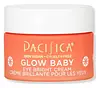
This brightening eye moisturizer is formulated around Sodium Ascorbyl Phosphate and Caffeine to brighten dull-looking skin.
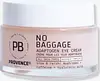
This anti-aging eye moisturizer is formulated around Tremella Fuciformis Extract and Caffeine to soften the look of wrinkles and hydrate skin.

What's inside
What's inside
 Key Ingredients
Benefits
Concerns
Ingredients Side-by-side
Water
Skin ConditioningCaprylic/Capric Triglyceride
Masking


Stearyl Alcohol
Emollient


Carthamus Tinctorius Seed Oil
Masking
Polyglyceryl-2 Stearate
Emulsifying
Butyrospermum Parkii Butter
Skin Conditioning


Theobroma Cacao Seed Butter
Emollient
Jojoba Esters
Emollient
Sodium Ascorbyl Phosphate
Antioxidant







Pyrus Malus Fruit Extract
Skin Conditioning
Caffeine
Skin Conditioning
Sodium Hyaluronate
Humectant
Helianthus Annuus Seed Oil
Emollient
Camellia Sinensis Leaf Extract
Antimicrobial
Arginine
Masking
Caprylhydroxamic Acid
ChelatingSqualane
Emollient
Ethylhexyl Olivate
Skin Conditioning
Glycerin
Humectant
Propanediol
Solvent
Sodium Gluconate
ChelatingCetearyl Phosphate
Skin Conditioning
CI 77891
Cosmetic ColorantCI 77491
Cosmetic ColorantCetyl Hydroxyethylcellulose
Emulsion StabilisingMica
Cosmetic ColorantCaprylyl Glycol
Emollient
Citric Acid
Buffering
Water, Caprylic/Capric Triglyceride, Stearyl Alcohol, Carthamus Tinctorius Seed Oil, Polyglyceryl-2 Stearate, Butyrospermum Parkii Butter, Theobroma Cacao Seed Butter, Jojoba Esters, Sodium Ascorbyl Phosphate, Pyrus Malus Fruit Extract, Caffeine, Sodium Hyaluronate, Helianthus Annuus Seed Oil, Camellia Sinensis Leaf Extract, Arginine, Caprylhydroxamic Acid, Squalane, Ethylhexyl Olivate, Glycerin, Propanediol, Sodium Gluconate, Cetearyl Phosphate, CI 77891, CI 77491, Cetyl Hydroxyethylcellulose, Mica, Caprylyl Glycol, Citric Acid
Water
Skin ConditioningPropanediol
Solvent
Sodium Acrylates Copolymer
Tremella Fuciformis Extract
Humectant
Ganoderma Lucidum Extract
Skin Protecting
Caffeine
Skin Conditioning
Hyaluronic Acid
Humectant
Inonotus Obliquus Extract
Skin ConditioningAuricularia Auricula-Judae Extract
Skin ConditioningGrifola Frondosa Extract
Skin ConditioningNiacinamide
Smoothing


Morus Alba Extract
AstringentHelichrysum Stoechas Flower Extract
Perfuming
Pinus Pinaster Bark Extract
Antioxidant
Prunus Armeniaca Fruit Extract
Skin ConditioningTerminalia Ferdinandiana Fruit Extract
Antioxidant
Tocopherol
Antioxidant
Simmondsia Chinensis Seed Oil
Emollient
Melia Azadirachta Leaf Extract
Skin ConditioningFlower Extract
Chondrus Crispus Extract
Skin Conditioning
Betaine
Humectant
Coccinia Indica Fruit Extract
Skin Conditioning
Glycerin
Humectant
Pullulan
Lecithin
Emollient
Caprylic/Capric Triglyceride
Masking
Caprylhydroxamic Acid
Chelating1,2-Hexanediol
Skin Conditioning
Sodium Benzotriazolyl Butylphenol Sulfonate
UV AbsorberWater, Propanediol, Sodium Acrylates Copolymer, Tremella Fuciformis Extract, Ganoderma Lucidum Extract, Caffeine, Hyaluronic Acid, Inonotus Obliquus Extract, Auricularia Auricula-Judae Extract, Grifola Frondosa Extract, Niacinamide, Morus Alba Extract, Helichrysum Stoechas Flower Extract, Pinus Pinaster Bark Extract, Prunus Armeniaca Fruit Extract, Terminalia Ferdinandiana Fruit Extract, Tocopherol, Simmondsia Chinensis Seed Oil, Melia Azadirachta Leaf Extract, Flower Extract, Chondrus Crispus Extract, Betaine, Coccinia Indica Fruit Extract, Glycerin, Pullulan, Lecithin, Caprylic/Capric Triglyceride, Caprylhydroxamic Acid, 1,2-Hexanediol, Sodium Benzotriazolyl Butylphenol Sulfonate
Reviews
Ingredients Explained
These ingredients are found in both products.
Ingredients higher up in an ingredient list are typically present in a larger amount.
Caffeine is a naturally occurring plant compound found in coffee beans, tea leaves, cocoa pods, and guarana.
As an antioxidant, caffeine protects your skin from free radical damage caused by UV exposure and envionrmnetal stressors.
Early research also shows that caffeine can help calm redness, soothe irritated skin, and support hair growth by stimulating microcirculation in the scalp.
You might have seen eye creams marketing caffeine as a depuffing ingredient. This is because it is a vasoconstrictor meaning it can temporarily constrict blood vessels, though clinical evidence for this specific use is still limited.
Most skincare products contain this ingredient at concentrations between 1-6%. It is able to penetrate skin easily regardless of skin type or thickness.
Just so you know, a very small number of case reports describe caffeine-induced allergy. This ingredient is generally well-tolerated, non-irritating, and non-sensitizing for the majority of people.
Learn more about CaffeineCaprylhydroxamic Acid is a chelating agent that helps cosmetics stay fresh, stable, and consistent over time.
Chelating agents help prevent metal ions from binding to other ingredients. This helps prevent unwanted reactions and effects from using the product. It also helps prevent the growth of unwanted microbes in products that contain water.
Caprylhydroxamic Acid is often used with natural antimicrobial products as an alternative to preservatives.
Learn more about Caprylhydroxamic AcidCaprylic/Capric Triglyceride (aka MCT Oil) is a lightweight emollient, solvent, and texture enhancer. It is considered a skin-softener by helping to prevent moisture loss.
Though it behaves like an oil, it is not technically one due to its chemical composition. One perk of this ingredient is that it is very stable, resistant to oxidation, and unlikely to go rancid.
In practice, that translates to a long shelf life and a consistently elegant skin feel.
While there is an assumption Caprylic Triglyceride can clog pores due to it being derived from coconut oil, there is no research supporting this. Just patch test if you have concerns.
Fractionated coconut oil and MCT Oil are both listed as Caprylic/Capric Triglyceride according to INCI. This is because INCI names are based on the ingredient’s final chemical composition and not its marketing name or source.
This ingredient is treated as the gold standard fungal acne safe oil. Even though it is coconut derived, the problematic lauric acid is stripped out.
This leaves just caprylic (C8) and capric (C10) acid. These chain lengths actually trend antifungal; a 2020 study found caprylic acid was enough to disrupt Malassezia furfur cell membrane, with a caprylic acid derivative damaging membrane structures at concentrations as low as 0.2%.
Learn more about Caprylic/Capric TriglycerideGlycerin (or glycerol) is a compound naturally found in your skin. It's a powerhouse humectant that pulls water into the stratum corneum.
Topically, glycerin does several things at once:
Your skin makes glycerin on its own (mostly from sebaceous oil breakdown) and shuttles it to your outermost layer of skin, or your epidermis, via aquaporin-3.
Aquaporin-3 is a transporter that is essential for normal skin hydration, elasticity, and repair. Interestingly, mice lacking in AQP3 have dry and less elastic skin that can be fully corrected with glycerin.
This ingredient is non-irritating, plays well with almost every ingredient, and works across all skin types. Typical use is anywhere between 3-10% but can go up to 79% in some leave-on products.
Just know very high concentrations (>40%) can feel tacky in low humidity.
Glycerin is the name for this ingredient in American English. British English uses Glycerol/Glycerine.
Learn more about GlycerinPropanediol is an all-star ingredient. It softens, hydrates, and smooths the skin.
It’s often used to:
Propanediol is not likely to cause sensitivity and considered safe to use. It is derived from corn or petroleum with a clear color and no scent.
Learn more about PropanediolWater. It's the most common cosmetic ingredient of all. You'll usually see it at the top of ingredient lists, meaning that it makes up the largest part of the product.
So why is it so popular? Water most often acts as a solvent - this means that it helps dissolve other ingredients into the formulation.
You'll also recognize water as that liquid we all need to stay alive. If you see this, drink a glass of water. Remember to stay hydrated!
Learn more about Water

