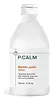
This barrier-repair toner is formulated around Niacinamide and Panthenol to strengthen the skin barrier and calm redness.
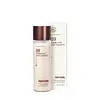
This calming essence is formulated around Saccharomyces/Xylinum/Black Tea Ferment and Adenosine to calm redness and soften the look of wrinkles.

What's inside
What's inside
 Key Ingredients
Benefits
Concerns
Ingredients Side-by-side
Water
Skin ConditioningButylene Glycol
Humectant

Propanediol
Solvent
1,2-Hexanediol
Skin Conditioning
Niacinamide
Smoothing










Panthenol
Skin Conditioning
Ethylhexylglycerin
Skin ConditioningAllantoin
Skin Conditioning
Adenosine
Skin Conditioning
Xanthan Gum
EmulsifyingDisodium EDTA
ChelatingPolyquaternium-51
Skin Conditioning
Laurus Nobilis Leaf Extract
MaskingPlantago Asiatica Extract
Skin ConditioningSodium Hyaluronate
Humectant
Hamamelis Virginiana Water
Astringent



Amorphophallus Konjac Root Extract
HumectantSodium Guaiazulene Sulfonate
SurfactantCarica Papaya Fruit Extract
Skin ConditioningLactobacillus Ferment
Skin Conditioning
Bambusa Vulgaris Extract
Skin Conditioning
Chamaecyparis Obtusa Leaf Extract
Skin ConditioningPinus Densiflora Leaf Extract
Antimicrobial
Thuja Orientalis Extract
AntimicrobialAcacia Seyal Gum Extract
HumectantCentella Asiatica Extract
Cleansing
Melaleuca Alternifolia Leaf Extract
Perfuming
Oryza Sativa Bran Extract
Skin Conditioning
Asiatic Acid
Skin Conditioning
Asiaticoside
Antioxidant
Madecassic Acid
Skin Conditioning
Madecassoside
Antioxidant
Water, Butylene Glycol, Propanediol, 1,2-Hexanediol, Niacinamide, Panthenol, Ethylhexylglycerin, Allantoin, Adenosine, Xanthan Gum, Disodium EDTA, Polyquaternium-51, Laurus Nobilis Leaf Extract, Plantago Asiatica Extract, Sodium Hyaluronate, Hamamelis Virginiana Water, Amorphophallus Konjac Root Extract, Sodium Guaiazulene Sulfonate, Carica Papaya Fruit Extract, Lactobacillus Ferment, Bambusa Vulgaris Extract, Chamaecyparis Obtusa Leaf Extract, Pinus Densiflora Leaf Extract, Thuja Orientalis Extract, Acacia Seyal Gum Extract, Centella Asiatica Extract, Melaleuca Alternifolia Leaf Extract, Oryza Sativa Bran Extract, Asiatic Acid, Asiaticoside, Madecassic Acid, Madecassoside
Saccharomyces/Xylinum/Black Tea Ferment
Skin Conditioning
Adenosine
Skin Conditioning
Polygonum Multiflorum Root Extract
Skin ConditioningZanthoxylum Piperitum Fruit Extract
Skin ConditioningDioscorea Villosa Root Extract
Skin Conditioning
Brassica Oleracea Capitata Leaf Extract
Skin ConditioningPinus Densiflora Leaf Extract
Antimicrobial
Achillea Millefolium Extract
CleansingCamellia Sinensis Leaf Extract
Antimicrobial
Eucalyptus Globulus Leaf Extract
Perfuming
Paeonia Officinalis Root Extract
Skin ConditioningZingiber Officinale Root Extract
Masking
Angelica Keiskei Extract
Antioxidant
Oryza Sativa Extract
Absorbent
Eclipta Prostrata Extract
Skin Conditioning
Lupine Amino Acids
Skin ConditioningSaccharomyces/Xylinum/Black Tea Ferment, Adenosine, Polygonum Multiflorum Root Extract, Zanthoxylum Piperitum Fruit Extract, Dioscorea Villosa Root Extract, Brassica Oleracea Capitata Leaf Extract, Pinus Densiflora Leaf Extract, Achillea Millefolium Extract, Camellia Sinensis Leaf Extract, Eucalyptus Globulus Leaf Extract, Paeonia Officinalis Root Extract, Zingiber Officinale Root Extract, Angelica Keiskei Extract, Oryza Sativa Extract, Eclipta Prostrata Extract, Lupine Amino Acids
Reviews
Alternatives
Ingredients Explained
These ingredients are found in both products.
Ingredients higher up in an ingredient list are typically present in a larger amount.
Adenosine is a purine nucleoside that your body already makes in every cell. In skincare, it acts mainly as a skin conditioning and anti-aging agent.
The way it works is fairly well mapped out:
Your skin has cells called fibroblasts that build collagen (the stuff that keeps skin firm and smooth). Adenosine basically flips a switch on these cells that tells them to get to work making more collagen and other proteins. These cells slow down on their own as skin ages, so Adenosine helps give them a little nudge to keep going.
The clinical backing is pretty solid too.
A blind, randomized, placebo-controlled trial of 126 women aged 45-65 tested a 0.1% cream twice daily and found real improvements in crow's feet and frown lines using a precise 3D skin-mapping technique; these changes showed up by week 3 and held at 2 months.
A later study using Adenosine-loaded dissolving microneedle patches reported gains in wrinkle depth, dermal density, elasticity, and hydration.
On concentrations, South Korea's Ministry of Food and Drug Safety has set 0.04% as the approved functional anti-wrinkle level. You'll typically see this ingredient used somewhere in the 0.04-0.1% range since it works at low doses.
This ingredient has been found safe for cosmetics with the data showing no irritation or sensitization.
Overall, this is a great ingredient for any anti-aging routine and has no photosensitizing effect, so it suits both AM and PM use.
Learn more about AdenosineThis ingredient comes from the needles of the pine tree native to Korea and Japan. It's rich in antioxidant compounds like protocatechuic acid and shikimic acid.
Research on human skin fibroblast cells found that the extract inhibited UVB-induced cytotoxicity and suppressed the enzymes that break down collagen and reduce skin elasticity. This extract also inhibited elastase activity which is relevant for maintaining skin firmness over time.
Studies also show that it has antifungal activity against Malassezia furfur. This is the yeast that causes conditions like dandruff, seborrheic dermatitis, and folliculitis (fungal acne). It also displays anti-inflammatory activity.
On top of all this, all tested fractions of the extract demonstrated significant tyrosinase inhibitory activity comparable to ascorbic acid. This suggests it can play a potential role in fading hyperpigmentation.
Learn more about Pinus Densiflora Leaf Extract

