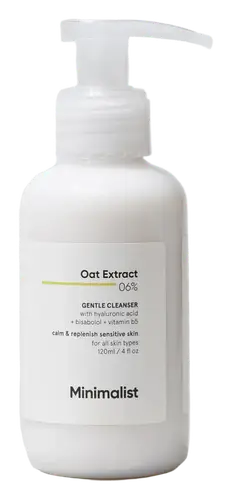
This glycolic acid gel cleanser is formulated around Glycolic Acid to exfoliate and smooth skin.
This lactic acid foaming cleanser is formulated around Lactic Acid to exfoliate and smooth skin.


What's inside
What's inside
 Key Ingredients
Benefits
Concerns
Ingredients Side-by-side
Water
Skin ConditioningSodium Lauroyl Methyl Isethionate
CleansingCocamidopropyl Betaine
Cleansing



Acrylates Copolymer
Glycerin
Humectant


Aphanizomenon Flos-Aquae Extract
HumectantRose Extract
Skin ConditioningLeuconostoc/Radish Root Ferment Filtrate
Antimicrobial
Hydrogenated Starch Hydrolysate
HumectantPvm/Ma Copolymer
Emulsion StabilisingGlycolic Acid
Buffering








Hydroxyacetophenone
Antioxidant
Niacinamide
Smoothing


Ascorbic Acid
Antioxidant
Cocos Nucifera Water
Masking
Trehalose
Humectant
Maltodextrin
Absorbent
Tocopherol
Antioxidant
Gluconolactone
Skin Conditioning
Glyceryl Acrylate/Acrylic Acid Copolymer
HumectantTrisodium Ethylenediamine Disuccinate
Ethylhexylglycerin
Skin ConditioningCitric Acid
Buffering
Tetrasodium Glutamate Diacetate
Sodium Hydroxide
BufferingPhenoxyethanol
Preservative
Potassium Sorbate
Preservative
Sodium Benzoate
Masking
Parfum
Masking

Water, Sodium Lauroyl Methyl Isethionate, Cocamidopropyl Betaine, Acrylates Copolymer, Glycerin, Aphanizomenon Flos-Aquae Extract, Rose Extract, Leuconostoc/Radish Root Ferment Filtrate, Hydrogenated Starch Hydrolysate, Pvm/Ma Copolymer, Glycolic Acid, Hydroxyacetophenone, Niacinamide, Ascorbic Acid, Cocos Nucifera Water, Trehalose, Maltodextrin, Tocopherol, Gluconolactone, Glyceryl Acrylate/Acrylic Acid Copolymer, Trisodium Ethylenediamine Disuccinate, Ethylhexylglycerin, Citric Acid, Tetrasodium Glutamate Diacetate, Sodium Hydroxide, Phenoxyethanol, Potassium Sorbate, Sodium Benzoate, Parfum
Water
Skin ConditioningSodium Cocoamphoacetate
CleansingSodium Laureth Sulfate
Cleansing

Methylpropanediol
SolventDisodium EDTA
Lactic Acid
Buffering
Zinc Sulfate
Antimicrobial
Sodium Chloride
MaskingCopper Sulfate
Skin ConditioningPotassium Sorbate
Preservative
Xylitol
Humectant
Fructooligosaccharides
Humectant
Mannitol
Humectant
Rhamnose
HumectantPropylene Glycol
Humectant
Sodium Hydroxide
BufferingGinkgo Biloba Leaf Extract
Skin Conditioning
Parfum
Masking
Reviews
Ingredients Explained
These ingredients are found in both products.
Ingredients higher up in an ingredient list are typically present in a larger amount.
Parfum is a catch-all term for an ingredient or more that is used to give a scent to products.
Also called "fragrance", this ingredient can be a blend of hundreds of chemicals or plant oils. This means every product with "fragrance" or "parfum" in the ingredients list is a different mixture.
For instance, Habanolide is a proprietary trade name for a specific aroma chemical. When used as a fragrance ingredient in cosmetics, most aroma chemicals fall under the broad labeling category of “FRAGRANCE” or “PARFUM” according to EU and US regulations.
The term 'parfum' or 'fragrance' is not regulated in many countries. In many cases, it is up to the brand to define this term.
For instance, many brands choose to label themselves as "fragrance-free" because they are not using synthetic fragrances. However, their products may still contain ingredients such as essential oils that are considered a fragrance by INCI standards.
One example is Calendula flower extract. Calendula is an essential oil that still imparts a scent or 'fragrance'.
Depending on the blend, the ingredients in the mixture can cause allergies and sensitivities on the skin. Some ingredients that are known EU allergens include linalool and citronellol.
Parfum can also be used to mask or cover an unpleasant scent.
The bottom line is: not all fragrances/parfum/ingredients are created equally. If you are worried about fragrances, we recommend taking a closer look at an ingredient. And of course, we always recommend speaking with a professional.
Learn more about ParfumPotassium Sorbate is a preservative used to prevent yeast and mold in products. It is commonly found in both cosmetic and food products.
This ingredient comes from potassium salt derived from sorbic acid. Sorbic acid is a natural antibiotic and effective against fungus.
Both potassium sorbate and sorbic acid can be found in baked goods, cheeses, dried meats, dried fruit, ice cream, pickles, wine, yogurt, and more.
You'll often find this ingredient used with other preservatives.
Learn more about Potassium SorbateSodium Hydroxide is also known as lye or caustic soda. It is used to adjust the pH of products; many ingredients require a specific pH to be effective.
In small amounts, sodium hydroxide is considered safe to use. However, large amounts may cause chemical burns due to its high alkaline.
Your skin has a natural pH and acid mantle. This acid mantle helps prevent harmful bacteria from breaking through. The acid mantle also helps keep your skin hydrated.
"Alkaline" refers to a high pH level. A low pH level would be considered acidic.
Learn more about Sodium HydroxideWater. It's the most common cosmetic ingredient of all. You'll usually see it at the top of ingredient lists, meaning that it makes up the largest part of the product.
So why is it so popular? Water most often acts as a solvent - this means that it helps dissolve other ingredients into the formulation.
You'll also recognize water as that liquid we all need to stay alive. If you see this, drink a glass of water. Remember to stay hydrated!
Learn more about Water