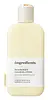
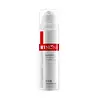
ongredients Skin Barrier Calming Lotion Versus Winona Anti-Sensitive Moisturizing Tolerance Extreme Cream
This barrier-repair moisturizer is formulated around Centella Asiatica Extract and Copper Tripeptide-1 to strengthen the skin barrier and calm redness.
This barrier-repair moisturizer is formulated around Portulaca Oleracea Extract and Beta-Glucan to strengthen the skin barrier and calm redness.


What's inside
What's inside
 Key Ingredients
Benefits
Concerns
Ingredients Side-by-side
Water
Skin ConditioningGlycerin
Humectant


Propanediol
Solvent
Caprylic/Capric Triglyceride
Masking
Cetyl Ethylhexanoate
Emollient1,2-Hexanediol
Skin Conditioning
Glyceryl Stearate
Emollient

Phenyl Trimethicone
Skin Conditioning
C14-22 Alcohols
Emulsion Stabilising
Polysorbate 60
Emulsifying
Arginine
Masking
Coptis Japonica Root Extract
Skin ConditioningCarbomer
Emulsion StabilisingButylene Glycol
Humectant
Corchorus Olitorius Leaf Extract
Skin ConditioningDaucus Carota Sativa Root Extract
Skin Conditioning
Ilex Paraguariensis Leaf Extract
Perfuming
Borago Officinalis Extract
Emollient
C12-20 Alkyl Glucoside
EmulsifyingCentella Asiatica Extract
Cleansing


Glucose
Humectant
Polyglyceryl-10 Laurate
Skin Conditioning
Ethylhexylglycerin
Skin ConditioningTripeptide-1
Skin Conditioning
Copper Tripeptide-1
Skin Conditioning
Palmitoyl Pentapeptide-4
Skin Conditioning
Palmitoyl Tripeptide-1
Skin Conditioning
Hexapeptide-9
Skin Conditioning
Hexapeptide-11
Skin Conditioning
Acetyl Tetrapeptide-2
Skin Conditioning
Acetyl Tetrapeptide-5
Humectant
Palmitoyl Tripeptide-5
Skin Conditioning
Water, Glycerin, Propanediol, Caprylic/Capric Triglyceride, Cetyl Ethylhexanoate, 1,2-Hexanediol, Glyceryl Stearate, Phenyl Trimethicone, C14-22 Alcohols, Polysorbate 60, Arginine, Coptis Japonica Root Extract, Carbomer, Butylene Glycol, Corchorus Olitorius Leaf Extract, Daucus Carota Sativa Root Extract, Ilex Paraguariensis Leaf Extract, Borago Officinalis Extract, C12-20 Alkyl Glucoside, Centella Asiatica Extract, Glucose, Polyglyceryl-10 Laurate, Ethylhexylglycerin, Tripeptide-1, Copper Tripeptide-1, Palmitoyl Pentapeptide-4, Palmitoyl Tripeptide-1, Hexapeptide-9, Hexapeptide-11, Acetyl Tetrapeptide-2, Acetyl Tetrapeptide-5, Palmitoyl Tripeptide-5
Water
Skin ConditioningGlycerin
Humectant
Pentylene Glycol
Skin Conditioning
Butyrospermum Parkii Butter
Skin Conditioning


Tridecyl Trimellitate
EmollientDimethicone
Emollient
Glyceryl Stearate
Emollient
Prinsepia Utilis Seed Oil
Emollient
Sodium Hyaluronate
Humectant
Portulaca Oleracea Extract
Skin Conditioning
Beta-Glucan
Skin Conditioning
Acrylates/C10-30 Alkyl Acrylate Crosspolymer
Emulsion StabilisingXanthan Gum
EmulsifyingAminomethyl Propanol
BufferingButylene Glycol
Humectant
Water, Glycerin, Pentylene Glycol, Butyrospermum Parkii Butter, Tridecyl Trimellitate, Dimethicone, Glyceryl Stearate, Prinsepia Utilis Seed Oil, Sodium Hyaluronate, Portulaca Oleracea Extract, Beta-Glucan, Acrylates/C10-30 Alkyl Acrylate Crosspolymer, Xanthan Gum, Aminomethyl Propanol, Butylene Glycol
Reviews
Ingredients Explained
These ingredients are found in both products.
Ingredients higher up in an ingredient list are typically present in a larger amount.
Butylene Glycol (or BG) is used within cosmetic products for a few different reasons:
Overall, Butylene Glycol is a safe and well-rounded ingredient that works well with other ingredients.
Though this ingredient works well with most skin types, some people with sensitive skin may experience a reaction such as allergic rashes, closed comedones, or itchiness.
Learn more about Butylene GlycolGlycerin (or glycerol) is a compound naturally found in your skin. It's a powerhouse humectant that pulls water into the stratum corneum.
Topically, glycerin does several things at once:
Your skin makes glycerin on its own (mostly from sebaceous oil breakdown) and shuttles it to your outermost layer of skin, or your epidermis, via aquaporin-3.
Aquaporin-3 is a transporter that is essential for normal skin hydration, elasticity, and repair. Interestingly, mice lacking in AQP3 have dry and less elastic skin that can be fully corrected with glycerin.
This ingredient is non-irritating, plays well with almost every ingredient, and works across all skin types. Typical use is anywhere between 3-10% but can go up to 79% in some leave-on products.
Just know very high concentrations (>40%) can feel tacky in low humidity.
Glycerin is the name for this ingredient in American English. British English uses Glycerol/Glycerine.
Learn more about GlycerinGlyceryl Stearate is made by reacting glycerin with stearic acid (typically sourced from plant oils like palm or coconut). It's an emulsifier, emollient, and mild occlusive.
Emulsifiers help ingredients like oil and water stay mixed so your formula stays nicely blended and uniform in texture.
This ingredient is typically used in concentrations between 1-10%. Studies have found it to be non-sensitizing, non-phototoxic, and non-photoallergenic.
A close cousin of this ingredient is Glyceryl Stearate SE ("self-emulsifying"). This just has a small amount of sodium or potassium stearate added so it can emulsify without a co-emulsifier.
Since this ingredient is an ester of a C18 fatty acid, it may not be fungal acne safe. The Malassezia yeast can potentially metabolize within the C11-C24 range.
Fun fact: The human body also creates Glyceryl Stearate naturally.
Learn more about Glyceryl StearateWater. It's the most common cosmetic ingredient of all. You'll usually see it at the top of ingredient lists, meaning that it makes up the largest part of the product.
So why is it so popular? Water most often acts as a solvent - this means that it helps dissolve other ingredients into the formulation.
You'll also recognize water as that liquid we all need to stay alive. If you see this, drink a glass of water. Remember to stay hydrated!
Learn more about Water

