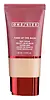
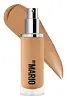
One/Size by Patrick Starrr Turn Up the Base Blurring Foundation Versus Makeup by Mario SurrealSkin Foundation

What's inside
What's inside
 Key Ingredients
Benefits
Concerns
Ingredients Side-by-side
Water
Skin ConditioningCaprylyl Methicone
Skin Conditioning
Synthetic Fluorphlogopite
Dimethicone
Emollient
Glycerin
Humectant

PEG-12 Dimethicone/PPG-20 Crosspolymer
Butylene Glycol
Humectant
Dimethicone/Vinyl Dimethicone Crosspolymer
Skin Conditioning
PEG-10 Dimethicone
Skin Conditioning
Trimethylsiloxysilicate
Emollient
Polymethylsilsesquioxane
Boron Nitride
Absorbent
Silica
Abrasive

Caprylyl Dimethicone Ethoxy Glucoside
Emulsifying
Phenoxyethanol
Preservative
Polyphenylsilsesquioxane
Potassium Sorbate
Preservative
Sodium Dehydroacetate
Preservative
Triethoxycaprylylsilane
C20-24 Olefin
Skin ConditioningTocopheryl Acetate
Antioxidant


Alumina
Abrasive
Mangifera Indica Seed Butter
Skin Conditioning

Persea Gratissima Oil
Skin Conditioning


Rosa Rugosa Leaf Extract
HumectantTocopherol
Antioxidant


Titanium Dioxide
Cosmetic Colorant

Iron Oxides
Water, Caprylyl Methicone, Synthetic Fluorphlogopite, Dimethicone, Glycerin, PEG-12 Dimethicone/PPG-20 Crosspolymer, Butylene Glycol, Dimethicone/Vinyl Dimethicone Crosspolymer, PEG-10 Dimethicone, Trimethylsiloxysilicate, Polymethylsilsesquioxane, Boron Nitride, Silica, Caprylyl Dimethicone Ethoxy Glucoside, Phenoxyethanol, Polyphenylsilsesquioxane, Potassium Sorbate, Sodium Dehydroacetate, Triethoxycaprylylsilane, C20-24 Olefin, Tocopheryl Acetate, Alumina, Mangifera Indica Seed Butter, Persea Gratissima Oil, Rosa Rugosa Leaf Extract, Tocopherol, Titanium Dioxide, Iron Oxides
Water
Skin ConditioningPolyglyceryl-6 Polyricinoleate
Emulsifying
Coconut Alkanes
Emollient
Caprylyl Methicone
Skin Conditioning
Cetearyl Isononanoate
Emollient
Polyglyceryl-2 Isostearate
Emulsifying
Glycerin
Humectant
Disteardimonium Hectorite
StabilisingBoron Nitride
Absorbent
Dimethicone
Emollient
Sodium Chloride
MaskingGlyceryl Caprylate
EmollientSilica
Abrasive
Coco-Caprylate/Caprate
Emollient
Sodium Dehydroacetate
Preservative
Levulinic Acid
Perfuming

Sodium Levulinate
Skin ConditioningTriethoxycaprylylsilane
Tocopherol
Antioxidant
Vitis Vinifera Seed Oil
Emollient
Squalane
Emollient
Helianthus Annuus Seed Oil
Emollient
Sodium Phytate
ChelatingCI 77891
Cosmetic ColorantMica
Cosmetic ColorantIron Oxides
Water, Polyglyceryl-6 Polyricinoleate, Coconut Alkanes, Caprylyl Methicone, Cetearyl Isononanoate, Polyglyceryl-2 Isostearate, Glycerin, Disteardimonium Hectorite, Boron Nitride, Dimethicone, Sodium Chloride, Glyceryl Caprylate, Silica, Coco-Caprylate/Caprate, Sodium Dehydroacetate, Levulinic Acid, Sodium Levulinate, Triethoxycaprylylsilane, Tocopherol, Vitis Vinifera Seed Oil, Squalane, Helianthus Annuus Seed Oil, Sodium Phytate, CI 77891, Mica, Iron Oxides
Reviews
Ingredients Explained
These ingredients are found in both products.
Ingredients higher up in an ingredient list are typically present in a larger amount.
Boron Nitride is compound consisting of boron and nitrogen. It is used to absorb oil and modify adherence/ slip in products.
This means it is often used in makeup products to help them last longer.
Caprylyl Methicone is a synthetic and lightweight silicone fluid. It gives products a silky, dry-touch finish without the heaviness of pure oils.
Though the EU CosIng Database lists this ingredient as a skin conditioner, it is also used for sensory reasons. It spreads easily, cuts greasiness, and reduces tackiness.
This ingredient is volatile which means it will mostly evaporate (but it evaporates slower than older cyclomethicones, like Cyclotetrasiloxane).
Typical concentration ranges from 1-30% depending on if it's being used to tweak the feel of a product or acting as the main emollient.
Learn more about Caprylyl MethiconeDimethicone is a type of synthetic silicone created from natural materials such as quartz. It is also known as polydimethylsiloxane.
What it does:
Dimethicone comes in different viscosities:
Depending on the viscosity, dimethicone has different properties.
Ingredients lists don't always show which type is used, so we recommend reaching out to the brand if you have questions about the viscosity.
This ingredient is unlikely to cause irritation because it does not get absorbed into skin. However, people with silicone allergies should be careful about using this ingredient.
Note: Dimethicone may contribute to pilling. This is because it is not oil or water soluble, so pilling may occur when layered with products. When mixed with heavy oils in a formula, the outcome is also quite greasy.
Learn more about DimethiconeGlycerin (or glycerol) is a compound naturally found in your skin. It's a powerhouse humectant that pulls water into the stratum corneum.
Topically, glycerin does several things at once:
Your skin makes glycerin on its own (mostly from sebaceous oil breakdown) and shuttles it to your outermost layer of skin, or your epidermis, via aquaporin-3.
Aquaporin-3 is a transporter that is essential for normal skin hydration, elasticity, and repair. Interestingly, mice lacking in AQP3 have dry and less elastic skin that can be fully corrected with glycerin.
This ingredient is non-irritating, plays well with almost every ingredient, and works across all skin types. Typical use is anywhere between 3-10% but can go up to 79% in some leave-on products.
Just know very high concentrations (>40%) can feel tacky in low humidity.
Glycerin is the name for this ingredient in American English. British English uses Glycerol/Glycerine.
Learn more about GlycerinSilica, also known as silicon dioxide, is a naturally occurring mineral. It is used as a fine, spherical, and porous powder in cosmetics.
Though it has exfoliant properties, the function of silica varies depending on the product.
The unique structure of silica enhances the spreadability and adds smoothness, making it a great texture enhancer.
It is also used as an active carrier, emulsifier, and mattifier due to its ability to absorb excess oil.
In some products, tiny microneedles called spicules are made from silica or hydrolyzed sponge. When you rub them in, they lightly polish away dead skin layers and enhance the penetration of active ingredients.
Learn more about SilicaSodium Dehydroacetate is a synthetic preservative and sodium salt form of dehydroacetic acid. It stops bacteria, mold, and yeast from growing in your products at low concentrations.
Clinical testing found it to be non-irritating, non-sensitizing, and non-photosensitizing. It's also not significantly absorbed through skin.
There are a very small number of reported cases of contact dermatitis in cases linked to wound-care creams used over compromised skin (rather than skincare).
Overall, this is a well-studied and low-risk preservative just doing its job.
Typical concentrations run up to 0.6%, which is also the maximum amount permitted under both EU CosIng regulations and US FDA guidelines.
Learn more about Sodium DehydroacetateTocopherol is a fat-soluble antioxidant known as Vitamin E.
You'll find this ingredient in the vast majority of skincare (for good reason). It works to neutralize free radicals, or unstable molecules generated by UV exposure, pollution, and other environmental stressors, before they can cause oxidative damage to your skin cells.
Topically applied tocopherol has been shown to protect against UV damage by ramping up the skin's own natural defense enzymes.
It also acts as a skin conditioning agent; some studies show that regular topical use can improve the skin's water-binding capacity over 2-4 weeks.
This ingredient is especially loved for being a team player. When combined with Vitamin C, the photoprotective effect of both ingredients roughly doubles and the combo also helps reduce UV-induced DNA damage.
This ingredient has some brightening potential but it's more of a prevention ingredient than spot-fader. Cell studies show it can slow down melanin production but it's worth noting that it's not the most powerful brightener out there.
In formulations, it also serves as a stabilizer that helps protect other oxidation-prone ingredients from degrading.
Concentrations usually range from 0.1-1% in most leave-on products.
Learn more about TocopherolTriethoxycaprylylsilane is a silicon-based surface modifier that makes sunscreens feel silky and makeup stay put.
Its main job is to coat mineral particles like titanium dioxide, zinc oxide, and color pigments in a thin, oily layer so they spread smoothly, don't clump, and stick to skin better.
This ingredient is typically used at low levels (up to 2.5% in eyeshadow and 1% in lipstick).
Learn more about TriethoxycaprylylsilaneWater. It's the most common cosmetic ingredient of all. You'll usually see it at the top of ingredient lists, meaning that it makes up the largest part of the product.
So why is it so popular? Water most often acts as a solvent - this means that it helps dissolve other ingredients into the formulation.
You'll also recognize water as that liquid we all need to stay alive. If you see this, drink a glass of water. Remember to stay hydrated!
Learn more about WaterThis ingredient is a combination of red, black, and yellow iron oxide pigments. This combination of colors is usually found in foundation, because it results in a "skin" color.
The EU typically uses CI numbers for colorants when applicable, such as CI 77489. In the US, iron oxides are regulated as color additives and "iron oxides" is the most commonly used name in US cosmetic practice.
A 2021 paper looked at skincare formulations containing iron oxides and found that they reduced transmission of blue light when measured optically. In simple terms, the pigment particles helped block or scatter part of the visible light spectrum in lab testing and the authors suggest this could translate into better protection against blue-light-related skin effects.
There is also clinical and experimental research showing that tinted products containing iron oxides can reduce visible light-induced pigmentation:
Please note, whether a product reduces visible or blue light depends on things like:
In the EU's CosIng database, iron oxides are only listed as a colorant. CosIng groups ingredients by their main cosmetic role, such as colorant, preservative, or UV filter.
Though studies say iron oxides can "attenuate blue light", they're describing an optical property and not an officially recognized cosmetic function.
So CosIng isn’t contradicting the research. It’s just classifying iron oxides by what they officially are: pigments that add color.
Learn more about Iron Oxides

