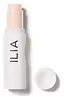
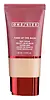
Ilia Skin Rewind Complexion Stick Versus One/Size by Patrick Starrr Turn Up the Base Blurring Foundation

What's inside
What's inside
 Key Ingredients
Benefits
Concerns
Ingredients Side-by-side
Ethylhexyl Palmitate
Emollient




Polyethylene
Abrasive
Lauroyl Lysine
Skin Conditioning
Diisostearyl Malate
EmollientTriethylhexanoin
MaskingMica
Cosmetic ColorantDimer Dilinoleyl Dimer Dilinoleate
EmollientCaprylic/Capric Triglyceride
Masking


Squalane
Emollient
Euphorbia Cerifera Wax
Silica
Abrasive
C12-15 Alkyl Benzoate
AntimicrobialPolyhydroxystearic Acid
Emulsifying
Persea Gratissima Oil
Skin Conditioning
Glyceryl Hydrogenated Rosinate
Bis-Diglyceryl Polyacyladipate-2
Emollient
Hydrogenated Vegetable Oil
Emollient
Tribehenin
Emollient
Caprylyl Glycol
Emollient
Behenyl Behenate
EmollientTocopheryl Acetate
Antioxidant


Pentaerythrityl Tetra-Di-T-Butyl Hydroxyhydrocinnamate
Antioxidant
Ceramide Ng
Skin Conditioning

Alaria Esculenta Extract
Skin Protecting
Lavandula Stoechas Extract
MaskingTocopherol
Antioxidant

Palmitoyl Hexapeptide-12
Skin Conditioning
CI 77491
Cosmetic ColorantCI 77492
Cosmetic ColorantCI 77499
Cosmetic ColorantCI 77891
Cosmetic ColorantCI 19140
Cosmetic ColorantCI 77007
Cosmetic ColorantEthylhexyl Palmitate, Polyethylene, Lauroyl Lysine, Diisostearyl Malate, Triethylhexanoin, Mica, Dimer Dilinoleyl Dimer Dilinoleate, Caprylic/Capric Triglyceride, Squalane, Euphorbia Cerifera Wax, Silica, C12-15 Alkyl Benzoate, Polyhydroxystearic Acid, Persea Gratissima Oil, Glyceryl Hydrogenated Rosinate, Bis-Diglyceryl Polyacyladipate-2, Hydrogenated Vegetable Oil, Tribehenin, Caprylyl Glycol, Behenyl Behenate, Tocopheryl Acetate, Pentaerythrityl Tetra-Di-T-Butyl Hydroxyhydrocinnamate, Ceramide Ng, Alaria Esculenta Extract, Lavandula Stoechas Extract, Tocopherol, Palmitoyl Hexapeptide-12, CI 77491, CI 77492, CI 77499, CI 77891, CI 19140, CI 77007
Water
Skin ConditioningCaprylyl Methicone
Skin Conditioning
Synthetic Fluorphlogopite
Dimethicone
Emollient
Glycerin
Humectant
PEG-12 Dimethicone/PPG-20 Crosspolymer
Butylene Glycol
Humectant
Dimethicone/Vinyl Dimethicone Crosspolymer
Skin Conditioning
PEG-10 Dimethicone
Skin Conditioning
Trimethylsiloxysilicate
Emollient
Polymethylsilsesquioxane
Boron Nitride
Absorbent
Silica
Abrasive
Caprylyl Dimethicone Ethoxy Glucoside
Emulsifying
Phenoxyethanol
Preservative
Polyphenylsilsesquioxane
Potassium Sorbate
Preservative
Sodium Dehydroacetate
Preservative
Triethoxycaprylylsilane
C20-24 Olefin
Skin ConditioningTocopheryl Acetate
Antioxidant
Alumina
Abrasive
Mangifera Indica Seed Butter
Skin Conditioning
Persea Gratissima Oil
Skin Conditioning
Rosa Rugosa Leaf Extract
HumectantTocopherol
Antioxidant
Titanium Dioxide
Cosmetic Colorant

Iron Oxides
Water, Caprylyl Methicone, Synthetic Fluorphlogopite, Dimethicone, Glycerin, PEG-12 Dimethicone/PPG-20 Crosspolymer, Butylene Glycol, Dimethicone/Vinyl Dimethicone Crosspolymer, PEG-10 Dimethicone, Trimethylsiloxysilicate, Polymethylsilsesquioxane, Boron Nitride, Silica, Caprylyl Dimethicone Ethoxy Glucoside, Phenoxyethanol, Polyphenylsilsesquioxane, Potassium Sorbate, Sodium Dehydroacetate, Triethoxycaprylylsilane, C20-24 Olefin, Tocopheryl Acetate, Alumina, Mangifera Indica Seed Butter, Persea Gratissima Oil, Rosa Rugosa Leaf Extract, Tocopherol, Titanium Dioxide, Iron Oxides
Reviews
Ingredients Explained
These ingredients are found in both products.
Ingredients higher up in an ingredient list are typically present in a larger amount.
This ingredient is also known as Avocado oil. It's the cold-pressed oil from the flesh of the avocado fruit packed with fatty acids (mostly oleic acid).
The rich fatty acid profile allows it to function as a skin conditioning agent and emollient; it helps soften and smooth skin while reducing water loss.
Preclinical research has found that topical avocado oil increased collagen synthesis and reduced inflammation during wound healing, giving it some skin-repairing credibility.
The unsaponifiable fraction of the oil is also interesting: studies on avocado unsaponifiables showed that it helped skin produce more collagen and other structural compounds that support healing.
The CIR Expert Panel has found this ingredient to be non-irritating in formulations.
It's a great ingredient for dry or compromised skin. Just know it may not be fungal acne safe. This is because the oleic acid content falls within the range that Malassezia can use as a food source.
Learn more about Persea Gratissima OilSilica, also known as silicon dioxide, is a naturally occurring mineral. It is used as a fine, spherical, and porous powder in cosmetics.
Though it has exfoliant properties, the function of silica varies depending on the product.
The unique structure of silica enhances the spreadability and adds smoothness, making it a great texture enhancer.
It is also used as an active carrier, emulsifier, and mattifier due to its ability to absorb excess oil.
In some products, tiny microneedles called spicules are made from silica or hydrolyzed sponge. When you rub them in, they lightly polish away dead skin layers and enhance the penetration of active ingredients.
Learn more about SilicaTocopherol is a fat-soluble antioxidant known as Vitamin E.
You'll find this ingredient in the vast majority of skincare (for good reason). It works to neutralize free radicals, or unstable molecules generated by UV exposure, pollution, and other environmental stressors, before they can cause oxidative damage to your skin cells.
Topically applied tocopherol has been shown to protect against UV damage by ramping up the skin's own natural defense enzymes.
It also acts as a skin conditioning agent; some studies show that regular topical use can improve the skin's water-binding capacity over 2-4 weeks.
This ingredient is especially loved for being a team player. When combined with Vitamin C, the photoprotective effect of both ingredients roughly doubles and the combo also helps reduce UV-induced DNA damage.
This ingredient has some brightening potential but it's more of a prevention ingredient than spot-fader. Cell studies show it can slow down melanin production but it's worth noting that it's not the most powerful brightener out there.
In formulations, it also serves as a stabilizer that helps protect other oxidation-prone ingredients from degrading.
Concentrations usually range from 0.1-1% in most leave-on products.
Learn more about TocopherolTocopheryl Acetate is a stable, shelf-friendly form of vitamin E.
Formulators love it because plain vitamin E oxidizes quickly once it hits air. This acetate version stays stable and resists going off, helping to extend a product's shelf life.
It's actually inactive on its own and works like a slow-release "storage" form; the enzymes in your skin called esterases gradually convert it into active vitamin E over time.
One in vivo study showed 5% of the acetate in the living layer of the epidermis converted to vitamin E after 5 days of application. This study also found the skin gained protection against UV damage even though the conversion was slow and small.
Once converted, vitamin E acts as a skin's main fat-soluble antioxidant that fights free radicals to protect skin from damage.
Topical vitamin E generally boosts the skin's photoprotection, and it reduced UV-damage in animal models.
This ingredient has some brightening potential but it's more of a prevention ingredient than spot-fader. Cell studies show it can slow down melanin production but it's worth noting that it's not the most powerful brightener out there.
Overall, it has a pretty solid safety profile and has been found to be non-irritating and non-comedogenic. Allergic reactions may happen but stay rare due to how widely the ingredient gets used.
The concentration will vary depending on the formula; industry data shows 0.1% in baby lotions, 3% in lipsticks, and 5% in foot powders. You can also find this ingredient at 100% in a pure vitamin E oil.
Most leave-on skincare keeps it at the lower end, often between 0.5-1%.
Learn more about Tocopheryl Acetate

