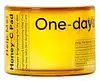
This brightening toner pad uses a pre-saturated pad with Betaine Salicylate and 3-O-Ethyl Ascorbic Acid to brighten dull-looking skin and clear breakouts.
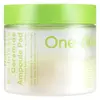
This barrier-repair toner pad uses a pre-saturated pad with Panthenol and Ceramide NP to strengthen the skin barrier and hydrate skin.

What's inside
What's inside
 Key Ingredients
Benefits
Concerns
Ingredients Side-by-side
Water
Skin ConditioningButylene Glycol
Humectant

Propanediol
Solvent
Pentylene Glycol
Skin Conditioning
1,2-Hexanediol
Skin Conditioning
Glycerin
Humectant
Polyglyceryl-10 Myristate
Skin Conditioning

Polyglyceryl-10 Laurate
Skin Conditioning
Sodium Citrate
BufferingBetaine Salicylate
Antimicrobial




Citrus Aurantium Bergamia Fruit Oil
Masking


Ethylhexylglycerin
Skin ConditioningCitrofortunella Microcarpa Fruit Extract
Antioxidant
Trehalose
Humectant
Allantoin
Skin Conditioning

Disodium EDTA
ChelatingBeta-Glucan
Skin Conditioning
3-O-Ethyl Ascorbic Acid
Skin Conditioning


Lactobacillus/Soybean Ferment Extract
Skin ConditioningPropolis Extract
Skin Conditioning
Citrus Unshiu Peel Extract
MaskingLimonene
Perfuming

Linalool
Perfuming
Water, Butylene Glycol, Propanediol, Pentylene Glycol, 1,2-Hexanediol, Glycerin, Polyglyceryl-10 Myristate, Polyglyceryl-10 Laurate, Sodium Citrate, Betaine Salicylate, Citrus Aurantium Bergamia Fruit Oil, Ethylhexylglycerin, Citrofortunella Microcarpa Fruit Extract, Trehalose, Allantoin, Disodium EDTA, Beta-Glucan, 3-O-Ethyl Ascorbic Acid, Lactobacillus/Soybean Ferment Extract, Propolis Extract, Citrus Unshiu Peel Extract, Limonene, Linalool
Water
Skin ConditioningGlycerin
Humectant
Butylene Glycol
Humectant
Caprylic/Capric Triglyceride
Masking
Propanediol
Solvent
1,2-Hexanediol
Skin Conditioning
Hydroxyacetophenone
Antioxidant
Polyglyceryl-3 Distearate
Emulsifying
Allantoin
Skin Conditioning
Xanthan Gum
EmulsifyingPanthenol
Skin Conditioning
Polyglyceryl-4 Caprate
EmulsifyingHydroxyethyl Acrylate/Sodium Acryloyldimethyl Taurate Copolymer
Emulsion StabilisingGlyceryl Stearate Citrate
Emollient
Ethylhexylglycerin
Skin ConditioningArginine
Masking
Carbomer
Emulsion StabilisingDisodium EDTA
ChelatingCitrus Aurantium Bergamia Fruit Oil
Masking
Sorbitan Isostearate
Emulsifying
Butyrospermum Parkii Butter
Skin Conditioning

Saussurea Involucrata Extract
HumectantCeramide NP
Skin Conditioning
Persea Gratissima Fruit Extract
EmollientPhytosphingosine
Skin Conditioning
Linalool
Perfuming
Limonene
Perfuming
Water, Glycerin, Butylene Glycol, Caprylic/Capric Triglyceride, Propanediol, 1,2-Hexanediol, Hydroxyacetophenone, Polyglyceryl-3 Distearate, Allantoin, Xanthan Gum, Panthenol, Polyglyceryl-4 Caprate, Hydroxyethyl Acrylate/Sodium Acryloyldimethyl Taurate Copolymer, Glyceryl Stearate Citrate, Ethylhexylglycerin, Arginine, Carbomer, Disodium EDTA, Citrus Aurantium Bergamia Fruit Oil, Sorbitan Isostearate, Butyrospermum Parkii Butter, Saussurea Involucrata Extract, Ceramide NP, Persea Gratissima Fruit Extract, Phytosphingosine, Linalool, Limonene
Reviews
Ingredients Explained
These ingredients are found in both products.
Ingredients higher up in an ingredient list are typically present in a larger amount.
1,2-Hexanediol is a synthetic liquid and another multi-functional powerhouse.
It is a:
- Humectant, drawing moisture into the skin
- Emollient, helping to soften skin
- Solvent, dispersing and stabilizing formulas
- Preservative booster, enhancing the antimicrobial activity of other preservatives
Allantoin is a soothing ingredient known for its protective and moisturizing properties; it's basically a quiet workhorse ingredient you can find in a huge range of cosmetics.
Though it can be derived from the comfrey plant, allantoin is produced synthetically for cosmetic products to ensure purity.
Research shows it can encourage your skin cells to turn over and renew by stimulating keratinocyte and fibroblast proliferation.
It also has mild keratolytic properties to help loosen and shed dead skin cells without being harsh.
Studies also suggest allantoin can help calm inflammation by dialing down some of the chemical signals your skin sends out when it is irritated.
This ingredient is typically used in the 0.1-0.5% range, and the FDA recognizes it as a skin protectant in OTC products up to 2%.
Overall, allantoin is a wonderful addition to most routines; it is stable across a wide pH range (~4-8), works well with other ingredients, and is considered non-sensitizing/non-irritating.
Fun fact: Allantoin is naturally occurring in comfrey root, beets, chamomile, and wheat sprouts. Our bodies even produce it as a byproduct of uric acid metabolism.
Learn more about AllantoinButylene Glycol (or BG) is used within cosmetic products for a few different reasons:
Overall, Butylene Glycol is a safe and well-rounded ingredient that works well with other ingredients.
Though this ingredient works well with most skin types, some people with sensitive skin may experience a reaction such as allergic rashes, closed comedones, or itchiness.
Learn more about Butylene GlycolCitrus Aurantium Bergamia Fruit Oil is the oil from the bergamot orange and is primarily used as a fragrance. It has a "fresh" and "bright orange" scent.
The main aroma compounds found in this ingredient are limonene (~27-52%), linalool (~2-22%), and linalyl acetate (~27-40%). These are known EU fragrance allergens.
The term 'fragrance' is not regulated in many countries. In many cases, it is up to the brand to define this term. For instance, many brands choose to label themselves as "fragrance-free" because they are not using synthetic fragrances. However, their products may still contain ingredients such as essential oils that are considered a fragrance.
When used topically, Citrus Aurantium Bergamia Fruit Oil is a photosensitizer due to the furanocoumarin content. Furanocoumarins absorb UV-A and cause phytophotodermatitis; this can look like redness, blistering, and lasting brown pigmentation on sun-exposed skin.
Due to this, this ingredient is capped at 0.4% in leave-on products applied to sun exposed skin.
Many modern formulas used a "furanocoumarin-free" version that sidesteps the phototoxicity issue, but still contains the fragrance allergens.
Learn more about Citrus Aurantium Bergamia Fruit OilDisodium EDTA is a chelating agent. It grabs onto and deactivates metal ions that sneak into your products from water, packaging, or air.
This ingredient mainly works behind the scenes and helps with:
On top of that, this ingredient can counteract the effects of hard water by binding to the minerals in it.
One thing worth knowing is that Disodium EDTA has been shown to be a mild penetration enhancer. It can help other ingredients absorb into skin more effectively which can be a double-edged sword (great for actives, but can also make the active too strong if you have sensitive skin).
Clinical patch testing showed no significant skin irritation at typical use concentrations and minimal dermal absorption.
You'll most likely see this ingredient near the end of an ingredient list. It's typically found in concentrations less than 1%.
Learn more about Disodium EDTAEthylhexylglycerin is created from glycerin. It is a multitasker ingredient that:
The CIR Expert Panel found minimal skin absorption or sensitization of any kind in a safety assessment. Though this ingredient is considered well-tolerated, a small number of cases of allergic dermatitis have been published since 2002. Just be sure to patch test if you are unsure.
Industry-reported use ranges from 8% in rinse-off products and 2% in leave-on formulations.
Learn more about EthylhexylglycerinGlycerin (or glycerol) is a compound naturally found in your skin. It's a powerhouse humectant that pulls water into the stratum corneum.
Topically, glycerin does several things at once:
Your skin makes glycerin on its own (mostly from sebaceous oil breakdown) and shuttles it to your outermost layer of skin, or your epidermis, via aquaporin-3.
Aquaporin-3 is a transporter that is essential for normal skin hydration, elasticity, and repair. Interestingly, mice lacking in AQP3 have dry and less elastic skin that can be fully corrected with glycerin.
This ingredient is non-irritating, plays well with almost every ingredient, and works across all skin types. Typical use is anywhere between 3-10% but can go up to 79% in some leave-on products.
Just know very high concentrations (>40%) can feel tacky in low humidity.
Glycerin is the name for this ingredient in American English. British English uses Glycerol/Glycerine.
Learn more about GlycerinLimonene is the compound that gives citrus peel its smell.
In skincare, it shows up as a standalone fragrance ingredient or as a natural compound of citrus and other essential oils.
You'll typically see this ingredient used in very small amounts; anything above 0.001% in a leave-on product or 0.01% in a rinse-off has to be named on the label in the EU. The citrus oils that carry it sit around 0.5-1% in a finished formula.
Fresh limonene is a weak allergen; the real issue is that it slowly reacts with air and then breaks down from oxidation to create hydroperoxides (which are strong sensitizers). This is why suppliers are required to keep the peroxide value below 20 mmol.
Positive reactions in people being investigated for eczema vary:
It's worth skipping if you have a known fragrance allergy or a compromised barrier, but the risk is low for most people.
Older or long-opened products are also more likely to bother you than fresh ones due to oxidation.
Learn more about LimoneneLinalool is a small, naturally occurring scent molecule found in plants like lavender, coriander, bergamot, and more.
It is one of the two most-used fragrance ingredients in cosmetics and added purely for smell. Since it's not used for a skin benefit, there's no "effective dose". Concentration depends on the fragrance load of the product.
The EU requires it to be named on the label above 0.001% in leave-on and 0.01% in rinse-off products.
Fresh linalool is a weak sensitizer but air exposure turns some of it into hydroperoxides, which are strong sensitizers. Those oxidation products are the actual allergy concern.
Patch-test clinics see positive reactions to linalool hydroperoxides in about 4% to 12% of dermatitis patients depending on country and test concentration.
Resassuringly, one analytical study found hydroperoxide levels in real fragranced products to be orders of magnitude below what induced sensitization in animal studies with no evidence of oxidation building up during normal storage.
The practical takeaway is that linalool is fine for most people but worth avoiding if you have a confirmed fragrance contact allergy or a badly compromised barrier.
Products stored a long time after opening are also the high-risk scenario since that is when oxidation happens.
The scent of linalool is described as floral, spicy tropical, and citrus-like.
Learn more about LinaloolPropanediol is an all-star ingredient. It softens, hydrates, and smooths the skin.
It’s often used to:
Propanediol is not likely to cause sensitivity and considered safe to use. It is derived from corn or petroleum with a clear color and no scent.
Learn more about PropanediolWater. It's the most common cosmetic ingredient of all. You'll usually see it at the top of ingredient lists, meaning that it makes up the largest part of the product.
So why is it so popular? Water most often acts as a solvent - this means that it helps dissolve other ingredients into the formulation.
You'll also recognize water as that liquid we all need to stay alive. If you see this, drink a glass of water. Remember to stay hydrated!
Learn more about Water

