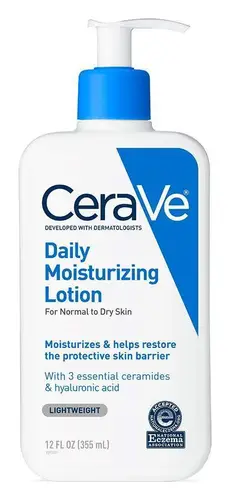
Olay Ultra Moisture Body Wash Versus OGX Beauty Extra Creamy + Coconut Miracle Oil Ultra Moisture Lotion


What's inside
What's inside
 Key Ingredients
Benefits
Concerns
Ingredients Side-by-side
Water
Skin ConditioningSodium Trideceth Sulfate
Cleansing
Sodium Chloride
MaskingPetrolatum
Emollient



Cocamidopropyl Betaine
Cleansing


Trideceth-3
EmulsifyingParfum
Masking

Niacinamide
Smoothing











Cocos Nucifera Oil
Masking

Sodium Citrate
BufferingSodium Benzoate
Masking
Guar Hydroxypropyltrimonium Chloride
Skin ConditioningXanthan Gum
EmulsifyingCitric Acid
Buffering
Disodium EDTA
ChelatingGlyceryl Oleate
Emollient
Acrylates/C10-30 Alkyl Acrylate Crosspolymer
Emulsion StabilisingMethylchloroisothiazolinone
Preservative
Methylisothiazolinone
Preservative
CI 19140
Cosmetic ColorantCI 17200
Cosmetic ColorantWater, Sodium Trideceth Sulfate, Sodium Chloride, Petrolatum, Cocamidopropyl Betaine, Trideceth-3, Parfum, Niacinamide, Cocos Nucifera Oil, Sodium Citrate, Sodium Benzoate, Guar Hydroxypropyltrimonium Chloride, Xanthan Gum, Citric Acid, Disodium EDTA, Glyceryl Oleate, Acrylates/C10-30 Alkyl Acrylate Crosspolymer, Methylchloroisothiazolinone, Methylisothiazolinone, CI 19140, CI 17200
Water
Skin ConditioningCaprylic/Capric Triglyceride
Masking
Stearic Acid
Cleansing
Petrolatum
Emollient
Glycerin
Humectant
Cetyl Alcohol
Emollient
Glyceryl Stearate
Emollient
PEG-100 Stearate
Surfactant
Sorbitan Stearate
Emulsifying
Cocos Nucifera Oil
Masking
Gardenia Taitensis Flower Extract
Skin ConditioningVanilla Planifolia Fruit Extract
Skin Conditioning
Butyrospermum Parkii Butter
Skin Conditioning
Ethylhexylglycerin
Skin ConditioningDisodium EDTA
ChelatingHydroxyacetophenone
Antioxidant
Carbomer
Emulsion StabilisingSodium Hydroxide
BufferingPhenoxyethanol
Preservative
Parfum
Masking
Water, Caprylic/Capric Triglyceride, Stearic Acid, Petrolatum, Glycerin, Cetyl Alcohol, Glyceryl Stearate, PEG-100 Stearate, Sorbitan Stearate, Cocos Nucifera Oil, Gardenia Taitensis Flower Extract, Vanilla Planifolia Fruit Extract, Butyrospermum Parkii Butter, Ethylhexylglycerin, Disodium EDTA, Hydroxyacetophenone, Carbomer, Sodium Hydroxide, Phenoxyethanol, Parfum
Reviews
Ingredients Explained
These ingredients are found in both products.
Ingredients higher up in an ingredient list are typically present in a larger amount.
This ingredient is also known as coconut oil. It is a plant-derived ingredient with skin conditioning properties.
The fatty acid profile of coconut oil is mostly lauric acid (~54%), followed by capric, caprylic, palmitic, and myristic acids. This profile allows it to penetrate easily into skin, moisturize, and improve dry skin.
A double-blind study confirmed that extra virgin coconut oil is as effective as mineral oil for treating very dry skin. Another study found it outperformed mineral oil for mild to moderate atopic dermatitis in children.
Another study from 2018 found that virgin coconut oil can soothe inflammation and boost key skin barrier proteins. Just know this evidence is still only from lab settings and not human trials.
It has also been shown to reduce Staphylococcus aureus, a bacteria that commonly overgrows in people with eczema.
Clinical testing shows very minimal skin irritation and no evidence of sensitization or phototoxicity.
Coconut oil gets flagged as a "fragrance" because it has a natural mild scent (not because it's a synthetic perfume). The European Cosmetic ingredient database also lists "perfuming" as a function of this ingredient.
Just so you know, the term "fragrance" is completely unregulated. Some brands still use botanical extracts or essential oils in their "fragrance-free" formulas, but regulatory databases technically classify these under "fragrance".
Coconut oil has a tiny and useless bit of natural SPF. Early lab studies clocked it around SPF 7-8 but a more recent study found the real number closer to SPF 1.2. It also offers no meaningful UVA protection (SPF only overs UVB rays).
The comedogenic rating of 4/5 means it has a high potential to clog pores; but it's worth noting that comedogenicity is highly individual and ratings cannot predict how an overall formula will behave on skin.
Since lauric acid is the dominant fatty acid, this ingredient may not be fungal acne safe. The Malassezia yeast feeds on fatty acids with carbon chain lengths between 11-24, and lauric acid falls within these lengths (C12).
Learn more about Cocos Nucifera OilDisodium EDTA is a chelating agent. It grabs onto and deactivates metal ions that sneak into your products from water, packaging, or air.
This ingredient mainly works behind the scenes and helps with:
On top of that, this ingredient can counteract the effects of hard water by binding to the minerals in it.
One thing worth knowing is that Disodium EDTA has been shown to be a mild penetration enhancer. It can help other ingredients absorb into skin more effectively which can be a double-edged sword (great for actives, but can also make the active too strong if you have sensitive skin).
Clinical patch testing showed no significant skin irritation at typical use concentrations and minimal dermal absorption.
You'll most likely see this ingredient near the end of an ingredient list. It's typically found in concentrations less than 1%.
Learn more about Disodium EDTAParfum is a catch-all term for an ingredient or more that is used to give a scent to products.
Also called "fragrance", this ingredient can be a blend of hundreds of chemicals or plant oils. This means every product with "fragrance" or "parfum" in the ingredients list is a different mixture.
For instance, Habanolide is a proprietary trade name for a specific aroma chemical. When used as a fragrance ingredient in cosmetics, most aroma chemicals fall under the broad labeling category of “FRAGRANCE” or “PARFUM” according to EU and US regulations.
The term 'parfum' or 'fragrance' is not regulated in many countries. In many cases, it is up to the brand to define this term.
For instance, many brands choose to label themselves as "fragrance-free" because they are not using synthetic fragrances. However, their products may still contain ingredients such as essential oils that are considered a fragrance by INCI standards.
One example is Calendula flower extract. Calendula is an essential oil that still imparts a scent or 'fragrance'.
Depending on the blend, the ingredients in the mixture can cause allergies and sensitivities on the skin. Some ingredients that are known EU allergens include linalool and citronellol.
Parfum can also be used to mask or cover an unpleasant scent.
The bottom line is: not all fragrances/parfum/ingredients are created equally. If you are worried about fragrances, we recommend taking a closer look at an ingredient. And of course, we always recommend speaking with a professional.
Learn more about ParfumPetrolatum is more commonly known as petroleum jelly. It is created by mixing waxes and mineral oils.
This ingredient is effective at reducing water loss by 99%. This is because it is an occlusive. Occlusives create a hydrophobic barrier on the skin to prevent evaporation. This property makes it great for hydrating dry skin.
Pro tip: Use occlusives, such as this ingredient, on damp skin for the best results.
The quality or origin of petrolatum is only known when disclosed by the brand. Most cosmetic petrolatum has gone through several purification stages.
Another benefit of occlusives is it protects your skin against infection or allergies.
Petrolatum is fungal acne safe. It is a hydrocarbon with no fatty acid structure, so Malassezia cannot metabolize it. In-vitro studies support negligible growth stimulation as well.
It's also worth noting that petrolatum has a comedogenic rating of 0. In updated rabbit ear testing (and in human testing), petrolatum was found to be not comedogenic. This means it didn’t promote comedone formation in standard models.
Learn more about PetrolatumWater. It's the most common cosmetic ingredient of all. You'll usually see it at the top of ingredient lists, meaning that it makes up the largest part of the product.
So why is it so popular? Water most often acts as a solvent - this means that it helps dissolve other ingredients into the formulation.
You'll also recognize water as that liquid we all need to stay alive. If you see this, drink a glass of water. Remember to stay hydrated!
Learn more about Water