
What's inside
What's inside
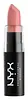 Key Ingredients
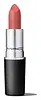
Benefits
Concerns
Ingredients Side-by-side
Butter
Skin Conditioning

Bis-Diglyceryl Polyacyladipate-2
Emollient
Ethylhexyl Palmitate
Emollient


Isopropyl Palmitate
Emollient
Octyldodecanol
Emollient
Oleyl Alcohol
Emollient

Euphorbia Cerifera Cera
Astringent
Beeswax
Emulsion Stabilising
Hydrogenated Microcrystalline Wax
Emulsion StabilisingIsostearyl Isostearate
Emollient
Polyisobutene
Ozokerite
Emulsion StabilisingPolyethylene
Abrasive
Copernicia Cerifera Cera
Emollient
Tocopheryl Acetate
Antioxidant


Tocopherol
Antioxidant



Hydrogenated Palm Glycerides Citrate
Emollient
Alumina
Abrasive
BHT
Antioxidant
Parfum
Masking
Butter, Bis-Diglyceryl Polyacyladipate-2, Ethylhexyl Palmitate, Isopropyl Palmitate, Octyldodecanol, Oleyl Alcohol, Euphorbia Cerifera Cera, Beeswax, Hydrogenated Microcrystalline Wax, Isostearyl Isostearate, Polyisobutene, Ozokerite, Polyethylene, Copernicia Cerifera Cera, Tocopheryl Acetate, Tocopherol, Hydrogenated Palm Glycerides Citrate, Alumina, BHT, Parfum
Ricinus Communis Seed Oil
Masking
Diisostearyl Malate
EmollientTrioctyldodecyl Citrate
EmollientLanolin Oil
Emollient
Caprylic/Capric Triglyceride
Masking
Euphorbia Cerifera Cera
Astringent
Octyldodecanol
Emollient
Ozokerite
Emulsion StabilisingSilica
Abrasive

Hydrogenated Polydecene
EmollientBis-Diglyceryl Polyacyladipate-2
Emollient
Polyethylene
Abrasive
Cera Microcristallina
Emulsion StabilisingTriticum Vulgare Germ Extract
Skin ConditioningGlycine Soja Seed Extract
Skin Conditioning
Hordeum Vulgare Extract
EmollientAstrocaryum Murumuru Seed Butter
Emollient
Tocopheryl Acetate
Antioxidant
Squalane
Emollient
Cholesterol
Emollient
Ceramide NP
Skin Conditioning
Alumina
Abrasive
Tin Oxide
Abrasive
Linoleic Acid
Cleansing
Vanillin
Masking
Mica
Cosmetic ColorantCI 77891
Cosmetic ColorantCI 77491
Cosmetic ColorantCI 77492
Cosmetic ColorantCI 77499
Cosmetic ColorantCI 42090
Cosmetic ColorantCI 75470
Cosmetic ColorantCI 15850
Cosmetic ColorantCI 45410
Cosmetic ColorantCI 73360
Cosmetic ColorantCI 17200
Cosmetic ColorantCI 19140
Cosmetic ColorantCI 15985
Cosmetic ColorantRicinus Communis Seed Oil, Diisostearyl Malate, Trioctyldodecyl Citrate, Lanolin Oil, Caprylic/Capric Triglyceride, Euphorbia Cerifera Cera, Octyldodecanol, Ozokerite, Silica, Hydrogenated Polydecene, Bis-Diglyceryl Polyacyladipate-2, Polyethylene, Cera Microcristallina, Triticum Vulgare Germ Extract, Glycine Soja Seed Extract, Hordeum Vulgare Extract, Astrocaryum Murumuru Seed Butter, Tocopheryl Acetate, Squalane, Cholesterol, Ceramide NP, Alumina, Tin Oxide, Linoleic Acid, Vanillin, Mica, CI 77891, CI 77491, CI 77492, CI 77499, CI 42090, CI 75470, CI 15850, CI 45410, CI 73360, CI 17200, CI 19140, CI 15985
Reviews
Ingredients Explained
These ingredients are found in both products.
Ingredients higher up in an ingredient list are typically present in a larger amount.
Alumina (aka aluminum oxide) is an inorganic mineral powder refined from bauxite that works as a quiet workhorse in a formula.
It shows up often as an abrasive, absorbent, anticaking, bulking, and viscosity-controlling agent.
One of its most common jobs is acting as a pigment carrier and dispersant.
Alumina platelets are often blended with inorganic sunscreens like Titanium Dioxide (or with colorants) and then coated with a silicone such as Triethoxycaprylylsilane so the pigment spreads evenly and smoothly.
In makeup, it can also double as a light-diffusing powder or oil absorber to keep formulas from looking greasy.
The Cosmetic Ingredient Review Expert Panel has concluded alumina to be safe in present practices of use and concentration.
They note it's a stable, oxidized compound and scientific research has failed to establish links to health issues.
Concentrations vary depending on the product:
Learn more about AluminaBis-Diglyceryl Polyacyladipate-2 is a synthetic emollient that works as a lanolin substitute.
This ingredient is a great vegan option for those avoiding animal-derived ingredients.
It mostly stays on the surface of skin where it helps hydrate due to its large molecular size and low water solubility.
Due to it being derived from fatty acids, this ingredient may not be Malassezia or fungal acne safe.
Learn more about Bis-Diglyceryl Polyacyladipate-2Euphorbia Cerifera Cera (aka candelilla wax) is a vegan stand-in for beeswax. It is a plant-derived wax that functions as an astringent, emulsion stabilizer, film-former, and skin conditioner.
On skin, it forms a protective barrier that helps lock in moisture while it enhances product stability, prevents separation, and helps color last longer in makeup.
This ingredient is generally safe for use in cosmetics with one nuance: some grades of candelilla wax can naturally contain benzyl alcohol at concentrations high enough to require declaration under EU labeling rules. This isn't a concern for most people but relevant for those with fragrance sensitivities.
Candelilla wax contains fatty acids (mainly C31) and wax esters that can be used by the Malassezia yeast, so this ingredient may not be fungal acne safe.
You might see Euphorbia Cerifera "Wax" instead of "cera". This is because some brands, databases, or labels use it interchangeably; they're the same ingredient.
Learn more about Euphorbia Cerifera CeraOctyldodecanol is a fatty alcohol sourced from plant oils like coconut or palm (or made synthetically).
It is:
You'll likely see this in many BHA products because this is the go-to solvent for salicylic acid.
This ingredient is typically used at levels between 2-20%.
Regarding fungal acne:
In 2019, this ingredient was tested against multiple Malassezia species (the yeast that causes fungal acne) and showed no growth.
Ozokerite is a naturally occuring mineral wax. In cosmetics, ozokerite is used as a texture enhancer.
Ceresin wax is derived from this ingredient.
The melting point of ozokerite is 58-100 C.
Ozokerite is found all over the world including Scotland, the US, and India.
Learn more about OzokeritePolyethylene is a synthetic ingredient that helps the skin retain moisture. It is a polymer.
It is also typically used within product formulations to help bind solid ingredients together and thicken oil-based ingredients. When added to balms and emulsions, it helps increase the melting point temperature.
Tocopheryl Acetate is a stable, shelf-friendly form of vitamin E.
Formulators love it because plain vitamin E oxidizes quickly once it hits air. This acetate version stays stable and resists going off, helping to extend a product's shelf life.
It's actually inactive on its own and works like a slow-release "storage" form; the enzymes in your skin called esterases gradually convert it into active vitamin E over time.
One in vivo study showed 5% of the acetate in the living layer of the epidermis converted to vitamin E after 5 days of application. This study also found the skin gained protection against UV damage even though the conversion was slow and small.
Once converted, vitamin E acts as a skin's main fat-soluble antioxidant that fights free radicals to protect skin from damage.
Topical vitamin E generally boosts the skin's photoprotection, and it reduced UV-damage in animal models.
This ingredient has some brightening potential but it's more of a prevention ingredient than spot-fader. Cell studies show it can slow down melanin production but it's worth noting that it's not the most powerful brightener out there.
Overall, it has a pretty solid safety profile and has been found to be non-irritating and non-comedogenic. Allergic reactions may happen but stay rare due to how widely the ingredient gets used.
The concentration will vary depending on the formula; industry data shows 0.1% in baby lotions, 3% in lipsticks, and 5% in foot powders. You can also find this ingredient at 100% in a pure vitamin E oil.
Most leave-on skincare keeps it at the lower end, often between 0.5-1%.
Learn more about Tocopheryl Acetate

