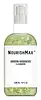
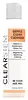
NourishMax Green Goddess Jelly Petal Face Cleanser Versus Clearstem Skincare Gentleclean Vitamin Infused Calming Wash
This mild gel cleanser is made to cleanse while calming and soothing your skin.
This mild gel cleanser is made to cleanse while calming and soothing your skin.

What's inside
What's inside
 Key Ingredients
Benefits
Concerns
Ingredients Side-by-side
Water
Skin ConditioningDecyl Glucoside
Cleansing
Glycereth-18 Ethylhexanoate
Skin ConditioningGlycerin
Humectant


Sorbitan Oleate Decylglucoside Crosspolymer
CleansingActinidia Chinensis Fruit Juice
Skin ConditioningCamellia Sinensis Leaf Extract
Antimicrobial






Lavandula Angustifolia Flower/Leaf/Stem Extract
Masking

Prunus Persica Fruit Extract
Abrasive
Leuconostoc/Radish Root Ferment Filtrate
Antimicrobial

Melia Azadirachta Leaf Extract
Skin ConditioningCitrus Limon Peel Extract
EmollientCocos Nucifera Fruit Extract
Emollient

Prunus Serotina Fruit Extract
MaskingPyrus Malus Fruit Extract
Skin Conditioning
Rosmarinus Officinalis Leaf Extract
AntimicrobialRubus Idaeus Fruit Extract
AstringentSalvia Officinalis Leaf Extract
CleansingSalvia Sclarea Extract
AntiseborrhoeicVaccinium Macrocarpon Fruit Extract
AstringentVanilla Planifolia Fruit Extract
Skin Conditioning
Coco-Glucoside
Cleansing
Disodium Coco-Glucoside Citrate
Emulsifying
Glyceryl Oleate
Emollient
Xanthan Gum
EmulsifyingGlycereth-18
HumectantButylene Glycol
Humectant
Sodium Levulinate
Skin ConditioningPotassium Sorbate
Preservative
Disodium EDTA
ChelatingSodium Ascorbyl Phosphate
Antioxidant

Trifolium Pratense Extract
Skin ConditioningIsomalt
HumectantCitric Acid
Buffering
Triethyl Citrate
Masking
1,2-Hexanediol
Skin Conditioning
Agar
MaskingCalcium Alginate
MaskingGellan Gum
Phenoxyethanol
Preservative
Propylene Glycol
Humectant
Melia Azadirachta Flower Extract
Skin ConditioningChamomilla Recutita Flower Extract
Masking
Phytol
Emollient
Mica
Cosmetic ColorantTitanium Dioxide
Cosmetic Colorant

Water, Decyl Glucoside, Glycereth-18 Ethylhexanoate, Glycerin, Sorbitan Oleate Decylglucoside Crosspolymer, Actinidia Chinensis Fruit Juice, Camellia Sinensis Leaf Extract, Lavandula Angustifolia Flower/Leaf/Stem Extract, Prunus Persica Fruit Extract, Leuconostoc/Radish Root Ferment Filtrate, Melia Azadirachta Leaf Extract, Citrus Limon Peel Extract, Cocos Nucifera Fruit Extract, Prunus Serotina Fruit Extract, Pyrus Malus Fruit Extract, Rosmarinus Officinalis Leaf Extract, Rubus Idaeus Fruit Extract, Salvia Officinalis Leaf Extract, Salvia Sclarea Extract, Vaccinium Macrocarpon Fruit Extract, Vanilla Planifolia Fruit Extract, Coco-Glucoside, Disodium Coco-Glucoside Citrate, Glyceryl Oleate, Xanthan Gum, Glycereth-18, Butylene Glycol, Sodium Levulinate, Potassium Sorbate, Disodium EDTA, Sodium Ascorbyl Phosphate, Trifolium Pratense Extract, Isomalt, Citric Acid, Triethyl Citrate, 1,2-Hexanediol, Agar, Calcium Alginate, Gellan Gum, Phenoxyethanol, Propylene Glycol, Melia Azadirachta Flower Extract, Chamomilla Recutita Flower Extract, Phytol, Mica, Titanium Dioxide
Water
Skin ConditioningSodium Lauroyl Methyl Isethionate
CleansingGlycerin
Humectant
Cocamidopropyl Betaine
Cleansing
Sodium Methyl Oleoyl Taurate
CleansingSorbitan Oleate Decylglucoside Crosspolymer
CleansingSodium Cocoyl Glycinate
Cleansing
Sclerotium Gum
Emulsion StabilisingPolysorbate 20
Emulsifying
Lauryl Glucoside
CleansingCoco-Glucoside
Cleansing
Camellia Sinensis Leaf Extract
Antimicrobial
Glycyrrhiza Glabra Root Extract
Bleaching
Allantoin
Skin Conditioning
Chamomilla Recutita Flower Extract
Masking
Cucumis Sativus Fruit Extract
Emollient
Emblica Officinalis Fruit Extract
Skin ConditioningHydrastis Canadensis Extract
MaskingHippophae Rhamnoides Seed Oil
Skin Protecting
Citrus Paradisi Fruit Extract
Skin ConditioningCitrus Paradisi Seed Extract
Masking
Capsaicin
Masking
Hesperidin
EmollientCitrus Reticulata Peel Oil
Masking
Ascorbic Acid
Antioxidant
Lactic Acid
Buffering
Citric Acid
Buffering
Jasminum Officinale Extract
Masking
Mangifera Indica Fruit Extract
Skin ConditioningWater, Sodium Lauroyl Methyl Isethionate, Glycerin, Cocamidopropyl Betaine, Sodium Methyl Oleoyl Taurate, Sorbitan Oleate Decylglucoside Crosspolymer, Sodium Cocoyl Glycinate, Sclerotium Gum, Polysorbate 20, Lauryl Glucoside, Coco-Glucoside, Camellia Sinensis Leaf Extract, Glycyrrhiza Glabra Root Extract, Allantoin, Chamomilla Recutita Flower Extract, Cucumis Sativus Fruit Extract, Emblica Officinalis Fruit Extract, Hydrastis Canadensis Extract, Hippophae Rhamnoides Seed Oil, Citrus Paradisi Fruit Extract, Citrus Paradisi Seed Extract, Capsaicin, Hesperidin, Citrus Reticulata Peel Oil, Ascorbic Acid, Lactic Acid, Citric Acid, Jasminum Officinale Extract, Mangifera Indica Fruit Extract
Ingredients Explained
These ingredients are found in both products.
Ingredients higher up in an ingredient list are typically present in a larger amount.
Camellia Sinensis Leaf Extract (tea extract) is one of the most well-researched plant extracts in skincare with an impressive resume.
Black tea, green tea, and oolong tea are all harvested from the Camellia Sinensis plant.
Studies show green tea extract and its catechins (like epigallocatechin gallate (EGCG)) help your skin cells product energy more efficiently and reducing the number of free-radicals that can damage your skin from the inside.
In lab-grown skin models, this translated to younger, healthier, and stronger skin.
There's also good sun protection data; researchers saw less DNA damage and redness on human skin when green tea was applied before UVB exposure. And the more they applied, the better the protection.
Needless to say, this ingredient shouldn't replace your sunscreen. But it is a great supportive ingredient that you can already find in many sunscreens and antioxidant serums.
A 2009 study found a 2% green tea lotion was effective for mild-to-moderate acne thanks to its anti-inflammatory and mild antimicrobial activity.
The quality of the extract matters a lot here:
Good extracts contain 50-90% catechins while lower quality ones are mostly there for marketing. We recommend reaching out to the brand if you have questions about the quality or source of their ingredients.
Human Repeated Insult Patch Testing showed no irritation or sensitization at use concentrations (0.86% in leave-on products and up to 30% as leaf water).
Learn more about Camellia Sinensis Leaf ExtractChamomilla Recutita Flower Extract comes from the Chamomile flower.
Chamomile is rich in antioxidants and has anti-inflammatory properties. Several compounds found in chamomile help with soothing, such as bisbolol.
Antioxidant components in chamomile make it an effective ingredient to help slow the signs of aging. Antioxidants help fight free-radical molecules, or molecules that may damage your skin.
Essential oils from chamomile have been found to improve wound healing due to its antimicrobial properties.
Ancient Greeks and Egyptians used Chamomile to treat skin redness and dryness. Chamomile has also been used to help treat stomach issues.
Learn more about Chamomilla Recutita Flower ExtractCitric Acid is an alpha hydroxy acid (AHA) naturally found in citrus fruits like oranges, lemons, and limes.
Like other AHAs, citric acid can exfoliate skin by breaking down the bonds that hold dead skin cells together. This helps reveal smoother and brighter skin underneath.
However, this exfoliating effect only happens at high concentrations (20%) which can be hard to find in cosmetic products.
Due to this, citric acid is usually included in small amounts as a pH adjuster. This helps keep products slightly more acidic and compatible with skin's natural pH.
In skincare formulas, citric acid can:
While it can provide some skin benefits, research shows lactic acid and glycolic acid are generally more effective and less irritating exfoliants.
Most citric acid used in skincare today is made by fermenting sugars (usually from molasses). This synthetic version is identical to the natural citrus form but easier to stabilize and use in formulations.
Rosacea skin has a lower threshold for acids generally, with 62.5% of rosacea subjects in one study reacting to lactic acid in a sting test. This is why we mark citric acid as a potential rosacea trigger.
However, this ingredient shows up as a pH adjuster or chelator at roughly 0.1-1% in many products. These low levels are unlikely to be an issue for rosacea skin and becomes a potential trigger at exfoliating concentrations (20%). Because everybody's skin is unique, we recommend a patch test if you are unsure.
Learn more about Citric AcidCoco-Glucoside is a surfactant, or a cleansing ingredient. It is made from glucose and coconut oil.
Surfactants help gather dirt, oil, and other pollutants from your skin to be rinsed away.
This ingredient is considered gentle and non-comedogenic. However, it may still be irritating for some.
Learn more about Coco-GlucosideGlycerin (or glycerol) is a compound naturally found in your skin. It's a powerhouse humectant that pulls water into the stratum corneum.
Topically, glycerin does several things at once:
Your skin makes glycerin on its own (mostly from sebaceous oil breakdown) and shuttles it to your outermost layer of skin, or your epidermis, via aquaporin-3.
Aquaporin-3 is a transporter that is essential for normal skin hydration, elasticity, and repair. Interestingly, mice lacking in AQP3 have dry and less elastic skin that can be fully corrected with glycerin.
This ingredient is non-irritating, plays well with almost every ingredient, and works across all skin types. Typical use is anywhere between 3-10% but can go up to 79% in some leave-on products.
Just know very high concentrations (>40%) can feel tacky in low humidity.
Glycerin is the name for this ingredient in American English. British English uses Glycerol/Glycerine.
Learn more about GlycerinSorbitan Oleate Decylglucoside Crosspolymer is also known as Poly Suga®Mulse D9 (We'll call is SODC for short).
SODC is a nonionic fragrance solubilizer. A solubilizer blends small amounts of oils into water-based formulas. It is especially good at solubilizing fragrances in water-only systems.
SODC does not contain PEGs. It is hydrophilic, meaning it has the tendency to mix with water.
In products, SODC acts as an emulsifer by blending waters and oils.
Learn more about Sorbitan Oleate Decylglucoside CrosspolymerWater. It's the most common cosmetic ingredient of all. You'll usually see it at the top of ingredient lists, meaning that it makes up the largest part of the product.
So why is it so popular? Water most often acts as a solvent - this means that it helps dissolve other ingredients into the formulation.
You'll also recognize water as that liquid we all need to stay alive. If you see this, drink a glass of water. Remember to stay hydrated!
Learn more about Water

