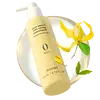
This oil-based cleanser is mild enough to cleanse without leaving skin feeling tight or stripped.
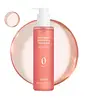
This oil-based makeup remover is made to dissolve makeup, sunscreen, and daily buildup.

What's inside
What's inside
 Key Ingredients
Benefits
Concerns
Ingredients Side-by-side
Ethylhexyl Palmitate
Emollient




Zea Mays Oil
Emulsifying

Sorbeth-30 Tetraoleate
Emulsifying
Citrus Aurantium Dulcis Peel Oil
Masking
Citrus Aurantifolia Oil
Cleansing

Vitis Vinifera Seed Oil
Emollient

Olea Europaea Fruit Oil
Masking
Glycine Soja Oil
Emollient

Cananga Odorata Flower Oil
Masking
Vegetable Oil
Skin Conditioning
Corylus Avellana Seed Oil
Emollient
Macadamia Ternifolia Seed Oil
Emollient
Capryloyl Salicylic Acid
Exfoliating



Bisabolol
Antioxidant


Tocopherol
Antioxidant


Ethylhexyl Palmitate, Zea Mays Oil, Sorbeth-30 Tetraoleate, Citrus Aurantium Dulcis Peel Oil, Citrus Aurantifolia Oil, Vitis Vinifera Seed Oil, Olea Europaea Fruit Oil, Glycine Soja Oil, Cananga Odorata Flower Oil, Vegetable Oil, Corylus Avellana Seed Oil, Macadamia Ternifolia Seed Oil, Capryloyl Salicylic Acid, Bisabolol, Tocopherol
Zea Mays Oil
Emulsifying
Ethylhexyl Palmitate
Emollient
Persea Gratissima Oil
Skin Conditioning
Helianthus Annuus Seed Oil
Emollient
Olea Europaea Fruit Oil
Masking
Simmondsia Chinensis Seed Oil
Emollient
Rosa Canina Fruit Oil
Emollient
Tocopherol
Antioxidant
Camellia Japonica Seed Oil
Emollient
Panax Ginseng Seed Oil
Emollient
Sorbeth-30 Tetraoleate
Emulsifying
Pogostemon Cablin Leaf Oil
Masking
Melia Azadirachta Extract
Skin ConditioningMoringa Oleifera Seed Oil
Emollient
Argania Spinosa Kernel Oil
Emollient
Squalane
Emollient
Hippophae Rhamnoides Oil
Emollient
Bisabolol
Antioxidant
Zea Mays Oil, Ethylhexyl Palmitate, Persea Gratissima Oil, Helianthus Annuus Seed Oil, Olea Europaea Fruit Oil, Simmondsia Chinensis Seed Oil, Rosa Canina Fruit Oil, Tocopherol, Camellia Japonica Seed Oil, Panax Ginseng Seed Oil, Sorbeth-30 Tetraoleate, Pogostemon Cablin Leaf Oil, Melia Azadirachta Extract, Moringa Oleifera Seed Oil, Argania Spinosa Kernel Oil, Squalane, Hippophae Rhamnoides Oil, Bisabolol
Ingredients Explained
These ingredients are found in both products.
Ingredients higher up in an ingredient list are typically present in a larger amount.
Bisabolol is a gentle skin conditioner, antioxidant, and soothing ingredient.
It's primary claim to fame is soothing and research shows topically applied bisabolol can quiet the chemical messengers that cause your skin to become inflamed, helping to sooth any irritation.
A clinical study found that applying 0.5% bisabolol daily for 8 weeks produced an average 9% decrease in skin pigmentation. Researchers found it can also suppress the process that leads to excess melanin production in skin.
In vitro studies found that bisabolol combined with propylene glycol significantly increased skin permeability by increasing lipid fluidity in the stratum corneum.
You'll likely see use concentrations quite low, usually 0.1-0.2%.
Overall, this is a well-tolerated ingredient that works well in formulas designed for sensitive, reactive, or post-procedure skin.
Learn more about BisabololEthylhexyl Palmitate, also known as octyl palmitate, is created from 2-ethylhexyl alcohol and palmitic acid.
In cosmetics, it plays many roles:
One thing worth noting: a controlled study found this ingredient applied under occlusion to acne-prone subjects increased microcomedones. Just keep in mind this was under occlusive conditions and don't reflect how most products are used day-to-day.
For most people, this is a well-tolerated and lightweight ingredient.
This ingredient may not be fungal acne safe because it is an ester of palmitic acid, a C16 fatty acid that falls within the C11-24 range that Malassezia can metabolize.
You'll see this one rated 4 comedogenic all over the internet. That number isn't from a single study, and the actual research is more interesting.
The original rating comes from 1980s rabbit ear tests (which are a shaky basis for anything). But Ethylhexyl Palmitate is one of the few ingredients with real human data behind it. A 2021 controlled trial found this ingredient increased microcomedones by an average of 365% over four weeks.
Just know that test used the pure ingredient under an occlusive pad on back skin; most products use it at much lower levels alongside other ingredients and plenty of people use those with no issue.
Learn more about Ethylhexyl PalmitateThis ingredient is also known as olive oil. It has been used in skincare for centuries and science largely backs up its reputation as a nourishing emollient.
The main components of olive oil are oleic acid (55-83%), linoleic acid (3.5-20%), and palmitic acid (7-20%). Oleic acid promotes skin regeneration and helps regulate inflammatory responses.
Squalene is also naturally present in olive oil and exhibits moisturizing and antioxidant properties.
The polyphenols in olive oil also show anti-aging promise; one clinical study found a measurable improvement in skin appearance after 30 days of topical serum use.
Just be aware that applying olive oil directly to skin can weaken the barrier and cause redness. One study with volunteers found even people without sensitive skin experienced a significant reduction in stratum corneum integrity and induced mild erythema.
It's best to use this ingredient as part of a carefully crafted formula (instead of putting it on skin directly from the bottle).
Because it has a 0-2 on the comedogenic scale, it is low risk for acne-prone skin. Just remember the overall formulation of a product matters more than a few ingredients with comedogenic ratings.
This ingredient may not be fungal acne safe because of the oleic and palmitic acid content. These fall within the C11-24 fatty acid range that the Malassezia yeast can metabolize to grow.
Overall, olive oil is a well-studied and nourishing skincare ingredient.
Learn more about Olea Europaea Fruit OilSorbeth-30 Tetraoleate is a surfactant and emulsifier.
This ingredient is a tetraester from oleic acid and polyethylene glycol ether of sorbitol.
As an emulsifier, it helps ingredients such as oil and water mix together. This allows the dirt and oils in your skin to be washed away.
One study found pumpkin oil containing Sorbeth-30 Tetraoleate helped hydrate the skin and did not cause any irritation.
Learn more about Sorbeth-30 TetraoleateTocopherol is a fat-soluble antioxidant known as Vitamin E.
You'll find this ingredient in the vast majority of skincare (for good reason). It works to neutralize free radicals, or unstable molecules generated by UV exposure, pollution, and other environmental stressors, before they can cause oxidative damage to your skin cells.
Topically applied tocopherol has been shown to protect against UV damage by ramping up the skin's own natural defense enzymes.
It also acts as a skin conditioning agent; some studies show that regular topical use can improve the skin's water-binding capacity over 2-4 weeks.
This ingredient is especially loved for being a team player. When combined with Vitamin C, the photoprotective effect of both ingredients roughly doubles and the combo also helps reduce UV-induced DNA damage.
This ingredient has some brightening potential but it's more of a prevention ingredient than spot-fader. Cell studies show it can slow down melanin production but it's worth noting that it's not the most powerful brightener out there.
In formulations, it also serves as a stabilizer that helps protect other oxidation-prone ingredients from degrading.
Concentrations usually range from 0.1-1% in most leave-on products.
Learn more about TocopherolYes, this ingredient is corn oil. In skincare, it acts as an emollient, skin conditioner, fragrance ingredient, and emusifier.
Like most plant oils, corn oil is basically a bundle of fatty acids: linoleic (34-62%), oleic (19-49%), palmitic (8-12%) and a bit of stearic.
The ranges of the fatty acids differ so much because it varies batch to batch depending on the cultivar and the growing conditions.
In skincare, it mostly does good plant oil stuff: it softens, sits on the surface to slow water evaporation, and makes formulas feel richer.
Now the honest part. Corn oil isn't studied much in dermatology but we do know it's the go-to vehicle in lab research. So there's decades of research where corn oil was the boring control; it never produced an effect of its own but we also don't have much research on it doing something exciting for your skin.
The one thing worth talking about is linoleic. Acne-prone follicles tend to be low in linoleate and a small study found topical linoleic acid shrank microcomedones by around 25% over a month. That was pure linoleic acid and not corn oil so it should be filed under "promising theory" rather than "proven benefit".
Concentration use can be anywhere from trace amounts to about 14% (the high end shows up in cleansers, moisturizers, body creams, and masks). Corn germ oil, which is basically the same ingredient under a different INCI name, has been reported as high as 25% but most of the time you're looking at low single digits.
Corn oil itself isn't a common allergen. Allergies to actual corn are triggered by corn proteins which is mostly refined out of the oil for cosmetic use. How much of the protein removed depends on the manufacturing process, so it's always better to patch test just in case.
This ingredient does have a comedogenic rating of 0-3, but this doesn't mean a formula with this ingredient will clog pores.
Human testing has proved that any finished product with this ingredient won't automatically make you break out; it really comes down to concentration, formula, and your skin.
The Malassezia yeast can't make its own fatty acids and breaks down oils around it to feed. Lab research shows the yeast grows when fatty acids in the C11-C24 range are available. Since corn oil is almost entirely C16-C18 fatty acids, this ingredient may not be fungal acne safe.
Learn more about Zea Mays Oil

