
What's inside
What's inside
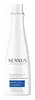 Key Ingredients
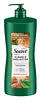
No key ingredients
Benefits
Concerns
Ingredients Side-by-side
Water
Skin ConditioningCetearyl Alcohol
Emollient






Dimethicone
Emollient

Stearamidopropyl Dimethylamine
EmulsifyingHydrolyzed Elastin
EmollientHydrolyzed Keratin
Humectant
Hydrolyzed Wheat Protein
Skin ConditioningCaulerpa Lentillifera Extract
Behentrimonium Chloride
Preservative
Parfum
Masking


Dipropylene Glycol
HumectantLactic Acid
Buffering






Amodimethicone
Trehalose
Humectant
Gluconolactone
Chelating

Cocos Nucifera Oil
Masking
Potassium Chloride
Disodium EDTA
ChelatingPEG-7 Propylheptyl Ether
Emulsion StabilisingCetrimonium Chloride
Antimicrobial
Sodium Sulfate
Methylchloroisothiazolinone
Preservative
Methylisothiazolinone
Preservative
Water, Cetearyl Alcohol, Dimethicone, Stearamidopropyl Dimethylamine, Hydrolyzed Elastin, Hydrolyzed Keratin, Hydrolyzed Wheat Protein, Caulerpa Lentillifera Extract, Behentrimonium Chloride, Parfum, Dipropylene Glycol, Lactic Acid, Amodimethicone, Trehalose, Gluconolactone, Cocos Nucifera Oil, Potassium Chloride, Disodium EDTA, PEG-7 Propylheptyl Ether, Cetrimonium Chloride, Sodium Sulfate, Methylchloroisothiazolinone, Methylisothiazolinone
Water
Skin ConditioningSodium Laureth Sulfate
Cleansing

Cocamidopropyl Betaine
Cleansing
Sodium Chloride
MaskingPrunus Amygdalus Dulcis Oil
Skin Conditioning
Butyrospermum Parkii Butter
Skin Conditioning
Aloe Barbadensis Leaf Juice
Skin Conditioning

Cymbopogon Schoenanthus Oil
Masking
Rosmarinus Officinalis Leaf Oil
Masking
Chamomilla Recutita Extract
Skin Conditioning
Lavandula Angustifolia Flower Extract
Cleansing
Simmondsia Chinensis Seed Oil
Emollient
Dimethiconol
Emollient
Carbomer
Emulsion StabilisingPPG-9
Skin ConditioningGuar Hydroxypropyltrimonium Chloride
Skin ConditioningTetrasodium EDTA
ChelatingAmodimethicone
DMDM Hydantoin
Preservative
Tea-Dodecylbenzenesulfonate
CleansingCitric Acid
Buffering
C11-15 Pareth-7
EmulsifyingLaureth-9
EmulsifyingTrideceth-12
EmulsifyingMethylchloroisothiazolinone
Preservative
Methylisothiazolinone
Preservative
Mica
Cosmetic ColorantTitanium Dioxide
Cosmetic Colorant

CI 19140
Cosmetic ColorantCI 17200
Cosmetic ColorantParfum
Masking
Water, Sodium Laureth Sulfate, Cocamidopropyl Betaine, Sodium Chloride, Prunus Amygdalus Dulcis Oil, Butyrospermum Parkii Butter, Aloe Barbadensis Leaf Juice, Cymbopogon Schoenanthus Oil, Rosmarinus Officinalis Leaf Oil, Chamomilla Recutita Extract, Lavandula Angustifolia Flower Extract, Simmondsia Chinensis Seed Oil, Dimethiconol, Carbomer, PPG-9, Guar Hydroxypropyltrimonium Chloride, Tetrasodium EDTA, Amodimethicone, DMDM Hydantoin, Tea-Dodecylbenzenesulfonate, Citric Acid, C11-15 Pareth-7, Laureth-9, Trideceth-12, Methylchloroisothiazolinone, Methylisothiazolinone, Mica, Titanium Dioxide, CI 19140, CI 17200, Parfum
Ingredients Explained
These ingredients are found in both products.
Ingredients higher up in an ingredient list are typically present in a larger amount.
This water-soluble silicone is used for its hydrating and softening properties. It is used to add a silky feel to skincare products and has great benefits for haircare.
In haircare, this ingredient:
- Adds shine
- Protects color
- Offers thermal protection
- Boosts hair strength
- Does not build up as easily
Methylchloroisothiazolinone, or MCI, is a synthetic preservative used to protect against the growth of bacteria, yeasts, and fungi in water-based products.
MCI is commonly combined with methylisothiazolinone (MI) in a 3:1 ratio.
This ingredient is safe in cosmetics when formulated to be non-sensitizing and concentrations must not exceed 7.5 ppm in leave-on products / 15 ppm in rinse-off products.
Unfortunately, this ingredient has a well-documented sensitization story. Studies spanning several decades have shown this ingredient + MI to cause skin irritation and allergies.
The use of this ingredient varies around the world:
This just means this ingredient is most likely non-sensitizing in rinse-off products unless you've been diagnosed with a contact allergy to isothiazolinones.
Learn more about MethylchloroisothiazolinoneMI is a preservative and known skin irritant. In the past, MI was used for its ability to prevent bacteria, yeast, and fungi growth in low doses.
Nowadays, you'll most likely see MI combined with Methylchloroisothiazolinone (MCI).
Since then, numerous studies have shown this ingredient to cause contact dermatitis, or skin irritation.
The use of this ingredient varies around the world:
Learn more about MethylisothiazolinoneParfum is a catch-all term for an ingredient or more that is used to give a scent to products.
Also called "fragrance", this ingredient can be a blend of hundreds of chemicals or plant oils. This means every product with "fragrance" or "parfum" in the ingredients list is a different mixture.
For instance, Habanolide is a proprietary trade name for a specific aroma chemical. When used as a fragrance ingredient in cosmetics, most aroma chemicals fall under the broad labeling category of “FRAGRANCE” or “PARFUM” according to EU and US regulations.
The term 'parfum' or 'fragrance' is not regulated in many countries. In many cases, it is up to the brand to define this term.
For instance, many brands choose to label themselves as "fragrance-free" because they are not using synthetic fragrances. However, their products may still contain ingredients such as essential oils that are considered a fragrance by INCI standards.
One example is Calendula flower extract. Calendula is an essential oil that still imparts a scent or 'fragrance'.
Depending on the blend, the ingredients in the mixture can cause allergies and sensitivities on the skin. Some ingredients that are known EU allergens include linalool and citronellol.
Parfum can also be used to mask or cover an unpleasant scent.
The bottom line is: not all fragrances/parfum/ingredients are created equally. If you are worried about fragrances, we recommend taking a closer look at an ingredient. And of course, we always recommend speaking with a professional.
Learn more about ParfumWater. It's the most common cosmetic ingredient of all. You'll usually see it at the top of ingredient lists, meaning that it makes up the largest part of the product.
So why is it so popular? Water most often acts as a solvent - this means that it helps dissolve other ingredients into the formulation.
You'll also recognize water as that liquid we all need to stay alive. If you see this, drink a glass of water. Remember to stay hydrated!
Learn more about Water

