Neutrogena Rapid Firming Peptide Multi Action Eye Cream Versus Neutrogena Hydro Boost+ Caffeine Eye Gel Cream
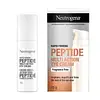
This anti-aging eye moisturizer is formulated around Gluconolactone and Palmitoyl Tripeptide-1 to soften the look of wrinkles and refine skin texture.
This anti-aging eye moisturizer is formulated around Caffeine and Acetyl Glucosamine to soften the look of wrinkles.

What's inside
What's inside
 Key Ingredients
Benefits
Concerns
Ingredients Side-by-side
Water
Skin ConditioningOctyldodecyl Neopentanoate
EmollientButylene Glycol
Humectant

Glyceryl Stearate
Emollient

Gluconolactone
Chelating







Propylene Glycol Hydroxystearate
Skin ConditioningStearyl Alcohol
Emollient
PEG-40 Stearate
Emulsifying
Cetyl Alcohol
Emollient
Arginine
Masking
Lactobionic Acid
Buffering
Dimethicone
Emollient
Glycerin
Humectant
Cucumis Sativus Fruit Extract
Emollient

Sodium Hyaluronate
Humectant
Camellia Sinensis Leaf Extract
Antimicrobial
N-Hydroxysuccinimide
Skin ConditioningPalmitoyl Tripeptide-1
Skin Conditioning
Ethylhexylglycerin
Skin ConditioningPalmitoyl Tetrapeptide-7
Skin Conditioning
Tocopheryl Acetate
Antioxidant
Tetrahexyldecyl Ascorbate
Antioxidant
Panthenol
Skin Conditioning
BHT
Antioxidant
Chrysin
Skin ConditioningNylon-12

Retinyl Palmitate
Skin Conditioning

PEG-75 Stearate
Surfactant
Saccharomyces Cerevisiae Extract
Skin Conditioning
Ceteth-20
CleansingSteareth-20
CleansingDisodium EDTA
ChelatingSodium Bisulfite
Antioxidant
Caprylyl Glycol
Emollient
Phenoxyethanol
Preservative
Chlorphenesin
Antimicrobial
CI 19140
Cosmetic ColorantWater, Octyldodecyl Neopentanoate, Butylene Glycol, Glyceryl Stearate, Gluconolactone, Propylene Glycol Hydroxystearate, Stearyl Alcohol, PEG-40 Stearate, Cetyl Alcohol, Arginine, Lactobionic Acid, Dimethicone, Glycerin, Cucumis Sativus Fruit Extract, Sodium Hyaluronate, Camellia Sinensis Leaf Extract, N-Hydroxysuccinimide, Palmitoyl Tripeptide-1, Ethylhexylglycerin, Palmitoyl Tetrapeptide-7, Tocopheryl Acetate, Tetrahexyldecyl Ascorbate, Panthenol, BHT, Chrysin, Nylon-12, Retinyl Palmitate, PEG-75 Stearate, Saccharomyces Cerevisiae Extract, Ceteth-20, Steareth-20, Disodium EDTA, Sodium Bisulfite, Caprylyl Glycol, Phenoxyethanol, Chlorphenesin, CI 19140
Water
Skin ConditioningGlycerin
Humectant
Dimethicone
Emollient
Cetearyl Olivate
Caffeine
Skin Conditioning
Sorbitan Olivate
Emulsifying
Ammonium Acryloyldimethyltaurate/Vp Copolymer
Caprylyl Glycol
Emollient
Panthenol
Skin Conditioning
Ethylhexylglycerin
Skin ConditioningDimethicone Crosspolymer
Emulsion Stabilising
Dimethiconol
Emollient
Acetyl Glucosamine
Skin Conditioning
Sodium Hyaluronate
Humectant
Steareth-20
CleansingN-Hydroxysuccinimide
Skin ConditioningChrysin
Skin ConditioningPalmitoyl Tripeptide-1
Skin Conditioning
Palmitoyl Tetrapeptide-7
Skin Conditioning
Water, Glycerin, Dimethicone, Cetearyl Olivate, Caffeine, Sorbitan Olivate, Ammonium Acryloyldimethyltaurate/Vp Copolymer, Caprylyl Glycol, Panthenol, Ethylhexylglycerin, Dimethicone Crosspolymer, Dimethiconol, Acetyl Glucosamine, Sodium Hyaluronate, Steareth-20, N-Hydroxysuccinimide, Chrysin, Palmitoyl Tripeptide-1, Palmitoyl Tetrapeptide-7
Ingredients Explained
These ingredients are found in both products.
Ingredients higher up in an ingredient list are typically present in a larger amount.
Caprylyl Glycol is a humectant, skin conditioner, emollient, and preservative booster derived from either caprylic acid or synthetically created.
Typical use levels vary from 0.3-1% as a preservative booster and go up to 2% to condition skin.
Because it is not a free-fatty acid, this ingredient is fungal acne safe (there's nothing for Malassezia to feed on).
Learn more about Caprylyl GlycolWe don't have a description for Chrysin yet.
Dimethicone is a type of synthetic silicone created from natural materials such as quartz. It is also known as polydimethylsiloxane.
What it does:
Dimethicone comes in different viscosities:
Depending on the viscosity, dimethicone has different properties.
Ingredients lists don't always show which type is used, so we recommend reaching out to the brand if you have questions about the viscosity.
This ingredient is unlikely to cause irritation because it does not get absorbed into skin. However, people with silicone allergies should be careful about using this ingredient.
Note: Dimethicone may contribute to pilling. This is because it is not oil or water soluble, so pilling may occur when layered with products. When mixed with heavy oils in a formula, the outcome is also quite greasy.
Learn more about DimethiconeEthylhexylglycerin is created from glycerin. It is a multitasker ingredient that:
The CIR Expert Panel found minimal skin absorption or sensitization of any kind in a safety assessment. Though this ingredient is considered well-tolerated, a small number of cases of allergic dermatitis have been published since 2002. Just be sure to patch test if you are unsure.
Industry-reported use ranges from 8% in rinse-off products and 2% in leave-on formulations.
Learn more about EthylhexylglycerinGlycerin (or glycerol) is a compound naturally found in your skin. It's a powerhouse humectant that pulls water into the stratum corneum.
Topically, glycerin does several things at once:
Your skin makes glycerin on its own (mostly from sebaceous oil breakdown) and shuttles it to your outermost layer of skin, or your epidermis, via aquaporin-3.
Aquaporin-3 is a transporter that is essential for normal skin hydration, elasticity, and repair. Interestingly, mice lacking in AQP3 have dry and less elastic skin that can be fully corrected with glycerin.
This ingredient is non-irritating, plays well with almost every ingredient, and works across all skin types. Typical use is anywhere between 3-10% but can go up to 79% in some leave-on products.
Just know very high concentrations (>40%) can feel tacky in low humidity.
Glycerin is the name for this ingredient in American English. British English uses Glycerol/Glycerine.
Learn more about GlycerinWe don't have a description for N-Hydroxysuccinimide yet.
Palmitoyl Tetrapeptide-7 (formerly Palmitoyl Tetrapeptide-3) is a synthetic peptide. Its main job is to fight what researchers call "inflammaging".
"Inflammaging" is the slow, low-grade chronic inflammation that quietly breaks down collagen as we age.
This ingredient calms down a specific inflammation signal in your skin cells (called IL-6). When left unchecked, this signal triggers enzymes that break down collagen and elastin.
Clinical testing showed statistically significant improvements in:
Studies also found the more of this ingredient used, the more your skin produces Collagen I, fibronectin, and hyaluronic acid.
You'll likely see this ingredient paired with Palmitoyl Tripeptide-1 in the well-known Matrixyl 3000 complex for enhanced anti-aging effects.
A 3% concentration applied twice daily for two months showed meaningful skin rejuvenation results in clinical panels.
Fungal acne note:
Usually a palmitic acid component can feed Malassezia in unbound form, but here is is covalently bonded to the peptide. This means it is very difficult for Malassezia to access, and therefore very unlikely to cause fungal acne.
Palmitoyl Tripeptide-1 (aka Pal-GHK) is a synthetic signal peptide made of three amino acids attached to palmitic acid.
That fatty acid attachment is the key: it boosts the peptide's ability to penetrate the skin barrier. This puts it closer to the dermal cells where it can actually make a difference.
Once there, it acts as a matrikine, a signaling peptide that prompts fibroblasts to produce more collagen, fibronectin, and hyaluronic acid.
In vitro studies show it can boost collagen production in skin cells even when UV-damaged skin samples were treated with it at a tiny concentration (it almost fully restored dermal collagen at 5ppm). It achieved this at 100x lower concentration than retinoic acid, which needed 500 ppm to do the same thing.
Human clinical data is promising, but modest:
A study of 23 female volunteers found a small but statistically significant increase (~4%) in skin thickness after treatment at 4 ppm.
A separate small trial of 15 women showed statistically significant reductions in wrinkle length, depth, and skin roughness after applying it twice daily for four weeks.
You'll likely see Pal-GHK paired with Palmitoyl Tetrapeptide-7 as part of the Matrixyl 3000 complex.
Fungal acne note:
Usually a palmitic acid component can feed Malassezia in unbound form, but here is is covalently bonded to the peptide. This means it is very difficult for Malassezia to access, and therefore very unlikely to cause fungal acne.
Panthenol is a common ingredient that helps hydrate and soothe the skin. It is found naturally in our skin and hair.
There are two forms of panthenol: D and L.
D-panthenol is also known as dexpanthenol. Most cosmetics use dexpanthenol or a mixture of D and L-panthenol.
Panthenol is famous due to its ability to go deeper into the skin's layers. Using this ingredient has numerous pros (and no cons):
Like hyaluronic acid, panthenol is a humectant. Humectants are able to bind and hold large amounts of water to keep skin hydrated.
This ingredient works well for wound healing. It works by increasing tissue in the wound and helps close open wounds.
Once oxidized, panthenol converts to pantothenic acid. Panthothenic acid is found in all living cells.
This ingredient is also referred to as pro-vitamin B5.
Learn more about PanthenolSodium Hyaluronate is the salt form of hyaluronic acid. It is a long sugar chain that is naturally found in your skin, joints, and connective tissue that maintains hydration and elasticity.
In skincare, it works as a humectant. It pulls water from the environment and deeper layers of skin and binds it to the surface.
Interestingly, the size of the molecule affects its behavior:
Some clinical evidence links low molecular weight versions to improved wrinkle depth, elasticity, anti-inflammatory effects, and barrier repair.
Many serums use a blend of both weights so you can get surface hydration plus longer-lasting and deeper effects.
You'll typically see concentrations between 0.1-2% for this ingredient.
Learn more about Sodium HyaluronateSteareth-20 is an emulsifier and solubilizer. It is created from stearyl alcohol with ~20 units of ethylene oxide to give it a strong preference for water.
As an emulsifier, it helps oil-in-water emulsions like lotions, creams, and cleansers stay stable. It also solubilizes small amounts of oil-loving ingredients (like fragrance) into water-based formulas.
You'll likely find this ingredient with steareth-2 (it's oil-loving sister) where the two work together to give products a cushiony feel.
Typical use levels sit at around 1-5% and this ingredient has been found to be non-irritating by the CIR Expert Panel.
Learn more about Steareth-20Water. It's the most common cosmetic ingredient of all. You'll usually see it at the top of ingredient lists, meaning that it makes up the largest part of the product.
So why is it so popular? Water most often acts as a solvent - this means that it helps dissolve other ingredients into the formulation.
You'll also recognize water as that liquid we all need to stay alive. If you see this, drink a glass of water. Remember to stay hydrated!
Learn more about Water

