
What's inside
What's inside
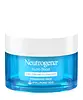 Key Ingredients
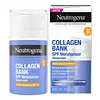
Benefits
Concerns
Ingredients Side-by-side
Water
Skin ConditioningDimethicone
Emollient
Glycerin
Humectant



Cetearyl Olivate

Polyacrylamide
Sorbitan Olivate
Emulsifying
Phenoxyethanol
Preservative
Dimethicone/Vinyl Dimethicone Crosspolymer
Skin Conditioning
Synthetic Beeswax
Emulsion Stabilising
C13-14 Isoparaffin
Emollient
Dimethiconol
Emollient
Dimethicone Crosspolymer
Emulsion Stabilising
Chlorphenesin
Antimicrobial
Laureth-7
EmulsifyingCarbomer
Emulsion StabilisingSodium Hyaluronate
Humectant
Ethylhexylglycerin
Skin ConditioningC12-14 Pareth-12
EmulsifyingSodium Hydroxide
BufferingWater, Dimethicone, Glycerin, Cetearyl Olivate, Polyacrylamide, Sorbitan Olivate, Phenoxyethanol, Dimethicone/Vinyl Dimethicone Crosspolymer, Synthetic Beeswax, C13-14 Isoparaffin, Dimethiconol, Dimethicone Crosspolymer, Chlorphenesin, Laureth-7, Carbomer, Sodium Hyaluronate, Ethylhexylglycerin, C12-14 Pareth-12, Sodium Hydroxide
Butyl Methoxydibenzoylmethane 2.5%
UV Absorber


Homosalate 6%
Skin Conditioning
Ethylhexyl Salicylate 4.5%
UV Absorber
Octocrylene 8%
UV Absorber
Water
Skin ConditioningSilica
Abrasive
Caprylyl Methicone
Skin Conditioning
Diisopropyl Adipate
EmollientDimethicone
Emollient
Potassium Cetyl Phosphate
EmulsifyingSynthetic Beeswax
Emulsion Stabilising
Benzyl Alcohol
Perfuming



Hydrolyzed Collagen
Emollient
Acetyl Dipeptide-31 Amide
Skin Conditioning
Tocopheryl Acetate
Antioxidant

Jojoba Esters
Emollient
Hydrolyzed Jojoba Esters
Skin Conditioning
Caprylyl Glycol
Emollient
Ethylhexylglycerin
Skin ConditioningCetyl Dimethicone
Emollient
Glyceryl Stearate
Emollient
PEG-100 Stearate
Behenyl Alcohol
Emollient
Xanthan Gum
EmulsifyingSodium Polyacrylate
Absorbent
Acrylates/Dimethicone Copolymer
Skin Conditioning
Dimethicone/PEG-10/15 Crosspolymer
Ethylhexyl Stearate
Emollient
Chlorphenesin
Antimicrobial
Disodium EDTA
Trideceth-6
EmulsifyingBHT
Antioxidant
Butyl Methoxydibenzoylmethane 2.5%, Homosalate 6%, Ethylhexyl Salicylate 4.5%, Octocrylene 8%, Water, Silica, Caprylyl Methicone, Diisopropyl Adipate, Dimethicone, Potassium Cetyl Phosphate, Synthetic Beeswax, Benzyl Alcohol, Hydrolyzed Collagen, Acetyl Dipeptide-31 Amide, Tocopheryl Acetate, Jojoba Esters, Hydrolyzed Jojoba Esters, Caprylyl Glycol, Ethylhexylglycerin, Cetyl Dimethicone, Glyceryl Stearate, PEG-100 Stearate, Behenyl Alcohol, Xanthan Gum, Sodium Polyacrylate, Acrylates/Dimethicone Copolymer, Dimethicone/PEG-10/15 Crosspolymer, Ethylhexyl Stearate, Chlorphenesin, Disodium EDTA, Trideceth-6, BHT
Reviews
Ingredients Explained
These ingredients are found in both products.
Ingredients higher up in an ingredient list are typically present in a larger amount.
Chlorphenesin is a synthetic preservative. It helps protect a product against bacteria in order to extend shelf life. In most cases, Chlorphenesin is paired with other preservatives such as phenoxyethanol and caprylyl glycol.
Chlorphenesin is a biocide. This means it is able to help fight the microorganisms on our skin. It is also able to fight odor-releasing bacteria.
Chlorphenesin is soluble in both water and glycerin.
Studies show Chlorphenesin is easily absorbed by our skin. You should speak with a skincare professional if you have concerns about using Chlorphenesin.
Learn more about ChlorphenesinDimethicone is a type of synthetic silicone created from natural materials such as quartz.
What it does:
Dimethicone comes in different viscosities:
Depending on the viscosity, dimethicone has different properties.
Ingredients lists don't always show which type is used, so we recommend reaching out to the brand if you have questions about the viscosity.
This ingredient is unlikely to cause irritation because it does not get absorbed into skin. However, people with silicone allergies should be careful about using this ingredient.
Note: Dimethicone may contribute to pilling. This is because it is not oil or water soluble, so pilling may occur when layered with products. When mixed with heavy oils in a formula, the outcome is also quite greasy.
Learn more about DimethiconeEthylhexylglycerin (we can't pronounce this either) is commonly used as a preservative and skin softener. It is derived from glyceryl.
You might see Ethylhexylglycerin often paired with other preservatives such as phenoxyethanol. Ethylhexylglycerin has been found to increase the effectiveness of these other preservatives.
Synthetic beeswax is created to be identical in structure to beeswax. It possesses the same occlusive and emulsion properties.
A blend of fatty acid esters, fatty acids, and alcohols are used to create synthetic beeswax. Whether or not this ingredient is vegan depends on the source. Sometimes, lanolin is used for its creation.
This ingredient may not be Malassezia folliculitis, or fungal-acne safe.
Learn more about Synthetic BeeswaxWater. It's the most common cosmetic ingredient of all. You'll usually see it at the top of ingredient lists, meaning that it makes up the largest part of the product.
So why is it so popular? Water most often acts as a solvent - this means that it helps dissolve other ingredients into the formulation.
You'll also recognize water as that liquid we all need to stay alive. If you see this, drink a glass of water. Stay hydrated!
Learn more about Water
