Neutrogena Hydro Boost and Hydrating Hydrogel Mask Versus Dr. Jart+ Ceramidin Skin Barrier Moisturizing Mask
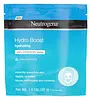
This hydrating sheet mask is formulated around Chondrus Crispus Extract and Hydrolyzed Hyaluronic Acid to hydrate skin and calm redness.
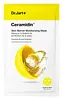
This barrier-repair sheet mask is formulated around Panthenol and Ceramide NP to strengthen the skin barrier and hydrate skin.


What's inside
What's inside
 Key Ingredients
Benefits
Concerns
Ingredients Side-by-side
Water
Skin ConditioningDipropylene Glycol
HumectantPropanediol
Solvent

Ceratonia Siliqua Gum
EmollientXanthan Gum
EmulsifyingChondrus Crispus Extract
Skin Conditioning
Chlorphenesin
Antimicrobial
PEG-60 Hydrogenated Castor Oil
Emulsifying


Phenoxyethanol
Preservative
Potassium Chloride
Parfum
Masking



Disodium EDTA
ChelatingHydrolyzed Hyaluronic Acid
Humectant


Tremella Fuciformis Sporocarp Extract
Antioxidant
Plukenetia Volubilis Seed Oil
Emollient
Sucrose Cocoate
Emulsifying

Tocopherol
Antioxidant


Blue 1 Lake
Cosmetic ColorantWater, Dipropylene Glycol, Propanediol, Ceratonia Siliqua Gum, Xanthan Gum, Chondrus Crispus Extract, Chlorphenesin, PEG-60 Hydrogenated Castor Oil, Phenoxyethanol, Potassium Chloride, Parfum, Disodium EDTA, Hydrolyzed Hyaluronic Acid, Tremella Fuciformis Sporocarp Extract, Plukenetia Volubilis Seed Oil, Sucrose Cocoate, Tocopherol, Blue 1 Lake
Water
Skin ConditioningGlycerin
Humectant
Dipropylene Glycol
Humectant1,2-Hexanediol
Skin Conditioning
Panthenol
Skin Conditioning
Hydrogenated Poly(C6-14 Olefin)
EmollientDicaprylyl Carbonate
EmollientBetaine
Humectant
Methyl Trimethicone
Skin Conditioning
Ceramide NP
Skin Conditioning
Sodium Stearoyl Glutamate
CleansingPolyglyceryl-10 Stearate
Skin Conditioning
Allantoin
Skin Conditioning
Ethylhexylglycerin
Skin ConditioningCholesterol
Emollient
Pelargonium Graveolens Flower Oil
Masking

Olea Europaea Fruit Oil
Masking
Citrus Aurantium Bergamia Fruit Oil
Masking
Cetearyl Alcohol
Emollient

Behenyl Alcohol
Emollient
Acrylates/C10-30 Alkyl Acrylate Crosspolymer
Emulsion StabilisingHydrogenated Lecithin
Emulsifying
Tromethamine
BufferingGlyceryl Stearate Se
Emulsifying
Salvia Officinalis Oil
Masking
Sodium Phytate
ChelatingTocopherol
Antioxidant
CI 19140
Cosmetic ColorantWater, Glycerin, Dipropylene Glycol, 1,2-Hexanediol, Panthenol, Hydrogenated Poly(C6-14 Olefin), Dicaprylyl Carbonate, Betaine, Methyl Trimethicone, Ceramide NP, Sodium Stearoyl Glutamate, Polyglyceryl-10 Stearate, Allantoin, Ethylhexylglycerin, Cholesterol, Pelargonium Graveolens Flower Oil, Olea Europaea Fruit Oil, Citrus Aurantium Bergamia Fruit Oil, Cetearyl Alcohol, Behenyl Alcohol, Acrylates/C10-30 Alkyl Acrylate Crosspolymer, Hydrogenated Lecithin, Tromethamine, Glyceryl Stearate Se, Salvia Officinalis Oil, Sodium Phytate, Tocopherol, CI 19140
Reviews
Ingredients Explained
These ingredients are found in both products.
Ingredients higher up in an ingredient list are typically present in a larger amount.
Dipropylene Glycol is a synthetically created humectant, stabilizer, and solvent.
This ingredient helps:
Dipropylene glycol is technically an alcohol, but it belongs to the glycol family (often considered part of the ‘good’ alcohols). This means it is hydrating and gentle on skin unlike drying solvent alcohols like denatured alcohol.
As a masking agent, Dipropylene Glycol can be used to cover the smell of other ingredients. However, it does not have a scent.
Studies show Dipropylene Glycol is considered safe to use in skincare.
Learn more about Dipropylene GlycolTocopherol is a fat-soluble antioxidant known as Vitamin E.
You'll find this ingredient in the vast majority of skincare (for good reason). It works to neutralize free radicals, or unstable molecules generated by UV exposure, pollution, and other environmental stressors, before they can cause oxidative damage to your skin cells.
Topically applied tocopherol has been shown to protect against UV damage by ramping up the skin's own natural defense enzymes.
It also acts as a skin conditioning agent; some studies show that regular topical use can improve the skin's water-binding capacity over 2-4 weeks.
This ingredient is especially loved for being a team player. When combined with Vitamin C, the photoprotective effect of both ingredients roughly doubles and the combo also helps reduce UV-induced DNA damage.
This ingredient has some brightening potential but it's more of a prevention ingredient than spot-fader. Cell studies show it can slow down melanin production but it's worth noting that it's not the most powerful brightener out there.
In formulations, it also serves as a stabilizer that helps protect other oxidation-prone ingredients from degrading.
Concentrations usually range from 0.1-1% in most leave-on products.
Learn more about TocopherolWater. It's the most common cosmetic ingredient of all. You'll usually see it at the top of ingredient lists, meaning that it makes up the largest part of the product.
So why is it so popular? Water most often acts as a solvent - this means that it helps dissolve other ingredients into the formulation.
You'll also recognize water as that liquid we all need to stay alive. If you see this, drink a glass of water. Remember to stay hydrated!
Learn more about Water

