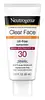
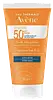
Neutrogena Clear Face Oil Free Sunscreen SPF 30 Versus Avène Very High Protection Fragrance-Free Fluid Ultra Light SPF 50+
This chemical sunscreen covers most of the UV range, lighter on the deep UVA that drives aging.
This chemical sunscreen covers the full UV range and blocks ~98% of UVB at SPF 50.


What's inside
What's inside
 Key Ingredients
Benefits
Concerns
Ingredients Side-by-side
Butyl Methoxydibenzoylmethane 2.5%
UV Absorber
Homosalate 8%
Skin Conditioning
Ethylhexyl Salicylate 5%
UV Absorber
Octocrylene 8%
UV Absorber

Water
Skin ConditioningSilica
Abrasive


Cetyl Dimethicone
Emollient
Styrene/Acrylates Copolymer
C12-15 Alkyl Benzoate
AntimicrobialEthylhexylglycerin
Skin ConditioningSteareth-100
Gel FormingAluminum Starch Octenylsuccinate
Absorbent
Phenoxyethanol
Preservative
Caprylyl Glycol
Emollient
Sodium Polyacrylate
Absorbent
Dimethicone
Emollient
Polyester-7
Skin ConditioningChlorphenesin
Antimicrobial
Steareth-2
EmulsifyingEthylhexyl Stearate
Emollient



Disodium EDTA
Propylene Glycol
Humectant
Neopentyl Glycol Diheptanoate
EmollientBisabolol
Antioxidant



Acrylates/Dimethicone Copolymer
Skin Conditioning
Butylene Glycol
Humectant
BHT
Antioxidant
Mannan
Xanthan Gum
EmulsifyingCapryloyl Glycine
CleansingTrideceth-6
EmulsifyingSarcosine
Skin Conditioning
Cedrus Atlantica Bark Extract
Perfuming

Cinnamomum Zeylanicum Bark Extract
Antimicrobial
Portulaca Oleracea Extract
Skin Conditioning
Butyl Methoxydibenzoylmethane 2.5%, Homosalate 8%, Ethylhexyl Salicylate 5%, Octocrylene 8%, Water, Silica, Cetyl Dimethicone, Styrene/Acrylates Copolymer, C12-15 Alkyl Benzoate, Ethylhexylglycerin, Steareth-100, Aluminum Starch Octenylsuccinate, Phenoxyethanol, Caprylyl Glycol, Sodium Polyacrylate, Dimethicone, Polyester-7, Chlorphenesin, Steareth-2, Ethylhexyl Stearate, Disodium EDTA, Propylene Glycol, Neopentyl Glycol Diheptanoate, Bisabolol, Acrylates/Dimethicone Copolymer, Butylene Glycol, BHT, Mannan, Xanthan Gum, Capryloyl Glycine, Trideceth-6, Sarcosine, Cedrus Atlantica Bark Extract, Cinnamomum Zeylanicum Bark Extract, Portulaca Oleracea Extract
Water
Skin ConditioningC12-15 Alkyl Benzoate
AntimicrobialDiethylamino Hydroxybenzoyl Hexyl Benzoate
UV Filter
Ethylhexyl Triazone
UV Absorber
Oryza Sativa Starch
AbsorbentPhenylene Bis-Diphenyltriazine
Stabilising
Glycerin
Humectant
Bis-Ethylhexyloxyphenol Methoxyphenyl Triazine
UV Absorber
Potassium Cetyl Phosphate
EmulsifyingGlyceryl Stearate
Emollient
Stearyl Alcohol
Emollient
Tapioca Starch
Vp/Eicosene Copolymer
Benzoic Acid
Masking
Caprylic/Capric Triglyceride
Masking
Caprylyl Glycol
Emollient
Glyceryl Behenate
Emollient
Glyceryl Dibehenate
Emollient
PPG-1-PEG-9 Lauryl Glycol Ether
EmulsifyingCI 17200
Cosmetic ColorantTocopheryl Glucoside
EmollientTribehenin
Emollient
Xanthan Gum
EmulsifyingWater, C12-15 Alkyl Benzoate, Diethylamino Hydroxybenzoyl Hexyl Benzoate, Ethylhexyl Triazone, Oryza Sativa Starch, Phenylene Bis-Diphenyltriazine, Glycerin, Bis-Ethylhexyloxyphenol Methoxyphenyl Triazine, Potassium Cetyl Phosphate, Glyceryl Stearate, Stearyl Alcohol, Tapioca Starch, Vp/Eicosene Copolymer, Benzoic Acid, Caprylic/Capric Triglyceride, Caprylyl Glycol, Glyceryl Behenate, Glyceryl Dibehenate, PPG-1-PEG-9 Lauryl Glycol Ether, CI 17200, Tocopheryl Glucoside, Tribehenin, Xanthan Gum
Reviews
Ingredients Explained
These ingredients are found in both products.
Ingredients higher up in an ingredient list are typically present in a larger amount.
C12-15 Alkyl Benzoate is a lightweight emollient made by combinig benzoic acid with fatty alcohols that are 12-15 carbons long.
In cosmetics, it plays several roles:
The Cosmetic Review Expert Panel has concluded the alkyl benzoate group to be safe as used in cosmetics; it wasn't found to be a skin irritant and unlikely to be absorbed due to its low water solubility.
This report recorded almost 1000 reported uses with concentrations up to 59% in leave-on products but your cosmetics will typically use 0.5-15% depending on the product.
It's often called a "SPF booster": this is because it keeps UV filters properly dissolved and evenly distributed to support a sunscreen's performance. It doesn't actually raise SPF on its own.
Overall, this ingredient is well tolerated.
This ingredient is fungal acne safe because it is an ester of benzoic acid.
Think of this ingredient as two parts stuck together: an oily part and an acid part. Malassezia only gets a meal when it can snip off a fatty acid to eat. With C12-15 Alkyl Benzoate, the acid part is benzoic acid, which isn't a fatty acid and which the yeast can't use as food.
Benzoic acid is actually used as a preservative to stop yeast from growing.
The oily part is a blend of C12-15 fatty alcohols but fatty alcohols in this size range can support only a little Malassezia growth (mostly for one species of Malassezia as well).
In the ingredient, those alcohols stay locked inside the molecule. The yeast can only reach them by snipping the benzoate bond, and that type of bond is harder for it to cut than a normal fatty bond.
So not much gets released. And whatever does get snipped comes packaged with benzoic acid, which discourages yeast growth.
Learn more about C12-15 Alkyl BenzoateCaprylyl Glycol is a humectant, skin conditioner, emollient, and preservative booster derived from either caprylic acid or synthetically created.
Typical use levels vary from 0.3-1% as a preservative booster and go up to 2% to condition skin.
Because it is not a free-fatty acid, this ingredient is fungal acne safe (there's nothing for Malassezia to feed on).
Learn more about Caprylyl GlycolWater. It's the most common cosmetic ingredient of all. You'll usually see it at the top of ingredient lists, meaning that it makes up the largest part of the product.
So why is it so popular? Water most often acts as a solvent - this means that it helps dissolve other ingredients into the formulation.
You'll also recognize water as that liquid we all need to stay alive. If you see this, drink a glass of water. Remember to stay hydrated!
Learn more about WaterXanthan gum is used as a stabilizer and thickener within cosmetic products. It helps give products a sticky, thick feeling - preventing them from being too runny.
On the technical side of things, xanthan gum is a polysaccharide - a combination consisting of multiple sugar molecules bonded together.
Xanthan gum is a pretty common and great ingredient. It is a natural, non-toxic, non-irritating ingredient that is also commonly used in food products.
Learn more about Xanthan Gum

