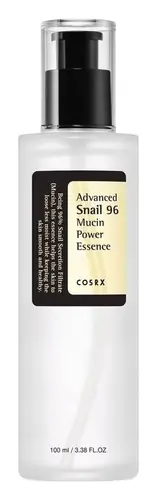
This serum is formulated around Aminopropyl Ascorbyl Phosphate to reduce redness and brighten.
This anti-aging moisturizer is formulated around Sh-Oligopeptide-1 and Bakuchiol to soften the look of wrinkles and strengthen the skin barrier.

What's inside
What's inside
 Key Ingredients
Benefits
Concerns
Ingredients Side-by-side
Water
Skin ConditioningGlycerin
Humectant


Caprylic/Capric Triglyceride
Masking
Hydroxyethyl Acrylate/Sodium Acryloyldimethyl Taurate Copolymer
Emulsion StabilisingSqualane
Emollient
Aminopropyl Ascorbyl Phosphate
Antioxidant





Sodium Hyaluronate
Humectant
Hydrolyzed Sodium Hyaluronate
Skin Conditioning
Cutaneous Lysate
MoisturisingTetrapeptide-21
Skin Conditioning
Palmitoyl Tripeptide-1 Acetate
Skin Conditioning
Butylene Glycol
Humectant
Ethylhexylglycerin
Skin ConditioningPullulan
Acetyl Glucosamine
Skin Conditioning
Ethylene/Acrylic Acid Copolymer
Emulsion StabilisingPolysorbate 60
Emulsifying

Proline
Skin Conditioning
Arginine
Masking
Glycine
Buffering
Glutamine
Skin ConditioningChlorphenesin
Antimicrobial
Nannochloropsis Oculata Extract
HumectantCapryloyl Carnosine
Skin ConditioningPoloxamer 338
EmulsifyingSilica
Abrasive

Trifluoroacetyl Tripeptide-2
Skin Conditioning
Dextran
Sorbitan Isostearate
Emulsifying
Potassium Sorbate
Preservative
Sodium Benzoate
Masking
Tocopherol
Antioxidant
Disodium EDTA
ChelatingSodium Hydroxide
BufferingPhenoxyethanol
Preservative
Water, Glycerin, Caprylic/Capric Triglyceride, Hydroxyethyl Acrylate/Sodium Acryloyldimethyl Taurate Copolymer, Squalane, Aminopropyl Ascorbyl Phosphate, Sodium Hyaluronate, Hydrolyzed Sodium Hyaluronate, Cutaneous Lysate, Tetrapeptide-21, Palmitoyl Tripeptide-1 Acetate, Butylene Glycol, Ethylhexylglycerin, Pullulan, Acetyl Glucosamine, Ethylene/Acrylic Acid Copolymer, Polysorbate 60, Proline, Arginine, Glycine, Glutamine, Chlorphenesin, Nannochloropsis Oculata Extract, Capryloyl Carnosine, Poloxamer 338, Silica, Trifluoroacetyl Tripeptide-2, Dextran, Sorbitan Isostearate, Potassium Sorbate, Sodium Benzoate, Tocopherol, Disodium EDTA, Sodium Hydroxide, Phenoxyethanol
Water
Skin ConditioningGlycerin
Humectant
Cetearyl Alcohol
Emollient



Cetyl Alcohol
Emollient
Glyceryl Stearate
Emollient
Shea Butter Ethyl Esters
Emollient
Cystoseira Amentacea/Caespitosa/Branchycarpa Extract
Skin ConditioningVaccinium Macrocarpon Fruit Extract
AstringentAcacia Senegal Gum
MaskingLinoleic Acid
Cleansing
Sodium Acrylates Copolymer
Bixa Orellana Seed Extract
MaskingButyrospermum Parkii Butter
Skin Conditioning
Kalanchoe Pinnata Leaf Extract
MaskingMangifera Indica Seed Butter
Skin Conditioning
Bakuchiol
Antimicrobial
Lecithin
Emollient
Linolenic Acid
Cleansing

Laminaria Saccharina Extract
Skin Protecting
Butyrospermum Parkii Oil
Emollient
Kappaphycus Alvarezii Extract
Skin Conditioning
Gigartina Stellata Extract
Skin Protecting
Phospholipids
Skin Conditioning
Padina Pavonica Thallus Extract
Skin ConditioningLipase
Skin ConditioningButylene Glycol
Humectant
Disodium EDTA
ChelatingOlea Europaea Fruit Oil
Masking
Propanediol
Solvent
Corallina Officinalis Extract
Skin Conditioning
Protease
Exfoliating
Arginine
Masking
Citric Acid
Buffering
Tocopherol
Antioxidant
Crocus Chrysanthus Bulb Extract
Skin ConditioningHyaluronic Acid
Humectant
Silanetriol
Sh-Oligopeptide-1
Skin Conditioning
Acetyl Hexapeptide-49
Skin Conditioning
Water, Glycerin, Cetearyl Alcohol, Cetyl Alcohol, Glyceryl Stearate, Shea Butter Ethyl Esters, Cystoseira Amentacea/Caespitosa/Branchycarpa Extract, Vaccinium Macrocarpon Fruit Extract, Acacia Senegal Gum, Linoleic Acid, Sodium Acrylates Copolymer, Bixa Orellana Seed Extract, Butyrospermum Parkii Butter, Kalanchoe Pinnata Leaf Extract, Mangifera Indica Seed Butter, Bakuchiol, Lecithin, Linolenic Acid, Laminaria Saccharina Extract, Butyrospermum Parkii Oil, Kappaphycus Alvarezii Extract, Gigartina Stellata Extract, Phospholipids, Padina Pavonica Thallus Extract, Lipase, Butylene Glycol, Disodium EDTA, Olea Europaea Fruit Oil, Propanediol, Corallina Officinalis Extract, Protease, Arginine, Citric Acid, Tocopherol, Crocus Chrysanthus Bulb Extract, Hyaluronic Acid, Silanetriol, Sh-Oligopeptide-1, Acetyl Hexapeptide-49
Ingredients Explained
These ingredients are found in both products.
Ingredients higher up in an ingredient list are typically present in a larger amount.
Arginine is a semi-essential amino acid. This just means our bodies can product a bit on its own, but sometimes needs a little boost from food sources.
It is a part of your skin's natural moisturizing factor (NMF), or the water-loving molecules in your outermost layer of skin (stratum corneum) that keeps everything hydrated and happy.
Here's an interesting thing about Arginine: your skin converts it into urea through the Krebs-Henseleit urea cycle. Urea is one of the most effective humectants your skin naturally produces.
A clinical study showed applying 2.5% arginine hydrochloride to atopic dermatitis skin showed significant urea levels in the stratum corneum and improved moisture in just four weeks.
Arginine is also a precursor to nitric oxide; nitric oxide improves microcirculation and supports wound healing and collagen synthesis.
One study found that an amino acid complex containing Arginine reduced skin irritation, improved hydration, and accelerated skin repair in clinical / in-vivo studies.
Arginine itself is an amino acid and not a fatty acid, oil, or ester. On its own, it's not a direct food source for Malassezia, or the yeast that causes fungal acne.
Learn more about ArginineButylene Glycol (or BG) is used within cosmetic products for a few different reasons:
Overall, Butylene Glycol is a safe and well-rounded ingredient that works well with other ingredients.
Though this ingredient works well with most skin types, some people with sensitive skin may experience a reaction such as allergic rashes, closed comedones, or itchiness.
Learn more about Butylene GlycolDisodium EDTA is a chelating agent. It grabs onto and deactivates metal ions that sneak into your products from water, packaging, or air.
This ingredient mainly works behind the scenes and helps with:
On top of that, this ingredient can counteract the effects of hard water by binding to the minerals in it.
One thing worth knowing is that Disodium EDTA has been shown to be a mild penetration enhancer. It can help other ingredients absorb into skin more effectively which can be a double-edged sword (great for actives, but can also make the active too strong if you have sensitive skin).
Clinical patch testing showed no significant skin irritation at typical use concentrations and minimal dermal absorption.
You'll most likely see this ingredient near the end of an ingredient list. It's typically found in concentrations less than 1%.
Learn more about Disodium EDTAGlycerin (or glycerol) is a compound naturally found in your skin. It's a powerhouse humectant that pulls water into the stratum corneum.
Topically, glycerin does several things at once:
Your skin makes glycerin on its own (mostly from sebaceous oil breakdown) and shuttles it to your outermost layer of skin, or your epidermis, via aquaporin-3.
Aquaporin-3 is a transporter that is essential for normal skin hydration, elasticity, and repair. Interestingly, mice lacking in AQP3 have dry and less elastic skin that can be fully corrected with glycerin.
This ingredient is non-irritating, plays well with almost every ingredient, and works across all skin types. Typical use is anywhere between 3-10% but can go up to 79% in some leave-on products.
Just know very high concentrations (>40%) can feel tacky in low humidity.
Glycerin is the name for this ingredient in American English. British English uses Glycerol/Glycerine.
Learn more about GlycerinTocopherol is a fat-soluble antioxidant known as Vitamin E.
You'll find this ingredient in the vast majority of skincare (for good reason). It works to neutralize free radicals, or unstable molecules generated by UV exposure, pollution, and other environmental stressors, before they can cause oxidative damage to your skin cells.
Topically applied tocopherol has been shown to protect against UV damage by ramping up the skin's own natural defense enzymes.
It also acts as a skin conditioning agent; some studies show that regular topical use can improve the skin's water-binding capacity over 2-4 weeks.
This ingredient is especially loved for being a team player. When combined with Vitamin C, the photoprotective effect of both ingredients roughly doubles and the combo also helps reduce UV-induced DNA damage.
This ingredient has some brightening potential but it's more of a prevention ingredient than spot-fader. Cell studies show it can slow down melanin production but it's worth noting that it's not the most powerful brightener out there.
In formulations, it also serves as a stabilizer that helps protect other oxidation-prone ingredients from degrading.
Concentrations usually range from 0.1-1% in most leave-on products.
Learn more about TocopherolWater. It's the most common cosmetic ingredient of all. You'll usually see it at the top of ingredient lists, meaning that it makes up the largest part of the product.
So why is it so popular? Water most often acts as a solvent - this means that it helps dissolve other ingredients into the formulation.
You'll also recognize water as that liquid we all need to stay alive. If you see this, drink a glass of water. Remember to stay hydrated!
Learn more about Water