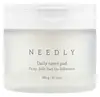
This smoothing toner pad uses a pre-saturated pad with Gluconolactone and Salicylic Acid to refine skin texture and refine the look of pores.
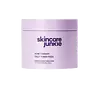
This pore-care toner pad uses a pre-saturated pad with Aloe Barbadensis Leaf Extract and Salicylic Acid to refine the look of pores and balance excess oil.


What's inside
What's inside
 Key Ingredients
Benefits
Concerns
Ingredients Side-by-side
Water
Skin ConditioningGlycerin
Humectant


Dipropylene Glycol
HumectantGlyceryl Glucoside
Humectant
1,2-Hexanediol
Skin Conditioning
Allantoin
Skin Conditioning

Ethylhexylglycerin
Skin ConditioningC12-14 Pareth-12
EmulsifyingBetaine
Humectant
Caprylyl Glycol
Emollient
Artemisia Princeps Leaf Water
MaskingButylene Glycol
Humectant
Centella Asiatica Extract
Cleansing

Melaleuca Alternifolia Leaf Extract
Perfuming
Carbomer
Emulsion StabilisingSodium Citrate
BufferingDisodium EDTA
ChelatingGluconolactone
Chelating




Salicylic Acid
Masking





Tromethamine
BufferingGlucose
Humectant
Aniba Rosodora Wood Oil
Astringent
Sodium Hyaluronate
Humectant
Water, Glycerin, Dipropylene Glycol, Glyceryl Glucoside, 1,2-Hexanediol, Allantoin, Ethylhexylglycerin, C12-14 Pareth-12, Betaine, Caprylyl Glycol, Artemisia Princeps Leaf Water, Butylene Glycol, Centella Asiatica Extract, Melaleuca Alternifolia Leaf Extract, Carbomer, Sodium Citrate, Disodium EDTA, Gluconolactone, Salicylic Acid, Tromethamine, Glucose, Aniba Rosodora Wood Oil, Sodium Hyaluronate
Water
Skin ConditioningPentylene Glycol
Skin Conditioning
1,2-Hexanediol
Skin Conditioning
Aloe Barbadensis Leaf Extract
Emollient
Ananas Sativus Fruit Extract
Skin ConditioningCitrus Aurantium Dulcis Fruit Extract
MaskingCitrus Grandis Fruit Extract
Astringent
Salicylic Acid
Masking
Sodium Hyaluronate
Humectant
Gluconolactone
Chelating
Urea
Buffering
Magnesium Aspartate
Skin ConditioningZinc Gluconate
Skin Conditioning
Copper Gluconate
Skin Conditioning
Glycerin
Humectant
Sodium PCA
Humectant
Zinc PCA
Humectant
Trehalose
Humectant
Sodium Hydroxide
BufferingAlcohol Denat.
Antimicrobial
Hydroxyacetophenone
Antioxidant
Water, Pentylene Glycol, 1,2-Hexanediol, Aloe Barbadensis Leaf Extract, Ananas Sativus Fruit Extract, Citrus Aurantium Dulcis Fruit Extract, Citrus Grandis Fruit Extract, Salicylic Acid, Sodium Hyaluronate, Gluconolactone, Urea, Magnesium Aspartate, Zinc Gluconate, Copper Gluconate, Glycerin, Sodium PCA, Zinc PCA, Trehalose, Sodium Hydroxide, Alcohol Denat., Hydroxyacetophenone
Reviews
Ingredients Explained
These ingredients are found in both products.
Ingredients higher up in an ingredient list are typically present in a larger amount.
1,2-Hexanediol is a synthetic liquid and another multi-functional powerhouse.
It is a:
- Humectant, drawing moisture into the skin
- Emollient, helping to soften skin
- Solvent, dispersing and stabilizing formulas
- Preservative booster, enhancing the antimicrobial activity of other preservatives
Gluconolactone is a PHA. PHAs are a great gentle alternative to traditional AHAs.
When applied, Gluconolactone has the same affect on skin as AHAs such as lactic acid. It helps dissolve the dead skin cells in the top layer of your skin. This improves texture and brightens the skin.
PHAs are more gentle than AHAs due to their larger structure. They do not penetrate as deeply as AHAs and take a longer time to dissolve dead cells. Studies show PHAs do not cause as much irritation.
Gluconolactone has some interesting properties:
In a 2004 study, Gluconolactone was found to prevent UV damage in mouse skin cells and has not been found to increase sun sensitivity. However, we still recommend wearing SPF daily.
This ingredient is is an created by reacting gluconic acid with an alcohol.
Learn more about GluconolactoneGlycerin (or glycerol) is a compound naturally found in your skin. It's a powerhouse humectant that pulls water into the stratum corneum.
Topically, glycerin does several things at once:
Your skin makes glycerin on its own (mostly from sebaceous oil breakdown) and shuttles it to your outermost layer of skin, or your epidermis, via aquaporin-3.
Aquaporin-3 is a transporter that is essential for normal skin hydration, elasticity, and repair. Interestingly, mice lacking in AQP3 have dry and less elastic skin that can be fully corrected with glycerin.
This ingredient is non-irritating, plays well with almost every ingredient, and works across all skin types. Typical use is anywhere between 3-10% but can go up to 79% in some leave-on products.
Just know very high concentrations (>40%) can feel tacky in low humidity.
Glycerin is the name for this ingredient in American English. British English uses Glycerol/Glycerine.
Learn more about GlycerinSalicylic Acid (also known as beta hydroxy acid or BHA) is a well-known ingredient for treating skin that struggles with acne and clogged pores. It exfoliates both the skin's surface and deep within the pores to help clear out buildup, control oil, and reduce inflammation.
Unlike AHAs (alpha hydroxy acids), salicylic acid is oil-soluble. This allows it to penetrate into pores which makes it especially effective for treating blackheads and preventing future breakouts.
Salicylic acid is also known for its soothing properties. It has a similar structure to aspirin and can calm inflamed or irritated skin, making it a good option for acne-prone skin that is also sensitive.
Concentrations of 0.5-2% are recognized by the U.S. FDA as an over-the-counter topical acne product.
It can cause irritation and/or dryness if one's skin already has a compromised moisture barrier, so it's best to focus on repairing that before introducing this ingredient into your routine.
While salicylic acid does not increase sun sensitivity, it’s still important to wear sunscreen daily to protect your skin.
If you are looking for the ingredient called BHA or Butylated Hydroxyanisole, click here.
Learn more about Salicylic AcidSodium Hyaluronate is the salt form of hyaluronic acid. It is a long sugar chain that is naturally found in your skin, joints, and connective tissue that maintains hydration and elasticity.
In skincare, it works as a humectant. It pulls water from the environment and deeper layers of skin and binds it to the surface.
Interestingly, the size of the molecule affects its behavior:
Some clinical evidence links low molecular weight versions to improved wrinkle depth, elasticity, anti-inflammatory effects, and barrier repair.
Many serums use a blend of both weights so you can get surface hydration plus longer-lasting and deeper effects.
You'll typically see concentrations between 0.1-2% for this ingredient.
Learn more about Sodium HyaluronateWater. It's the most common cosmetic ingredient of all. You'll usually see it at the top of ingredient lists, meaning that it makes up the largest part of the product.
So why is it so popular? Water most often acts as a solvent - this means that it helps dissolve other ingredients into the formulation.
You'll also recognize water as that liquid we all need to stay alive. If you see this, drink a glass of water. Remember to stay hydrated!
Learn more about Water

