
What's inside
What's inside
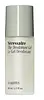 Key Ingredients
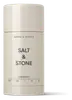
Benefits
Concerns
Ingredients Side-by-side
Water
Skin ConditioningMandelic Acid
Antimicrobial










Potassium Hydroxide
BufferingHydroxypropyl Methylcellulose
Emulsion StabilisingHamamelis Virginiana Water
Astringent

Gluconolactone
Chelating
Lactic Acid
Buffering
Panthenol
Skin Conditioning



Niacinamide
Smoothing
Glycerin
Humectant
Chamomilla Recutita Flower Extract
Masking
Sodium Benzoate
Masking
Calcium Gluconate
HumectantSodium Phytate
ChelatingEucalyptus Globulus Leaf Oil
Perfuming



Lavandula Angustifolia Oil
Masking
Abies Sibirica Oil
Masking
Zingiber Officinale Root Oil
Masking
Citrus Aurantium Dulcis Peel Oil
Masking
Pogostemon Cablin Leaf Oil
Masking
Benzoic Acid
Masking
Citric Acid
Buffering
Limonene
Perfuming
Terpineol
Masking
Pinene
Masking
Linalool
Perfuming
Linalyl Acetate
Masking
Beta-Caryophyllene
Masking
Water, Mandelic Acid, Potassium Hydroxide, Hydroxypropyl Methylcellulose, Hamamelis Virginiana Water, Gluconolactone, Lactic Acid, Panthenol, Niacinamide, Glycerin, Chamomilla Recutita Flower Extract, Sodium Benzoate, Calcium Gluconate, Sodium Phytate, Eucalyptus Globulus Leaf Oil, Lavandula Angustifolia Oil, Abies Sibirica Oil, Zingiber Officinale Root Oil, Citrus Aurantium Dulcis Peel Oil, Pogostemon Cablin Leaf Oil, Benzoic Acid, Citric Acid, Limonene, Terpineol, Pinene, Linalool, Linalyl Acetate, Beta-Caryophyllene
Caprylic/Capric Triglyceride
Masking
Tapioca Starch
Ozokerite
Emulsion StabilisingMagnesium Hydroxide
AbsorbentSodium Bicarbonate
Abrasive
Cocos Nucifera Oil
Masking


Parfum
Masking
Butyrospermum Parkii Butter
Skin Conditioning
Niacinamide
Smoothing
Helianthus Annuus Seed Oil
Emollient
Tocopherol
Antioxidant

Spirulina Platensis Extract
Skin ProtectingLactobacillus Ferment
Skin Conditioning
Maltodextrin
Absorbent
Benzyl Benzoate
Antimicrobial
Geraniol
Perfuming
Limonene
Perfuming
Caprylic/Capric Triglyceride, Tapioca Starch, Ozokerite, Magnesium Hydroxide, Sodium Bicarbonate, Cocos Nucifera Oil, Parfum, Butyrospermum Parkii Butter, Niacinamide, Helianthus Annuus Seed Oil, Tocopherol, Spirulina Platensis Extract, Lactobacillus Ferment, Maltodextrin, Benzyl Benzoate, Geraniol, Limonene
Reviews
Ingredients Explained
These ingredients are found in both products.
Ingredients higher up in an ingredient list are typically present in a larger amount.
Limonene is the compound that gives citrus peel its smell.
In skincare, it shows up as a standalone fragrance ingredient or as a natural compound of citrus and other essential oils.
You'll typically see this ingredient used in very small amounts; anything above 0.001% in a leave-on product or 0.01% in a rinse-off has to be named on the label in the EU. The citrus oils that carry it sit around 0.5-1% in a finished formula.
Fresh limonene is a weak allergen; the real issue is that it slowly reacts with air and then breaks down from oxidation to create hydroperoxides (which are strong sensitizers). This is why suppliers are required to keep the peroxide value below 20 mmol.
Positive reactions in people being investigated for eczema vary:
It's worth skipping if you have a known fragrance allergy or a compromised barrier, but the risk is low for most people.
Older or long-opened products are also more likely to bother you than fresh ones due to oxidation.
Learn more about LimoneneNiacinamide is a multitasking form of vitamin B3 that strengthens the skin barrier, reduces pores and dark spots, regulates oil, and improves signs of aging.
And the best part? It's gentle and well-tolerated by most skin types, including sensitive and reactive skin.
You might have heard of "niacin flush", or the reddening of skin that causes itchiness. Niacinamide has not been found to cause this.
In very rare cases, some individuals may not be able to tolerate niacinamide at all or experience an allergic reaction to it.
If you are experiencing flaking, irritation, and dryness with this ingredient, be sure to double check all your products as this ingredient can be found in all categories of skincare.
When incorporating niacinamide into your routine, look out for concentration amounts. Typically, 5% niacinamide provides benefits such as fading dark spots. However, if you have sensitive skin, it is better to begin with a smaller concentration.
When you apply niacinamide to your skin, your body converts it into nicotinamide adenine dinucleotide (NAD). NAD is an essential coenzyme that is already found in your cells as "fuel" and powers countless biological processes.
In your skin, NAD helps repair cell damage, produce new healthy cells, support collagen production, strengthen the skin barrier, and fight environmental stressors (like UV and pollution).
Our natural NAD levels start to decline with age, leading to slower skin repair, visible aging, and a weaker skin barrier. By providing your skin niacinamide, you're recharging your skin's NAD levels. This leads to stronger, healthier, and younger looking skin.
Another name for vitamin B3 is nicotinamide. This vitamin is water-soluble and our bodies don't store it. We obtain Vitamin B3 from either food or skincare. Meat, fish, wheat, yeast, and leafy greens contain vitamin B3.
The type of niacinamide used in skincare is synthetically created.
Learn more about Niacinamide

