

What's inside
What's inside
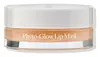 Key Ingredients
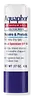
Benefits
Concerns
Ingredients Side-by-side
Diisostearyl Malate
EmollientHydrogenated Poly(C6-14 Olefin)
EmollientPolybutene
Phytosteryl/Isostearyl/Cetyl/Stearyl/Behenyl Dimer Dilinoleate
Skin Conditioning
Cera Microcristallina
Emulsion StabilisingButyrospermum Parkii Butter
Skin Conditioning



Synthetic Wax
Abrasive
Aroma

Ethylene/Propylene/Styrene Copolymer
Persea Gratissima Oil
Skin Conditioning
Copernicia Cerifera Cera
Emollient
Simmondsia Chinensis Seed Oil
Emollient
Theobroma Grandiflorum Seed Butter
Skin Conditioning
Siraitia Grosvenorii Fruit Extract
Skin ConditioningRicinus Communis Seed Oil
Masking
Aleurites Moluccanus Seed Oil
Skin Conditioning
Stearyl Glycyrrhetinate
Skin ConditioningTocopheryl Acetate
Antioxidant


Diethylhexyl Syringylidenemalonate
Skin ProtectingButylene/Ethylene/Styrene Copolymer
Caprylic/Capric Triglyceride
Masking
Pentaerythrityl Tetra-Di-T-Butyl Hydroxyhydrocinnamate
Antioxidant
Isopropyl Titanium Triisostearate
Emollient
Citric Acid
Buffering

CI 77491
Cosmetic ColorantCI 77492
Cosmetic ColorantCI 77499
Cosmetic ColorantDiisostearyl Malate, Hydrogenated Poly(C6-14 Olefin), Polybutene, Phytosteryl/Isostearyl/Cetyl/Stearyl/Behenyl Dimer Dilinoleate, Cera Microcristallina, Butyrospermum Parkii Butter, Synthetic Wax, Aroma, Ethylene/Propylene/Styrene Copolymer, Persea Gratissima Oil, Copernicia Cerifera Cera, Simmondsia Chinensis Seed Oil, Theobroma Grandiflorum Seed Butter, Siraitia Grosvenorii Fruit Extract, Ricinus Communis Seed Oil, Aleurites Moluccanus Seed Oil, Stearyl Glycyrrhetinate, Tocopheryl Acetate, Diethylhexyl Syringylidenemalonate, Butylene/Ethylene/Styrene Copolymer, Caprylic/Capric Triglyceride, Pentaerythrityl Tetra-Di-T-Butyl Hydroxyhydrocinnamate, Isopropyl Titanium Triisostearate, Citric Acid, CI 77491, CI 77492, CI 77499
Butyl Methoxydibenzoylmethane 3%
UV Absorber
Homosalate 9%
Skin Conditioning
Ethylhexyl Salicylate 4.5%
UV Absorber
Octocrylene 9%
UV Absorber

Octyldodecanol
Emollient
Ricinus Communis Seed Oil
Masking
Beeswax
Emulsion Stabilising
Bis-Diglyceryl Polyacyladipate-2
Emollient
Butyrospermum Parkii Butter
Skin Conditioning
Hydrogenated Castor Oil
Emollient
Helianthus Annuus Seed Wax
Skin Conditioning
Cetearyl Alcohol
Emollient
Dimethicone
Emollient
Simmondsia Chinensis Seed Oil
Emollient
Copernicia Cerifera Wax
Tocopheryl Acetate
Antioxidant
Ascorbyl Palmitate
Antioxidant
Helianthus Annuus Seed Oil
Emollient
Tocopherol
Antioxidant


Butyl Methoxydibenzoylmethane 3%, Homosalate 9%, Ethylhexyl Salicylate 4.5%, Octocrylene 9%, Octyldodecanol, Ricinus Communis Seed Oil, Beeswax, Bis-Diglyceryl Polyacyladipate-2, Butyrospermum Parkii Butter, Hydrogenated Castor Oil, Helianthus Annuus Seed Wax, Cetearyl Alcohol, Dimethicone, Simmondsia Chinensis Seed Oil, Copernicia Cerifera Wax, Tocopheryl Acetate, Ascorbyl Palmitate, Helianthus Annuus Seed Oil, Tocopherol
Reviews
Ingredients Explained
These ingredients are found in both products.
Ingredients higher up in an ingredient list are typically present in a larger amount.
This ingredient is also known as shea butter. It is a plant-derived extract from the nuts of the Africa shea tree and one of the most well-studied emollients.
Because it has a high concentration of fatty acids (primarily oleic, stearic, and linoleic) it is able to form a protective barrier on the skin's surface. This helps seal in moisture and prevents transepidermal water loss (TEWL).
In vitro research found an increase in skin hydration by 58% and a decrease in TEWL by 37.8% after 24 hours of applying this ingredient (pretty impressive for a single ingredient!).
Besides hydration, shea butter also contains triterpenes that have anti-inflammatory potential. In particule, lupeol cinnamate has shown the highest anti-inflammatory activity in vivo.
Shea butter also contains vitamins A and E which may contribute to antioxidant activity.
While Shea Butter has an SPF rating of about 3-4, it is not a sunscreen replacement.
This ingredient may not be fungal acne safe because its fatty acids fall within the C11-C24 range that the Malassezia yeast can metabolize.
Learn more about Butyrospermum Parkii ButterRicinus Communis Seed Oil is the INCI name for castor oil.
Castor Oil helps moisturize the skin. It is rich in a fatty acid called ricinoleic acid. This fatty acid helps prevent moisture loss on the skin. This helps keep your skin soft and hydrated. Ricinoleic acid also has anti-inflammatory and pain reducing properties.
Besides hydrating the skin, castor oil is also used to hydrate hair. By keeping the hair shaft moisturized, breakage is decreased. More studies are needed to show castor oil's effective on stimulating hair growth.
Castor oil is created by cold-pressing castor seeds and then purifying the oil with heat. It was used in Ancient Egypt as fuel in lamps and to help treat eye irritation.
The term 'fragrance' is not regulated in many countries. In many cases, it is up to the brand to define this term. For instance, many brands choose to label themselves as "fragrance-free" because they are not using synthetic fragrances. However, their products may still contain ingredients such as essential oils that are considered a fragrance.
Learn more about Ricinus Communis Seed OilJojoba oil is one of the most well-studied plant-derived ingredients in cosmetics. It is an emollient with a special structure.
Because it is made up of 97-98% wax esters, it closely mirrors the linear monoesters found in human sebum. This makes it skin compatible, non-greasy, and lightweight.
Unlike other plant oils, jojoba wax doesn't easily penetrate skin. It mostly works in the uppermost layers as an emollient. This just means it forms a light barrier on the skin to help retain moisture.
Formulations with jojoba esters up to 90% reduced transepidermal water loss (TEWL) and increased barrier recovery by 81% (outperforming bisabolol at 47%).
Besides barrier support, the science also suggests jojoba to have anti-inflammatory effects and potential applications for skin infections, aging, and wound healing.
Fun fact: Indigenous cultures have used jojoba as a moisturizer and to help treat burns for centuries.
Due to its fatty acid content, Jojoba oil may not be fungal acne safe.
Learn more about Simmondsia Chinensis Seed OilTocopheryl Acetate is AKA Vitamin E. It is an antioxidant and protects your skin from free radicals. Free radicals damage the skin by breaking down collagen.
One study found using Tocopheryl Acetate with Vitamin C decreased the number of sunburned cells.
Tocopheryl Acetate is commonly found in both skincare and dietary supplements.
Learn more about Tocopheryl Acetate
