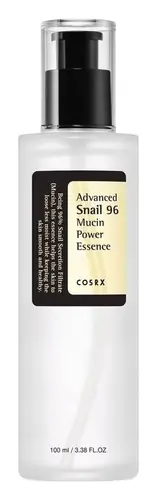
This calming toner is formulated around Dipotassium Glycyrrhizate to calm redness.
This brightening moisturizer is formulated around Tranexamic Acid and Magnesium Ascorbyl Phosphate to fade the look of dark spots and brighten dull-looking skin.

What's inside
What's inside
 Key Ingredients
No key ingredients
Benefits
Concerns
Ingredients Side-by-side




Tranexamic Acid
Astringent




Hydrolyzed Hyaluronic Acid
Humectant



Sodium Acetylated Hyaluronate
Humectant
Magnesium Ascorbyl Phosphate
Antioxidant



Tocopherol
Antioxidant

Coix Lacryma-Jobi Ma-Yuen Seed Extract
Skin ConditioningButylene Glycol
Humectant
Dipropylene Glycol
HumectantHydrogenated Polydecene
EmollientPentylene Glycol
Skin Conditioning
Glycerin
Humectant
Diglycerin
Humectant
Limnanthes Alba Seed Oil
Skin Conditioning


Sorbitan Stearate
Emulsifying
Polysorbate 80
Emulsifying
Carbomer
Emulsion StabilisingDisodium EDTA
ChelatingHydroxyethylcellulose
Emulsion StabilisingGlyceryl Caprylate/Caprate
EmollientXanthan Gum
EmulsifyingBehenyl Alcohol
Emollient
Phenoxyethanol
Preservative
Tranexamic Acid, Hydrolyzed Hyaluronic Acid, Sodium Acetylated Hyaluronate, Magnesium Ascorbyl Phosphate, Tocopherol, Coix Lacryma-Jobi Ma-Yuen Seed Extract, Butylene Glycol, Dipropylene Glycol, Hydrogenated Polydecene, Pentylene Glycol, Glycerin, Diglycerin, Limnanthes Alba Seed Oil, Sorbitan Stearate, Polysorbate 80, Carbomer, Disodium EDTA, Hydroxyethylcellulose, Glyceryl Caprylate/Caprate, Xanthan Gum, Behenyl Alcohol, Phenoxyethanol
Reviews
Ingredients Explained
These ingredients are found in both products.
Ingredients higher up in an ingredient list are typically present in a larger amount.
Butylene Glycol (or BG) is used within cosmetic products for a few different reasons:
Overall, Butylene Glycol is a safe and well-rounded ingredient that works well with other ingredients.
Though this ingredient works well with most skin types, some people with sensitive skin may experience a reaction such as allergic rashes, closed comedones, or itchiness.
Learn more about Butylene GlycolYou might know this plant as Job's Tears or Chinese pearl barley. It is a grain native to Southeast Asia.
This ingredient has skin conditioning properties. Emerging studies show the grain to exhibit antioxidant and anti-inflammation properties as well. (With one study finding this ingredient to be effective at blocking melanin when skin is exposed to UV).
Job's tears is rich in nutrients, such as thiamine, riboflavin, niacin and ascorbic acid.
You can also find great antioxidants such as ferulic acid, caffeic acid.
To top if off, ceramides are also present in this grain.
Learn more about Coix Lacryma-Jobi Ma-Yuen Seed ExtractDipropylene Glycol is a synthetically created humectant, stabilizer, and solvent.
This ingredient helps:
Dipropylene glycol is technically an alcohol, but it belongs to the glycol family (often considered part of the ‘good’ alcohols). This means it is hydrating and gentle on skin unlike drying solvent alcohols like denatured alcohol.
As a masking agent, Dipropylene Glycol can be used to cover the smell of other ingredients. However, it does not have a scent.
Studies show Dipropylene Glycol is considered safe to use in skincare.
Learn more about Dipropylene GlycolGlycerin (or glycerol) is a compound naturally found in your skin. It's a powerhouse humectant that pulls water into the stratum corneum.
Topically, glycerin does several things at once:
Your skin makes glycerin on its own (mostly from sebaceous oil breakdown) and shuttles it to your outermost layer of skin, or your epidermis, via aquaporin-3.
Aquaporin-3 is a transporter that is essential for normal skin hydration, elasticity, and repair. Interestingly, mice lacking in AQP3 have dry and less elastic skin that can be fully corrected with glycerin.
This ingredient is non-irritating, plays well with almost every ingredient, and works across all skin types. Typical use is anywhere between 3-10% but can go up to 79% in some leave-on products.
Just know very high concentrations (>40%) can feel tacky in low humidity.
Glycerin is the name for this ingredient in American English. British English uses Glycerol/Glycerine.
Learn more about Glycerin