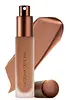
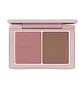
Natasha Denona Hy-Sculpt Liquid Bronzer Versus Westman Atelier Baby Cheeks + Face Trace Sculpting Powder Duo


What's inside
What's inside
 Key Ingredients
Benefits
Concerns
Ingredients Side-by-side
Water
Skin ConditioningHydrogenated Polyisobutene
EmollientIsododecane
EmollientGlycerin
Humectant


Butylene Glycol
Humectant
Polyglyceryl-3 Polydimethylsiloxyethyl Dimethicone
Skin Conditioning
Titanium Dioxide
Cosmetic Colorant

CI 77891
Cosmetic ColorantSilica
Abrasive


Synthetic Fluorphlogopite
Iron Oxides
CI 77492
Cosmetic ColorantHydrogenated Styrene/Isoprene Copolymer
CI 77491
Cosmetic ColorantCI 77163
Cosmetic Colorant

Alumina
Abrasive
Sodium Chloride
MaskingCI 77499
Cosmetic Colorant1,2-Hexanediol
Skin Conditioning
Caprylyl Glycol
Emollient
Dimethicone/Vinyl Dimethicone Crosspolymer
Skin Conditioning
Hydroxyacetophenone
Antioxidant
Polyphenylsilsesquioxane
Triethoxycaprylylsilane
Caprylic/Capric Triglyceride
Masking
Sodium Hyaluronate
Humectant


Tocopheryl Acetate
Antioxidant

Aluminum Hydroxide
EmollientHydrogen Dimethicone
Parfum
Masking



Benzyl Salicylate
Perfuming
Pentaerythrityl Tetra-Di-T-Butyl Hydroxyhydrocinnamate
Antioxidant
Tocopherol
Antioxidant
Tetramethyl Acetyloctahydronaphthalenes
Masking
Citrus Limon Peel Oil
Masking


Coumarin
Perfuming
Limonene
Perfuming
Jasminum Sambac Leaf Cell Extract
Masking
Linalyl Acetate
Masking
Vitis Vinifera Fruit Extract
Skin ConditioningCamellia Sinensis Leaf Extract
Antimicrobial
Citrus Aurantium Bergamia Peel Oil
Perfuming
Pinene
Masking
Vanillin
Masking
Citronellol
Perfuming
Geraniol
Perfuming
Juniperus Virginiana Oil
Masking
Amyl Salicylate
Perfuming
Dimethyl Phenylethyl Carbinyl Acetate
Perfuming
Pogostemon Cablin Leaf Oil
Masking
Linalool
Perfuming
Citral
Perfuming
Isoeugenyl Acetate
Perfuming
Beta-Caryophyllene
Masking
Geranyl Acetate
Perfuming
Mentha Viridis Leaf Oil
Astringent
Jasmine Oil/Extract
Carvone
Masking
Benzyl Benzoate
Antimicrobial
3-Methyl-5-(2,2,3-Trimethyl-3-Cyclopentenyl)Pent-4-En-2-Ol
Perfuming
Terpineol
Masking
Terpinolene
Perfuming
Alpha-Isomethyl Ionone
Perfuming
Alpha-Terpinene
Perfuming
Benzyl Alcohol
Perfuming

Anise Alcohol
Perfuming
Benzaldehyde
Masking
Citrus Aurantium Peel Oil
Eugenol
Perfuming
Menthol
Masking
Water, Hydrogenated Polyisobutene, Isododecane, Glycerin, Butylene Glycol, Polyglyceryl-3 Polydimethylsiloxyethyl Dimethicone, Titanium Dioxide, CI 77891, Silica, Synthetic Fluorphlogopite, Iron Oxides, CI 77492, Hydrogenated Styrene/Isoprene Copolymer, CI 77491, CI 77163, Alumina, Sodium Chloride, CI 77499, 1,2-Hexanediol, Caprylyl Glycol, Dimethicone/Vinyl Dimethicone Crosspolymer, Hydroxyacetophenone, Polyphenylsilsesquioxane, Triethoxycaprylylsilane, Caprylic/Capric Triglyceride, Sodium Hyaluronate, Tocopheryl Acetate, Aluminum Hydroxide, Hydrogen Dimethicone, Parfum, Benzyl Salicylate, Pentaerythrityl Tetra-Di-T-Butyl Hydroxyhydrocinnamate, Tocopherol, Tetramethyl Acetyloctahydronaphthalenes, Citrus Limon Peel Oil, Coumarin, Limonene, Jasminum Sambac Leaf Cell Extract, Linalyl Acetate, Vitis Vinifera Fruit Extract, Camellia Sinensis Leaf Extract, Citrus Aurantium Bergamia Peel Oil, Pinene, Vanillin, Citronellol, Geraniol, Juniperus Virginiana Oil, Amyl Salicylate, Dimethyl Phenylethyl Carbinyl Acetate, Pogostemon Cablin Leaf Oil, Linalool, Citral, Isoeugenyl Acetate, Beta-Caryophyllene, Geranyl Acetate, Mentha Viridis Leaf Oil, Jasmine Oil/Extract, Carvone, Benzyl Benzoate, 3-Methyl-5-(2,2,3-Trimethyl-3-Cyclopentenyl)Pent-4-En-2-Ol, Terpineol, Terpinolene, Alpha-Isomethyl Ionone, Alpha-Terpinene, Benzyl Alcohol, Anise Alcohol, Benzaldehyde, Citrus Aurantium Peel Oil, Eugenol, Menthol
Mica
Cosmetic ColorantSqualane
Emollient
Zinc Stearate
Cosmetic ColorantPerlite
Absorbent
Caprylic/Capric Triglyceride
Masking
Punica Granatum Pericarp Extract
Skin ConditioningRosa Hybrid Flower Extract
Skin ConditioningKaolin
Abrasive
Aluminum Hydroxide
EmollientPotassium Sorbate
Preservative
Chlorphenesin
Antimicrobial
CI 77491
Cosmetic ColorantCI 77492
Cosmetic ColorantCI 77499
Cosmetic ColorantCI 77163
Cosmetic Colorant
CI 77891
Cosmetic ColorantCI 15850
Cosmetic ColorantCI 77007
Cosmetic ColorantIngredients Explained
These ingredients are found in both products.
Ingredients higher up in an ingredient list are typically present in a larger amount.
Aluminum Hydroxide is a form of aluminum. It can be naturally found in nature as the mineral gibbsite. In cosmetics, Aluminum Hydroxide is used as a colorant, pH adjuster, and absorbent.
As a colorant, Aluminum Hydroxide may add opacity, or reduce the transparency. Aluminum hydroxide is contains both basic and acidic properties.
According to manufacturers, this ingredient is an emollient and humectant. This means it helps hydrate the skin.
In medicine, this ingredient is used to help relieve heartburn and help heal ulcers.
There is currently no credible scientific evidence linking aluminum hydroxide in cosmetics to increased cancer risk.
Major health organizations allow the use of aluminum hydroxide in personal care products and have not flagged it as a carcinogenic risk at typical usage levels.
Learn more about Aluminum HydroxideCaprylic/Capric Triglyceride (aka MCT Oil) is a lightweight emollient, solvent, and texture enhancer. It is considered a skin-softener by helping to prevent moisture loss.
Though it behaves like an oil, it is not technically one due to its chemical composition. One perk of this ingredient is that it is very stable, resistant to oxidation, and unlikely to go rancid.
In practice, that translates to a long shelf life and a consistently elegant skin feel.
While there is an assumption Caprylic Triglyceride can clog pores due to it being derived from coconut oil, there is no research supporting this. Just patch test if you have concerns.
Fractionated coconut oil and MCT Oil are both listed as Caprylic/Capric Triglyceride according to INCI. This is because INCI names are based on the ingredient’s final chemical composition and not its marketing name or source.
This ingredient is treated as the gold standard fungal acne safe oil. Even though it is coconut derived, the problematic lauric acid is stripped out.
This leaves just caprylic (C8) and capric (C10) acid. These chain lengths actually trend antifungal; a 2020 study found caprylic acid was enough to disrupt Malassezia furfur cell membrane, with a caprylic acid derivative damaging membrane structures at concentrations as low as 0.2%.
Learn more about Caprylic/Capric TriglycerideCI 77163 is the color-index name for Bismuth Oxychloride, a lab-made white powder that acts as a pearl pigment.
It's what gives a lot of pressed powders, eyeshadows, highlighteres, and mineral foundations that soft pearly glow.
Due to its structure as flat, plate-like crystals that stack like tiles, it feels silky and sticks to skin well. This also makes it very chemically stable and insoluble under normal skin conditions (this just means it sits on top of skin rather than going into it).
It has an interesting quirk: it slowly goes gray in sunlight and the graying is partly reversible in the dark.
At this time, there's no legal cap on how much a brand can use. Both the FDA and the EU permit it without restriction so real-world concentration levels come down to formulation:
Allergy risk is low as well since it's insoluble and doesn't release free metal ions into skin. True allergic contact dermatitis to it is rare enough that there's very little published cases.
However, mineral makeup users do report itching or stinging. The leading explanation for this is irritation from those stiff platelet crystals rubbing on skin (also more likely with heavy, high-percentage loose mineral powders) rather than an immune reaction.
This ingredient shows up on a lot of "pore-clogging" lists but there's no real evidence behind that. It doesn't even have a comedogenic rating from an actual study; the numbers you'll find online come from blogs citing other blogs.
Some people still find it breaks them out. So if that's you, definitely trust your skin.
Learn more about CI 77163Ci 77491 is also hydrated iron III oxide. It's sole purpose is to give a red/pink hue to products.
Iron III oxides are classified as inorganic chemicals for coloring.
Synthetically created Ci 77491 is considered safer than those naturally found. This is because the synthetically created version may contain less impurities. Iron oxides are generally non-toxic and non-allergenic.
Learn more about CI 77491CI 77492 is also hydrated iron III oxide. It's sole purpose is to give a yellow hue to products.
Iron III oxides are classified as inorganic chemicals for coloring.
Synthetically created CI 77492 is considered safer than those naturally found. This is because the synthetically created version may contain less impurities. Iron oxides are generally non-toxic and non-allergenic.
Learn more about CI 77492Ci 77499 is also hydrated iron III oxide. It is created from mixing red and black iron oxides. This helps give shades of darkness to a product.
Iron III oxides are classified as inorganic chemicals for coloring.
Ci 77891 is a white pigment from Titanium dioxide. It is naturally found in minerals such as rutile and ilmenite.
It's main function is to add a white color to cosmetics. It can also be mixed with other colors to create different shades.
Ci 77891 is commonly found in sunscreens due to its ability to block UV rays.
Learn more about CI 77891

