
What's inside
What's inside
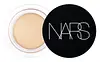 Key Ingredients
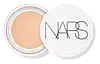
Benefits
Concerns
Ingredients Side-by-side
Dimethicone
Emollient

Water
Skin ConditioningGlycerin
Humectant

Nylon-12


Butylene Glycol
Humectant
Paraffin
Skin Conditioning
Dimethicone/Vinyl Dimethicone Crosspolymer
Skin Conditioning
Dicaprylyl Carbonate
EmollientPEG-10 Dimethicone
Skin Conditioning
Sorbitan Sesquiisostearate
Emulsifying

PEG-400
Emulsion StabilisingSilica
Abrasive

Aluminum Hydroxide
EmollientPolysilicone-2
Cera Microcristallina
Emulsion StabilisingCI 77120
Cosmetic ColorantDistearyldimonium Chloride
Palmitic Acid
Emollient


Hydrogen Dimethicone
Palmitoyl Tripeptide-5
Skin Conditioning


Tocopheryl Acetate
Antioxidant


Ascorbic Acid
Antioxidant

Retinyl Palmitate
Skin Conditioning
Alumina
Abrasive
Sodium Acetylated Hyaluronate
Humectant
Tocopherol
Antioxidant
Phenoxyethanol
Preservative
CI 77163
Cosmetic Colorant
Iron Oxides
Mica
Cosmetic ColorantCI 77891
Cosmetic ColorantDimethicone, Water, Glycerin, Nylon-12, Butylene Glycol, Paraffin, Dimethicone/Vinyl Dimethicone Crosspolymer, Dicaprylyl Carbonate, PEG-10 Dimethicone, Sorbitan Sesquiisostearate, PEG-400, Silica, Aluminum Hydroxide, Polysilicone-2, Cera Microcristallina, CI 77120, Distearyldimonium Chloride, Palmitic Acid, Hydrogen Dimethicone, Palmitoyl Tripeptide-5, Tocopheryl Acetate, Ascorbic Acid, Retinyl Palmitate, Alumina, Sodium Acetylated Hyaluronate, Tocopherol, Phenoxyethanol, CI 77163, Iron Oxides, Mica, CI 77891
Polyglyceryl-2 Triisostearate
Emulsifying
Octyldodecanol
Emollient
Kaolin
Abrasive
Polybutene
Mica
Cosmetic ColorantPolyethylene
Abrasive
Caprylic/Capric Triglyceride
Masking
Bidens Pilosa Extract
HumectantIsopropyl Titanium Triisostearate
Emollient
Stearalkonium Hectorite
Gel FormingPropylene Carbonate
SolventAstrocaryum Murumuru Seed Butter
Emollient
Gossypium Herbaceum Seed Oil
Skin Conditioning
Linum Usitatissimum Seed Oil
Perfuming
Tocopherol
Antioxidant
Trihydroxystearin
Skin Conditioning
Ethylhexyl Palmitate
Emollient
Silica Dimethyl Silylate
EmollientButylene Glycol
Humectant
Sodium Hyaluronate
Humectant
Caprylyl Glycol
Emollient
Hexylene Glycol
EmulsifyingTocopheryl Acetate
Antioxidant
Lecithin
Emollient
Phenoxyethanol
Preservative
CI 77163
Cosmetic Colorant
Iron Oxides
CI 77891
Cosmetic ColorantPolyglyceryl-2 Triisostearate, Octyldodecanol, Kaolin, Polybutene, Mica, Polyethylene, Caprylic/Capric Triglyceride, Bidens Pilosa Extract, Isopropyl Titanium Triisostearate, Stearalkonium Hectorite, Propylene Carbonate, Astrocaryum Murumuru Seed Butter, Gossypium Herbaceum Seed Oil, Linum Usitatissimum Seed Oil, Tocopherol, Trihydroxystearin, Ethylhexyl Palmitate, Silica Dimethyl Silylate, Butylene Glycol, Sodium Hyaluronate, Caprylyl Glycol, Hexylene Glycol, Tocopheryl Acetate, Lecithin, Phenoxyethanol, CI 77163, Iron Oxides, CI 77891
Reviews
Ingredients Explained
These ingredients are found in both products.
Ingredients higher up in an ingredient list are typically present in a larger amount.
Butylene Glycol (or BG) is used within cosmetic products for a few different reasons:
Overall, Butylene Glycol is a safe and well-rounded ingredient that works well with other ingredients.
Though this ingredient works well with most skin types, some people with sensitive skin may experience a reaction such as allergic rashes, closed comedones, or itchiness.
Learn more about Butylene GlycolCI 77163 is the color-index name for Bismuth Oxychloride, a lab-made white powder that acts as a pearl pigment.
It's what gives a lot of pressed powders, eyeshadows, highlighteres, and mineral foundations that soft pearly glow.
Due to its structure as flat, plate-like crystals that stack like tiles, it feels silky and sticks to skin well. This also makes it very chemically stable and insoluble under normal skin conditions (this just means it sits on top of skin rather than going into it).
It has an interesting quirk: it slowly goes gray in sunlight and the graying is partly reversible in the dark.
At this time, there's no legal cap on how much a brand can use. Both the FDA and the EU permit it without restriction so real-world concentration levels come down to formulation:
Allergy risk is low as well since it's insoluble and doesn't release free metal ions into skin. True allergic contact dermatitis to it is rare enough that there's very little published cases.
However, mineral makeup users do report itching or stinging. The leading explanation for this is irritation from those stiff platelet crystals rubbing on skin (also more likely with heavy, high-percentage loose mineral powders) rather than an immune reaction.
This ingredient shows up on a lot of "pore-clogging" lists but there's no real evidence behind that. It doesn't even have a comedogenic rating from an actual study; the numbers you'll find online come from blogs citing other blogs.
Some people still find it breaks them out. So if that's you, definitely trust your skin.
Learn more about CI 77163Ci 77891 is a white pigment from Titanium dioxide. It is naturally found in minerals such as rutile and ilmenite.
It's main function is to add a white color to cosmetics. It can also be mixed with other colors to create different shades.
Ci 77891 is commonly found in sunscreens due to its ability to block UV rays.
Learn more about CI 77891Mica is a naturally occurring mineral used to add shimmer and color in cosmetics. It can also help improve the texture of a product or give it an opaque, white/silver color.
Serecite is the name for very fine but ragged grains of mica.
This ingredient is often coated with metal oxides like titanium dioxide. Trace amounts of heavy metals may be found in mica, but these metals are not harmful in our personal products.
Mica has been used since prehistoric times throughout the world. Ancient Egyptian, Indian, Greek, Roman, Aztec, and Chinese civilizations have used mica.
Learn more about MicaPhenoxyethanol is one of the most widely used preservatives in skincare (and for good reason!).
It has a large spectrum of antimicrobial activity and especially effective bacteria, yeast, and mold while only having a weak effect on your skin's natural microbiome.
On a cellular level, it disrupts the cell membranes of microbes by poking holes that make the cell leak. This shuts down the chemical reactions the microbe needs to make energy so it can no longer survive.
Another perk of this ingredient is that it stays functional across a wide pH range (3-10).
You'll often see it paired with boosters like Ethylhexylglycerin; one study showed that a 1:9 ratio of Ethylhexylglycerin to Phenoxyethanol damages bacterial membranes as effectively as doubling the Phenoxyethanol concentration on its own.
Typical use concentrations range from 0.3-1% depending on the formula, and this ingredient is capped at 1% int the EU.
Safety-wise, the fear mongering does not hold up to the evidence. The EU's Scientific Committee on Consumer Safety and FDA consider it safe as a preservative at up to 1%, including for children of all ages.
Adverse systemic effects only showed up in animal studies at exposures roughly 200x higher than what people get from cosmetics. And despite its very widespread use, this ingredient is a rare sensitizer and allergic reactions are uncommon.
Learn more about PhenoxyethanolTocopherol is a fat-soluble antioxidant known as Vitamin E.
You'll find this ingredient in the vast majority of skincare (for good reason). It works to neutralize free radicals, or unstable molecules generated by UV exposure, pollution, and other environmental stressors, before they can cause oxidative damage to your skin cells.
Topically applied tocopherol has been shown to protect against UV damage by ramping up the skin's own natural defense enzymes.
It also acts as a skin conditioning agent; some studies show that regular topical use can improve the skin's water-binding capacity over 2-4 weeks.
This ingredient is especially loved for being a team player. When combined with Vitamin C, the photoprotective effect of both ingredients roughly doubles and the combo also helps reduce UV-induced DNA damage.
This ingredient has some brightening potential but it's more of a prevention ingredient than spot-fader. Cell studies show it can slow down melanin production but it's worth noting that it's not the most powerful brightener out there.
In formulations, it also serves as a stabilizer that helps protect other oxidation-prone ingredients from degrading.
Concentrations usually range from 0.1-1% in most leave-on products.
Learn more about TocopherolTocopheryl Acetate is a stable, shelf-friendly form of vitamin E.
Formulators love it because plain vitamin E oxidizes quickly once it hits air. This acetate version stays stable and resists going off, helping to extend a product's shelf life.
It's actually inactive on its own and works like a slow-release "storage" form; the enzymes in your skin called esterases gradually convert it into active vitamin E over time.
One in vivo study showed 5% of the acetate in the living layer of the epidermis converted to vitamin E after 5 days of application. This study also found the skin gained protection against UV damage even though the conversion was slow and small.
Once converted, vitamin E acts as a skin's main fat-soluble antioxidant that fights free radicals to protect skin from damage.
Topical vitamin E generally boosts the skin's photoprotection, and it reduced UV-damage in animal models.
This ingredient has some brightening potential but it's more of a prevention ingredient than spot-fader. Cell studies show it can slow down melanin production but it's worth noting that it's not the most powerful brightener out there.
Overall, it has a pretty solid safety profile and has been found to be non-irritating and non-comedogenic. Allergic reactions may happen but stay rare due to how widely the ingredient gets used.
The concentration will vary depending on the formula; industry data shows 0.1% in baby lotions, 3% in lipsticks, and 5% in foot powders. You can also find this ingredient at 100% in a pure vitamin E oil.
Most leave-on skincare keeps it at the lower end, often between 0.5-1%.
Learn more about Tocopheryl AcetateThis ingredient is a combination of red, black, and yellow iron oxide pigments. This combination of colors is usually found in foundation, because it results in a "skin" color.
The EU typically uses CI numbers for colorants when applicable, such as CI 77489. In the US, iron oxides are regulated as color additives and "iron oxides" is the most commonly used name in US cosmetic practice.
A 2021 paper looked at skincare formulations containing iron oxides and found that they reduced transmission of blue light when measured optically. In simple terms, the pigment particles helped block or scatter part of the visible light spectrum in lab testing and the authors suggest this could translate into better protection against blue-light-related skin effects.
There is also clinical and experimental research showing that tinted products containing iron oxides can reduce visible light-induced pigmentation:
Please note, whether a product reduces visible or blue light depends on things like:
In the EU's CosIng database, iron oxides are only listed as a colorant. CosIng groups ingredients by their main cosmetic role, such as colorant, preservative, or UV filter.
Though studies say iron oxides can "attenuate blue light", they're describing an optical property and not an officially recognized cosmetic function.
So CosIng isn’t contradicting the research. It’s just classifying iron oxides by what they officially are: pigments that add color.
Learn more about Iron Oxides

